
Audrey Kelly
LMFTOklahoma · 21 yrs exp
Experienced therapist focused on practical, person-centered care
Stress, Anxiety · Relationship · Family · Self esteem · +8 more
Read profileTherapist listings are provided by BetterHelp. We will earn a commission at no additional cost to you if you use our links to purchase.
This page lets you compare therapist profiles that list Family as a focus and also indicate client-centred or person-centred approaches. Use listed location, languages, credentials and therapeutic style to narrow your search and browse profiles to learn more.
Oklahoma · 21 yrs exp
Experienced therapist focused on practical, person-centered care
Stress, Anxiety · Relationship · Family · Self esteem · +8 more
Read profile
Florida · 39 yrs exp
Compassionate counselor with decades of experience
Stress, Anxiety · Relationship · Family · Parenting · +14 more
Read profile
North Carolina · 51 yrs exp
Compassionate counselor for life and relationships
Relationship · Intimacy-related issues · Parenting · Self esteem · +12 more
Read profile
Illinois · 20 yrs exp
Compassionate clinical social worker guiding practical change
Stress, Anxiety · Relationship · Parenting · Self esteem · +7 more
Read profile
Ohio · 3 yrs exp
Helping people find practical steps forward
Addictions · Family · Anger · Depression · +6 more
Read profile
Maryland · 10 yrs exp
Therapist who focuses on practical support
Stress, Anxiety · Relationship · Family · Intimacy-related issues · +12 more
Read profile
California · 12 yrs exp
Warm client-centered therapy for life changes
Stress, Anxiety · Family · Parenting · Self esteem · +8 more
Read profile
New York · 35 yrs exp
Compassionate, experienced therapist focused on practical support
Stress, Anxiety · Self esteem · Career · ADHD · +10 more
Read profile
Michigan · 30 yrs exp
Experienced client-centered therapist
Trauma and abuse · Grief · Parenting · Anger · +9 more
Read profile
Michigan · 45 yrs exp
Experienced counselor focused on practical support
Stress, Anxiety · Addictions · Trauma and abuse · Grief · +10 more
Read profile
Wisconsin · 8 yrs exp
Person-centered counselor for relationship and life change
Relationship · Intimacy-related issues · Coping with life changes · Stress, Anxiety · +8 more
Read profile
Minnesota · 23 yrs exp
Compassionate therapy that centers your experience
Stress, Anxiety · Relationship · Trauma and abuse · Self esteem · +13 more
Read profile
Pennsylvania · 16 yrs exp
Compassionate counselor who centers your experience
Stress, Anxiety · Relationship · Family · Trauma and abuse · +11 more
Read profile
Virginia · 6 yrs exp
Practical, empathetic counseling for common life struggles
Stress, Anxiety · Trauma and abuse · Parenting · Depression · +4 more
Read profile
South Carolina · 10 yrs exp
Calm, client-led care with practical skills
Stress, Anxiety · Relationship · Family · Trauma and abuse · +1 more
Read profile
Louisiana · 22 yrs exp
Compassionate, practical support for daily struggles
Stress, Anxiety · Relationship · Family · Grief · +11 more
Read profile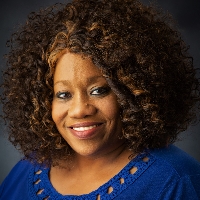
North Carolina · 15 yrs exp
Compassionate, client-centered care for complex emotions
Stress, Anxiety · Trauma and abuse · Grief · Self esteem · +11 more
Read profile
Wisconsin · 23 yrs exp
Client-centered counselor with practical focus
Stress, Anxiety · Trauma and abuse · Eating · Bipolar · +13 more
Read profile
North Carolina · 18 yrs exp
Experienced counselor who listens first
Stress, Anxiety · Addictions · Trauma and abuse · Anger · +13 more
Read profile
Illinois · 28 yrs exp
Compassionate, client-centered counseling for life changes
Stress, Anxiety · Relationship · Grief · Self esteem · +8 more
Read profile
Louisiana · 10 yrs exp
Person-centered care for life's difficult transitions
Stress, Anxiety · Grief · Anger · Depression · +8 more
Read profile
Virginia · 23 yrs exp
Compassionate counselor focused on client strengths
Stress, Anxiety · Trauma and abuse · Self esteem · Depression · +9 more
Read profile
Kentucky · 11 yrs exp
Direct compassionate client-centered therapy
Stress, Anxiety · Relationship · Family · Self esteem · +9 more
Read profile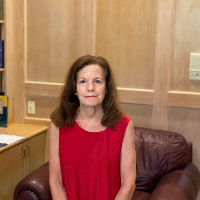
Massachusetts · 25 yrs exp
Therapist focused on listening and practical steps
Stress, Anxiety · Relationship · Family · Self esteem · +14 more
Read profileClient-centered (US) or person-centred (UK and Australia) therapy traces back to the work of Carl Rogers. In plain terms, it means the therapist or counsellor follows what matters to you rather than steering the conversation toward a set agenda. The practitioner listens closely, reflects what they hear and places emphasis on your perspective, pacing and priorities. Sessions are shaped around your concerns, and you are invited to lead where the work goes. That does not promise specific results, but it does mean you should expect an orientation that values empathy, non-directive listening and a focus on your experience.
When family is the listed focus, a person-centred orientation may be used to create space for different voices and perspectives within a household. What that looks like from one profile to another can vary widely. Some profiles emphasise relational dynamics and shared decision-making, while others describe more individual-focused listening that then informs family conversations. Read profile descriptions to get a sense of how a practitioner describes their way of working and what they emphasise in sessions.
This directory groups professionals by the topics and approaches they list, so this Family page brings together profiles that include Family as a focus and that also list client-centred or person-centred practice among their approaches. A listed topic does not on its own establish that a practitioner treats children, couples or families, nor does it demonstrate a particular clinical credential. Profiles show the listed location and the details supplied by each professional; you can use those notes to form questions and clarify scope directly with the practitioner.
The directory includes professionals across the US, UK and Australia. That means professional permission to practise is described differently depending on where someone works. In the US people commonly hold professional licences; in the UK and Australia practitioners may be registered with regulatory bodies or be members of recognised professional organisations. A degree such as a PhD, PsyD, MD, MA or MSW is an academic credential and does not by itself show current permission to practise. Check profiles for how each practitioner describes their credentials and, when you contact them, ask about the local requirements that apply in their listed location.
When you look at profiles, you will want to translate what you read into direct questions. Ask how a practitioner adapts a client-centered or person-centred stance to work with families - for example, whether they invite individual sessions alongside joint meetings, how they balance different family members' priorities, and how they handle situations where people disagree about goals. You can ask which family constellations they typically work with and whether they have experience with issues similar to yours, describing what you mean by those issues rather than relying on diagnostic language.
Other useful questions concern practical and professional boundaries. Ask whether the practitioner holds a current licence, registration or professional membership in the jurisdiction shown in their listed location and what that status allows them to do. Clarify the difference between degrees and authorisation to practise by asking whether a specific degree is accompanied by current permission to deliver care. If a profile mentions particular therapeutic approaches, you might say, "I see you list X among your approaches - how do you blend that with a person-centred stance?" That keeps the focus on how they work rather than assuming a particular credential or training pathway.
If you plan to connect remotely, there are practical matters worth discussing before beginning. Confirm whether the practitioner is permitted to offer services to people in your area given professional rules that can vary by jurisdiction. Talk about how your information and communications are managed, who can access records if that is relevant, and how the practitioner handles emergency or crisis planning given the limits of remote contact. Clarify time zones when the listed location differs from where you live and make sure you understand how consent and boundaries are handled in the context of family work that may involve multiple people in separate places.
It is also helpful to describe the family context you want to address and ask how the practitioner typically prepares for sessions that include more than one person. Some profiles will note languages spoken and particular cultural experience; if these matters matter to you, ask how they influence the way sessions are run. You should also ask about session structure and what you can expect in the first few meetings so you can decide whether the described style feels like a good fit for your needs.
Comparing profiles becomes easier when you use consistent questions as you read. Look for explicit mentions of Family as a focus and note whether a profile specifies work with children, adolescents, couples or extended family. If that detail is not present, plan to ask the practitioner directly about who they usually work with. Pay attention to listed languages and cultural notes so you can identify practitioners who can communicate in your preferred language or who describe relevant cultural understanding.
Examine how each profile describes professional standing. Distinguish degrees from permission to practise by checking whether the practitioner lists a licence, registration or professional membership in their listed location. Ask what that status means in practice so you understand whether the practitioner can legally provide care where you are. Finally, read the language used to describe therapeutic style - words like "listening," "reflective," "collaborative" or "goal-focused" signal different emphases. If a profile mentions other approaches, remember to treat those as options to discuss rather than guaranteed features of every session. By bringing concrete questions to conversations prompted by profiles you can better match the way a practitioner works with what you and your family want to address.
Use the profile grid above to open individual listings and note the details that matter most to you. Ask clear questions about how a person-centred or client-centered approach is applied in family work, about credentials and permission to practise in the listed location, and about practical arrangements for remote contact if relevant. That will give you the information you need to decide which profiles to follow up on and to begin a conversation with a practitioner whose way of working matches your needs.
Alabama
48 therapists
Alaska
2 therapists
Arizona
25 therapists
Arkansas
23 therapists
Australia
58 therapists
California
275 therapists
Colorado
72 therapists
Connecticut
20 therapists
Delaware
5 therapists
District of Columbia
5 therapists
Florida
228 therapists
Georgia
65 therapists
Hawaii
8 therapists
Idaho
19 therapists
Illinois
114 therapists
Indiana
40 therapists
Iowa
15 therapists
Kansas
21 therapists
Kentucky
29 therapists
Louisiana
56 therapists
Maine
18 therapists
Maryland
49 therapists
Massachusetts
45 therapists
Michigan
98 therapists
Minnesota
35 therapists
Mississippi
33 therapists
Missouri
82 therapists
Montana
16 therapists
Nebraska
9 therapists
Nevada
11 therapists
New Hampshire
12 therapists
New Jersey
74 therapists
New Mexico
15 therapists
New York
139 therapists
North Carolina
71 therapists
North Dakota
4 therapists
Ohio
58 therapists
Oklahoma
49 therapists
Oregon
21 therapists
Pennsylvania
99 therapists
Rhode Island
1 therapist
South Carolina
43 therapists
South Dakota
5 therapists
Tennessee
38 therapists
Texas
339 therapists
United Kingdom
1272 therapists
Utah
19 therapists
Vermont
8 therapists
Virginia
57 therapists
Washington
47 therapists
West Virginia
3 therapists
Wisconsin
37 therapists
Wyoming
15 therapists