
Doris Faughnan
LCMHCNew Hampshire · 17 yrs exp
Compassionate, practical support for change
Stress, Anxiety · Addictions · Relationship · Trauma and abuse · +8 more
Read profileTherapist listings are provided by BetterHelp. We will earn a commission at no additional cost to you if you use our links to purchase.
Browse profiles of professionals who list client-centered approaches in the New Hampshire listed location. Compare focus areas, languages, credentials and therapeutic style to help you decide who to learn more about.
Check each individual profile and confirm that the practitioner has permission to work with you where you live before making contact.
New Hampshire · 17 yrs exp
Compassionate, practical support for change
Stress, Anxiety · Addictions · Relationship · Trauma and abuse · +8 more
Read profile
New Hampshire · 13 yrs exp
Compassionate counselor focused on growth
Stress, Anxiety · Trauma and abuse · Anger · Coping with life changes · +10 more
Read profile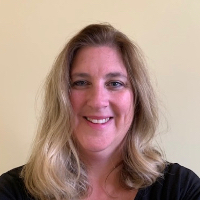
New Hampshire · 24 yrs exp
Compassionate client-centered counseling for real life
Stress, Anxiety · Relationship · Family · Parenting · +7 more
Read profile
New Hampshire · 25 yrs exp
Compassionate, experienced listener and guide
Stress, Anxiety · Parenting · Self esteem · Career · +16 more
Read profile
New Hampshire · 30 yrs exp
Experienced counselor who listens first
Addictions · Career · Coping with life changes · Compassion fatigue · +5 more
Read profile
New Hampshire · 9 yrs exp
A steady, practical LICSW for life transitions
Family · Grief · Self esteem · Depression · +11 more
Read profile
New Hampshire · 6 yrs exp
Experienced client-focused social worker
Family · Trauma and abuse · Parenting · Self esteem · +6 more
Read profile
New Hampshire · 9 yrs exp
Compassionate, client-centered counseling for stress
Stress, Anxiety · Trauma and abuse · Parenting · Anger · +1 more
Read profile
New Hampshire · 16 yrs exp
Compassionate, client-centered counseling for change
Stress, Anxiety · Trauma and abuse · Self esteem · Coping with life changes · +1 more
Read profile
New Hampshire · 10 yrs exp
Supportive LCSW helping people find steady footing
Grief · Parenting · Self esteem · Career · +1 more
Read profile
New Hampshire · 17 yrs exp
Calm, practical support for stress and trauma
Stress, Anxiety · Relationship · Coping with life changes · Compassion fatigue · +6 more
Read profile
New Hampshire · 5 yrs exp
Compassionate counselor for life transitions
Stress, Anxiety · Relationship · Family · Grief · +1 more
Read profileClient-centered, or person-centred, therapy puts what matters to you at the centre of the conversation. Originating with Carl Rogers, this approach describes a way of being with someone that emphasises listening, empathy and respect for your own pace and priorities. In a session you may find the therapist follows your lead rather than directing the discussion, offering reflections and questions that help you explore your thoughts and feelings. That does not mean the therapist will be passive; rather, they aim to create an environment where your perspective is carefully heard and where you can test out new ways of understanding yourself.
Sessions can feel curious and open-ended. You might notice more opportunity to talk about immediate concerns, or you may be invited to reflect on relationships and values that matter to you. While some people describe the experience as calming because it is non-judgemental, others find it challenging when difficult topics come up. The directory lists professionals who include client-centered approaches among their methods, but that listing is not evidence of special certification or a guarantee of particular outcomes. Use profiles to learn how practitioners describe their way of working and to prepare questions that fit your needs.
This page groups profiles under the listed location New Hampshire. That grouping does not prove a practitioner has an office there, is physically nearby, or has permission to practise in that state. Profiles may represent professionals based in different countries or offering online services. You should check each profile carefully and confirm that the practitioner is allowed to work with you where you live.
Pay attention to how credentials are presented. Academic degrees such as PhD, PsyD, MD, MA and MSW describe completed education but do not by themselves establish current legal permission to practise. In the United States, professional permission typically comes through state licensing boards and is described as licensing or licensure. In the United Kingdom and Australia you will often see references to registration or membership with a professional body. A profile may list a degree, a membership, and other qualifications side by side. You can ask the practitioner how their education, registration or licensing relates to the services they offer and which jurisdictions they are authorised to work in.
Knowing what to ask will help you compare profiles more confidently. You can ask how a practitioner explains client-centered or person-centred work in their own words and how they combine that stance with other approaches they list. It is reasonable to inquire about the kinds of difficulties they commonly work with and what experience they have with issues similar to yours. You may also want to ask how they adapt their style for cultural differences, for different age groups, or for a particular identity you bring to therapy.
Ask for examples of how a typical session begins and what you might expect over a few meetings, without expecting promises about results. If a profile names approaches such as solution-focused, psychodynamic, or trauma-informed work, you can ask whether those are used alongside client-centered listening and how they influence the therapist’s questions and reflections. Concrete questions help you compare tone and fit: how would they describe a time when a person made a change through sessions, what sort of feedback do they invite from people they see, and how do they typically respond when someone is very distressed in a session?
If you are considering online sessions, clarify practical and safety-related details ahead of time. You can ask what platform they use and what to expect if a connection fails mid-session. Discuss how the practitioner handles privacy of your personal information and what steps they take to keep notes and records. It is sensible to agree a plan for emergencies - ask what they recommend if you are in immediate crisis and whether they have contacts or procedures for the location where you are at the time of the session.
Because rules differ by country and state, ask whether the practitioner has permission to provide services to people in your jurisdiction. If they work across borders, they should be able to explain whether their registration or licensure allows them to engage with you from their location and what limits might apply. You can also check whether they have preferences about the environment you join from, for example advising that you attend from a quiet room where you can speak freely, and whether they will keep records of sessions and for how long.
When comparing profiles, look beyond titles and scan the language practitioners use to describe their focus areas and the people they work with. Notice whether they mention specific themes that match your priorities - grief, stress related to work, identity questions, or long-term emotional patterns - and how they frame that work. Some practitioners emphasise relationship and listening, while others link person-centred values with techniques from other approaches. Reading these descriptions gives you a sense of whether the practitioner’s style would fit your way of communicating.
Language and cultural awareness can be important. Check whether a practitioner lists languages they use in sessions and how they describe cultural competence or experience with particular communities. Look at credentials with attention to jurisdictional context; a PhD or MSW describes academic training, whereas licensing in the United States or registration in the United Kingdom and Australia speaks to the practitioner’s permission to practise in those places. If a profile lists therapeutic approaches, remember that this only indicates what the practitioner reports using - it is appropriate to ask how they integrate those approaches with client-centered values.
Finally, consider tone and personal style. Profiles that feel warm and reflective may indicate a more exploratory, listening-focused approach, while profiles that emphasise structure and goals may suggest a practical or skills-based pairing with client-centered attitudes. Use the questions suggested above to follow up directly with the practitioner when you are ready to learn more, and always confirm that they have the legal authority to work with you in your location before you start sessions.
Addictions
1413 therapists
ADHD
1428 therapists
Anger
2116 therapists
Chronic Illness
508 therapists
Control Issues
1265 therapists
Depression
3386 therapists
Grief
2770 therapists
Guilt and Shame
2295 therapists
Isolation / Loneliness
2081 therapists
Midlife Crisis
1136 therapists
Mood Disorders
1268 therapists
Panic Disorder and Panic Attacks
1309 therapists
Post-Traumatic Stress
1564 therapists
Postpartum Depression
559 therapists
Self Esteem
3336 therapists
Sleeping Disorders
702 therapists
Social Anxiety and Phobia
1934 therapists
Stress & Anxiety
3751 therapists
Trauma and Abuse
2785 therapists
Abandonment
1284 therapists
Aging and Geriatric Issues
564 therapists
Attachment Issues
1579 therapists
Blended Family Issues
787 therapists
Body Image
932 therapists
Career
1856 therapists
Caregiver Issues and Stress
1328 therapists
Codependency
951 therapists
Communication Problems
2457 therapists
Compassion Fatigue
1482 therapists
Coping with Life Changes
3136 therapists
Divorce
1545 therapists
Family
2592 therapists
Family of Origin Issues
786 therapists
Forgiveness
1933 therapists
Hospice and End-of-Life Counseling
425 therapists
Life Purpose
2317 therapists
Money and Financial Issues
515 therapists
Parenting
2048 therapists
Pregnancy
536 therapists
Relationship
3131 therapists
Self-Love
2448 therapists
Workplace Issues
1503 therapists