
Audrey Kelly
LMFTOklahoma · 21 yrs exp
Experienced therapist focused on practical, person-centered care
Stress, Anxiety · Relationship · Family · Self esteem · +8 more
Read profileTherapist listings are provided by BetterHelp. We will earn a commission at no additional cost to you if you use our links to purchase.
Compare profiles by listed location, focus areas, approaches, languages and professional credentials to learn who might be a good fit for relationship concerns. Browse profiles of therapists who list client-centred approaches and read their descriptions to decide who you might contact.
Oklahoma · 21 yrs exp
Experienced therapist focused on practical, person-centered care
Stress, Anxiety · Relationship · Family · Self esteem · +8 more
Read profile
Florida · 39 yrs exp
Compassionate counselor with decades of experience
Stress, Anxiety · Relationship · Family · Parenting · +14 more
Read profile
North Carolina · 51 yrs exp
Compassionate counselor for life and relationships
Relationship · Intimacy-related issues · Parenting · Self esteem · +12 more
Read profile
Illinois · 20 yrs exp
Compassionate clinical social worker guiding practical change
Stress, Anxiety · Relationship · Parenting · Self esteem · +7 more
Read profile
Florida · 30 yrs exp
Warm client-centered therapist with practical tools
Stress, Anxiety · LGBT · Self esteem · Coping with life changes · +2 more
Read profile
Ohio · 3 yrs exp
Helping people find practical steps forward
Addictions · Family · Anger · Depression · +6 more
Read profile
Maryland · 10 yrs exp
Therapist who focuses on practical support
Stress, Anxiety · Relationship · Family · Intimacy-related issues · +12 more
Read profile
California · 12 yrs exp
Warm client-centered therapy for life changes
Stress, Anxiety · Family · Parenting · Self esteem · +8 more
Read profile
New York · 35 yrs exp
Compassionate, experienced therapist focused on practical support
Stress, Anxiety · Self esteem · Career · ADHD · +10 more
Read profile
Michigan · 45 yrs exp
Experienced counselor focused on practical support
Stress, Anxiety · Addictions · Trauma and abuse · Grief · +10 more
Read profile
Wisconsin · 8 yrs exp
Person-centered counselor for relationship and life change
Relationship · Intimacy-related issues · Coping with life changes · Stress, Anxiety · +8 more
Read profile
Minnesota · 23 yrs exp
Compassionate therapy that centers your experience
Stress, Anxiety · Relationship · Trauma and abuse · Self esteem · +13 more
Read profile
Pennsylvania · 16 yrs exp
Compassionate counselor who centers your experience
Stress, Anxiety · Relationship · Family · Trauma and abuse · +11 more
Read profile
Virginia · 6 yrs exp
Practical, empathetic counseling for common life struggles
Stress, Anxiety · Trauma and abuse · Parenting · Depression · +4 more
Read profile
South Carolina · 10 yrs exp
Calm, client-led care with practical skills
Stress, Anxiety · Relationship · Family · Trauma and abuse · +1 more
Read profile
Louisiana · 22 yrs exp
Compassionate, practical support for daily struggles
Stress, Anxiety · Relationship · Family · Grief · +11 more
Read profile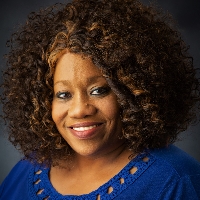
North Carolina · 15 yrs exp
Compassionate, client-centered care for complex emotions
Stress, Anxiety · Trauma and abuse · Grief · Self esteem · +11 more
Read profile
Wisconsin · 23 yrs exp
Client-centered counselor with practical focus
Stress, Anxiety · Trauma and abuse · Eating · Bipolar · +13 more
Read profile
North Carolina · 18 yrs exp
Experienced counselor who listens first
Stress, Anxiety · Addictions · Trauma and abuse · Anger · +13 more
Read profile
Illinois · 28 yrs exp
Compassionate, client-centered counseling for life changes
Stress, Anxiety · Relationship · Grief · Self esteem · +8 more
Read profile
Louisiana · 10 yrs exp
Person-centered care for life's difficult transitions
Stress, Anxiety · Grief · Anger · Depression · +8 more
Read profile
Virginia · 23 yrs exp
Compassionate counselor focused on client strengths
Stress, Anxiety · Trauma and abuse · Self esteem · Depression · +9 more
Read profile
Kentucky · 11 yrs exp
Direct compassionate client-centered therapy
Stress, Anxiety · Relationship · Family · Self esteem · +9 more
Read profile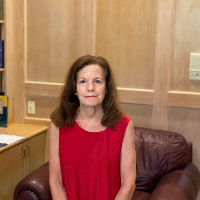
Massachusetts · 25 yrs exp
Therapist focused on listening and practical steps
Stress, Anxiety · Relationship · Family · Self esteem · +14 more
Read profileWhen you search for help with relationship matters you may be thinking about romantic partnerships, friendships, family dynamics or the aftermath of separation. You might want different things from therapy - clearer communication, help managing intense emotions, making decisions about a relationship, or understanding repeating patterns. The term relationship can cover many scenarios and does not automatically mean the therapist works with couples or families. A listed topic on a profile is a starting point for a conversation with a practitioner about what they actually offer.
Person-centred therapy, often described using the phrase client-centred in some regions, was first outlined by Carl Rogers. Plainly put, it means the practitioner follows what matters to you, listens closely and avoids directing you toward a predetermined plan. In practice that often feels like a space where your concerns set the agenda, the clinician reflects your experience and they invite you to explore what you value and want to change. Some people find that approach helpful when they want to lead the pace and direction of work. It is one of several approaches you might encounter; therapists on this directory list the approaches they use and you can ask them how person-centred work is woven into their sessions.
This directory groups profiles of professionals who list client-centred or person-centred approaches along with specialties such as relationship work. That grouping does not establish specialist certification, training in a particular method, or a guarantee that every profile represents the same scope of practice. Instead it helps you compare how different practitioners describe their relationship focus alongside the person-centred stance.
Some professionals describe relationship work in broadly exploratory terms, emphasising listening and reflection alongside discussion of communication and boundaries. Others combine person-centred language with references to additional approaches they list among their methods. If you want a therapist who frames sessions around your priorities, the person-centred element may be prominent in their description. If you prefer more directive or skills-focused work, you can look for profiles that explicitly mention those emphases alongside person-centred language. The profiles are a place to see how each practitioner explains their approach and the populations they mention, and you can use that information to form specific questions before you make contact.
When you look at profiles, prepare a short set of questions that matter to you so you can compare answers across practitioners. You might ask how the therapist describes their approach in everyday terms and what client-centred practice looks like in their sessions. A useful question is whether they typically work with individuals, couples or families, and how they decide what kind of work is needed. If you have a particular issue - such as infidelity, co-parenting after separation or repeated patterns of communication - ask about the clinician’s experience addressing those topics and how they partner with the person who seeks help.
Check how credentials are represented on a profile and ask for clarification. Academic degrees such as PhD, PsyD, MD, MA and MSW indicate training but do not by themselves establish current permission to practise in any jurisdiction. In the United States many practitioners operate under state licensure or credentialing; in the United Kingdom and Australia professionals may hold registration or membership with national bodies. You can ask which registrations or licences apply to the practitioner in their listed location and whether they hold membership in any professional associations. Also ask about languages they use in sessions and the populations they commonly work with so you know whether their described experience aligns with your needs.
If you are considering remote sessions, it is sensible to discuss practical arrangements before you begin. Ask how the therapist handles the technical side and what platform they use, and whether any specific preparations are recommended on your end. Confirm the time zone and listed location that apply to the profile you are viewing, since regulations and registration can vary by place. It is appropriate to ask whether the practitioner holds the necessary permission to provide care where you are located and what that means for their practice.
You should also raise questions about boundaries and emergency planning. Ask how the clinician suggests you proceed if an urgent situation arises between sessions and what local resources they would recommend in your area. If you will be taking part from home, consider whether you can supported a private space to speak where you will not be interrupted. Clarify typical session length, cancellation policies and how sessions are recorded or stored if that is relevant to you. These are practical topics to sort out early so you know how the working relationship might function.
When you compare profiles, pay attention to the way each practitioner writes about relationship work and the specific language they use to describe their style. Some profiles emphasise reflective, person-led exploration and make the client-centred stance explicit. Others mention certain techniques or population groups they work with, while some highlight experience with communication patterns, grief, or transitions. Read how they talk about goals and the kinds of issues they accept, and note whether they refer to individuals, couples or families - a listed specialty does not itself tell you the full scope of their practice.
Languages spoken and cultural considerations are important practical filters. If working in your preferred language matters to you, look for that detail on the profile and ask follow-up questions about cultural background or experience with similar situations. Compare academic qualifications and professional registrations, bearing in mind that a degree is not the same as current permission to practise. Look for descriptions of therapeutic style - whether the therapist frames their role as mainly listening and reflecting, offering structured interventions, or combining approaches - and consider which style matches how you prefer to work.
Finally, use profiles to form a shortlist and reach out with a concise set of questions that reflect your priorities. You might ask how they describe the first few sessions, how they involve you in setting goals, and what practical steps they suggest between meetings. Gathering this information will help you decide who to contact for an initial conversation and whether the way they describe their work aligns with what you want from relationship-focused support.
Profiles on this site are designed to help you compare listed locations, declared focus areas, approaches, languages and credentials so you can find practitioners whose descriptions match your needs. Use the profile details as a starting point for a direct conversation about scope of practice, registrations that apply to the listed location and the kinds of relationship concerns you want to address. That conversation will give you the clearest picture of whether a particular practitioner is a good match for your priorities.
Alabama
48 therapists
Alaska
2 therapists
Arizona
25 therapists
Arkansas
23 therapists
Australia
58 therapists
California
275 therapists
Colorado
72 therapists
Connecticut
20 therapists
Delaware
5 therapists
District of Columbia
5 therapists
Florida
228 therapists
Georgia
65 therapists
Hawaii
8 therapists
Idaho
19 therapists
Illinois
114 therapists
Indiana
40 therapists
Iowa
15 therapists
Kansas
21 therapists
Kentucky
29 therapists
Louisiana
56 therapists
Maine
18 therapists
Maryland
49 therapists
Massachusetts
45 therapists
Michigan
98 therapists
Minnesota
35 therapists
Mississippi
33 therapists
Missouri
82 therapists
Montana
16 therapists
Nebraska
9 therapists
Nevada
11 therapists
New Hampshire
12 therapists
New Jersey
74 therapists
New Mexico
15 therapists
New York
139 therapists
North Carolina
71 therapists
North Dakota
4 therapists
Ohio
58 therapists
Oklahoma
49 therapists
Oregon
21 therapists
Pennsylvania
99 therapists
Rhode Island
1 therapist
South Carolina
43 therapists
South Dakota
5 therapists
Tennessee
38 therapists
Texas
339 therapists
United Kingdom
1272 therapists
Utah
19 therapists
Vermont
8 therapists
Virginia
57 therapists
Washington
47 therapists
West Virginia
3 therapists
Wisconsin
37 therapists
Wyoming
15 therapists