
Susan Hargett
LPCTexas · 11 yrs exp
Warm counselor helping people rebuild balance
Stress, Anxiety · Bipolar · Depression · Self esteem · +2 more
Read profileTherapist listings are provided by BetterHelp. We will earn a commission at no additional cost to you if you use our links to purchase.
This page groups profiles of professionals who list Life Purpose alongside client-centred approaches. Visitors can compare listed location, clinical focus areas, credentials, languages and described therapeutic style.
Use the listings below to learn about different practitioners and browse profiles to find a match for the kind of support you are seeking.
Texas · 11 yrs exp
Warm counselor helping people rebuild balance
Stress, Anxiety · Bipolar · Depression · Self esteem · +2 more
Read profile
Ohio · 3 yrs exp
Helping people find practical steps forward
Addictions · Family · Anger · Depression · +6 more
Read profile
Michigan · 45 yrs exp
Experienced counselor focused on practical support
Stress, Anxiety · Addictions · Trauma and abuse · Grief · +10 more
Read profile
Wisconsin · 8 yrs exp
Person-centered counselor for relationship and life change
Relationship · Intimacy-related issues · Coping with life changes · Stress, Anxiety · +8 more
Read profile
South Carolina · 10 yrs exp
Calm, client-led care with practical skills
Stress, Anxiety · Relationship · Family · Trauma and abuse · +1 more
Read profile
North Carolina · 15 yrs exp
Compassionate, client-centered care for complex emotions
Stress, Anxiety · Trauma and abuse · Grief · Self esteem · +11 more
Read profile
Florida · 13 yrs exp
Compassionate, practical counseling for real-life stressors
Stress, Anxiety · Self esteem · Career · Depression · +3 more
Read profile
Illinois · 28 yrs exp
Compassionate, client-centered counseling for life changes
Stress, Anxiety · Relationship · Grief · Self esteem · +8 more
Read profile
Kentucky · 11 yrs exp
Direct compassionate client-centered therapy
Stress, Anxiety · Relationship · Family · Self esteem · +9 more
Read profile
Pennsylvania · 9 yrs exp
Compassionate counselor for life transitions
Stress, Anxiety · Grief · Parenting · Self esteem · +11 more
Read profile
Florida · 10 yrs exp
Hopeful guidance with practical tools
Stress, Anxiety · Family · Parenting · Self esteem · +10 more
Read profile
Texas · 23 yrs exp
Therapist focused on practical, person-centered care
Stress, Anxiety · Relationship · Self esteem · Career · +11 more
Read profile
Tennessee · 35 yrs exp
Practical, relationship-focused therapy for everyday struggles
Stress, Anxiety · Grief · Self esteem · Depression · +8 more
Read profile
Texas · 13 yrs exp
Compassionate counselor focused on personal development
Stress, Anxiety · Trauma and abuse · Grief · Depression · +7 more
Read profile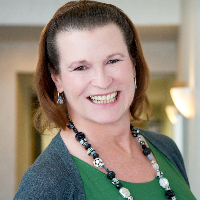
Colorado · 34 yrs exp
Experienced counselor for sexuality and relationships
Stress, Anxiety · LGBT · Relationship · Intimacy-related issues · +8 more
Read profile
Louisiana · 10 yrs exp
Calm, practical counseling for life challenges
Stress, Anxiety · Trauma and abuse · Anger · Self esteem · +12 more
Read profile
Texas · 30 yrs exp
Compassionate guidance for life transitions
Stress, Anxiety · Relationship · Grief · Self esteem · +8 more
Read profile
Michigan · 10 yrs exp
Compassionate counselor guiding practical change
Stress, Anxiety · Family · Trauma and abuse · Grief · +12 more
Read profile
Texas · 10 yrs exp
Collaborative, client-centered care for life changes
Stress, Anxiety · LGBT · Relationship · Grief · +12 more
Read profile
Oregon · 17 yrs exp
Careful, person-focused therapy for emotional healing
Stress, Anxiety · Trauma and abuse · Grief · Intimacy-related issues · +1 more
Read profile
Illinois · 25 yrs exp
Hopeful, practical counseling for everyday life
Stress, Anxiety · Grief · Parenting · Self esteem · +1 more
Read profile
North Carolina · 30 yrs exp
Experienced counselor focused on practical emotional work
Stress, Anxiety · Addictions · LGBT · Trauma and abuse · +1 more
Read profile
New Jersey · 10 yrs exp
Compassionate, practical counseling for life challenges
Stress, Anxiety · Relationship · Family · Parenting · +4 more
Read profile
Colorado · 13 yrs exp
Compassionate, practical therapy for adults
Stress, Anxiety · LGBT · Relationship · Trauma and abuse · +10 more
Read profileWhen you are thinking about life purpose you may be noticing questions about values, work, relationships, meaning or next steps after a big change. Some people arrive wanting clarity about a career move, others because a milestone - such as a graduation, retirement or relationship change - has prompted reflection. You might be wondering what really matters to you, how to align daily life with deeper priorities, or how to experiment with different directions without making hasty decisions. Those are common concerns that lead people to explore therapy as a place to think things through in a structured way.
Looking for help with life purpose does not mean you need a particular diagnosis or that therapy will solve everything. It can mean you want time and attention to explore choices, test assumptions and identify small, practical steps that reflect your values. On this site you can review profiles to see which practitioners mention focus areas that match your situation, such as career transitions, meaning and values, midlife change or identity exploration. The profiles also let you compare languages spoken and the ways people describe their therapeutic stance.
Client-centred (person-centred) therapy was first described by Carl Rogers and is built on the idea that the therapist follows what matters to the person, listens closely and does not direct them. In practice that means sessions often feel conversational and reflective rather than directive. A therapist who uses this approach will tend to mirror your concerns, encourage you to elaborate, and hold an empathic, non-judgemental stance while you make sense of your options and priorities.
In a session that emphasises client-centred ways of working you might notice them reflecting back what you say, naming emotions you describe, and leaving space for you to explore different possibilities. Some practitioners combine person-centred listening with other approaches they list on their profile; when you read a profile you can look for wording that describes a collaborative, exploratory tone. Keep in mind that a profile note that a practitioner lists a particular approach is not evidence of training or certification in that approach. It simply indicates something they say they draw on and that may be worth asking about.
When you are comparing profiles, think about clear, specific questions that will help you understand how a therapist works. You can ask how they describe their use of client-centred principles in sessions and what other approaches they draw on. It is useful to ask whether their experience includes the kinds of transitions or decisions you are facing and whether they have worked with people in similar phases of life. You may want to know whether the way they describe sessions feels more exploratory, directive, or skills-focused, because those words signal different styles even when the underlying goal is the same.
Another important area to clarify is professional standing. A degree such as a PhD, PsyD, MA or MSW indicates academic training, but it does not by itself demonstrate current permission to practise in a given jurisdiction. In the United States, ask about state licensure. In the United Kingdom and Australia, ask about registration or relevant professional memberships and whether those are current. Profiles list a listed location; if you will be receiving care across borders or time zones, confirm how the practitioner describes their registration or licensure relative to your place of residence. Finally, ask about the populations and settings they have worked with so you can judge whether their background aligns with your needs.
If you will be meeting online, there are practical topics to cover before your first session. Discuss the technology you will use - which platform, what happens if the connection drops, and whether there is an alternative contact method. Talk about how you will create a comfortable environment for sessions at your end and what privacy practices the practitioner follows for the session itself. You should also agree on how to handle emergencies or moments of intense distress, including where to access local help in your listed location and any crisis resources you might use.
Because regulations differ between countries and US states, clarify whether the practitioner is able to provide support to someone in your jurisdiction. Ask how they handle record-keeping, what kind of session notes they maintain, and how they approach boundaries around communication between sessions. These conversations help set clear expectations so you can focus on the work of exploring life purpose when you meet.
Comparing profiles is most useful when you look for concrete indicators that matter to you. Start by noting whether Life Purpose is listed explicitly as a focus area or an additional area of interest, and read how the practitioner describes that focus in their summary. See which related areas they include - for example values work, career transitions or identity exploration - because adjacent focuses change the angles they might take in conversation.
Languages spoken can be a practical priority, so check profiles for the words a practitioner uses to describe the languages in which they can work and whether they mention cultural competence or experience with particular communities. For credentials, distinguish degrees from permission to practise. A profile may list a PhD, PsyD, MD, MA or MSW and should also note any licensure, registration or professional body membership relevant to the listed location. If the profile uses terms like registrant, member of or licensed in a jurisdiction, ask for clarification about what that means where you live.
Style is often conveyed in tone and examples. Some practitioners describe their work as gently reflective and present-focused, others emphasise problem-solving or values-based action. Read a profile for language that resonates with you and consider reaching out with a short message that asks about their typical session flow for life purpose work. Remember that a profile cannot tell you everything; an initial conversation gives you the clearest sense of whether their approach and experience match what you need.
As you use the listings on this page, treat each profile as a starting point for a conversation. Profiles offer descriptions of focus areas, approaches and credentials, but the most relevant information usually emerges when you ask specific questions about how a practitioner works, how they relate to your listed location, and how they describe the work you want to do together.
Alabama
48 therapists
Alaska
2 therapists
Arizona
25 therapists
Arkansas
23 therapists
Australia
58 therapists
California
275 therapists
Colorado
72 therapists
Connecticut
20 therapists
Delaware
5 therapists
District of Columbia
5 therapists
Florida
228 therapists
Georgia
65 therapists
Hawaii
8 therapists
Idaho
19 therapists
Illinois
114 therapists
Indiana
40 therapists
Iowa
15 therapists
Kansas
21 therapists
Kentucky
29 therapists
Louisiana
56 therapists
Maine
18 therapists
Maryland
49 therapists
Massachusetts
45 therapists
Michigan
98 therapists
Minnesota
35 therapists
Mississippi
33 therapists
Missouri
82 therapists
Montana
16 therapists
Nebraska
9 therapists
Nevada
11 therapists
New Hampshire
12 therapists
New Jersey
74 therapists
New Mexico
15 therapists
New York
139 therapists
North Carolina
71 therapists
North Dakota
4 therapists
Ohio
58 therapists
Oklahoma
49 therapists
Oregon
21 therapists
Pennsylvania
99 therapists
Rhode Island
1 therapist
South Carolina
43 therapists
South Dakota
5 therapists
Tennessee
38 therapists
Texas
339 therapists
United Kingdom
1272 therapists
Utah
19 therapists
Vermont
8 therapists
Virginia
57 therapists
Washington
47 therapists
West Virginia
3 therapists
Wisconsin
37 therapists
Wyoming
15 therapists