
Shelby Martini
LPCIdaho · 7 yrs exp
Warm counselor focused on listening and coping
Stress, Anxiety · Trauma and abuse · Self esteem · Depression · +11 more
Read profileTherapist listings are provided by BetterHelp. We will earn a commission at no additional cost to you if you use our links to purchase.
Use this Idaho page to compare profiles of therapists who list client-centered or person-centred approaches and to learn what matters to you in therapy. Browse profiles below to review focus areas, languages, credentials and therapist style before opening a profile.
Check the individual profile and confirm permission to work together where you live.
Idaho · 7 yrs exp
Warm counselor focused on listening and coping
Stress, Anxiety · Trauma and abuse · Self esteem · Depression · +11 more
Read profile
Idaho · 30 yrs exp
Calm, practical support for life’s hard moments
Stress, Anxiety · Relationship · Family · Trauma and abuse · +1 more
Read profile
Idaho · 8 yrs exp
Guiding steady growth with practical care
Stress, Anxiety · Trauma and abuse · Parenting · Self esteem · +2 more
Read profile
Idaho · 17 yrs exp
Collaborative, strengths-based LCSW
Stress, Anxiety · Grief · Parenting · Depression · +8 more
Read profile
Idaho · 15 yrs exp
Direct, practical individual therapy with humor
Stress, Anxiety · Depression · ADHD · Grief · +5 more
Read profile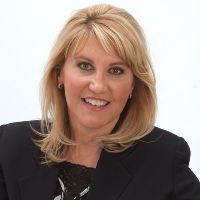
Idaho · 28 yrs exp
Calm, experienced counselor focused on practical change
Stress, Anxiety · Relationship · Depression · Coping with life changes · +8 more
Read profile
Idaho · 6 yrs exp
Calm, practical support for real-life problems
Stress, Anxiety · Addictions · Relationship · Depression · +9 more
Read profile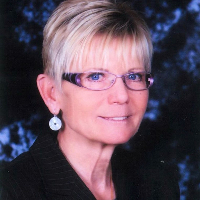
Idaho · 29 yrs exp
Compassionate counselor focused on practical progress
Stress, Anxiety · Relationship · Family · Grief · +10 more
Read profile
Idaho · 19 yrs exp
Warm practical counseling with steady support
Trauma and abuse · Grief · Self esteem · Bipolar · +8 more
Read profile
Idaho · 30 yrs exp
Therapist guiding people toward clearer purpose
Stress, Anxiety · Relationship · Grief · Career · +11 more
Read profile
Idaho · 10 yrs exp
Calm, practical support for emotional overwhelm
Stress, Anxiety · Trauma and abuse · Depression · Addictions · +11 more
Read profile
Idaho · 14 yrs exp
Compassionate client-centered counseling
Stress, Anxiety · Parenting · Anger · Self esteem · +11 more
Read profile
Idaho · 11 yrs exp
Compassionate, practical care for emotional challenges
Stress, Anxiety · Trauma and abuse · Grief · Self esteem · +2 more
Read profile
Idaho · 7 yrs exp
Warm, practical counseling for life changes
Stress, Anxiety · Addictions · Grief · Self esteem · +7 more
Read profile
Idaho · 3 yrs exp
Respectful, practical counseling focused on your strengths
Stress, Anxiety · Relationship · Anger · Depression · +1 more
Read profile
Idaho · 6 yrs exp
Listener and guide for women navigating trauma and stress
Stress, Anxiety · Relationship · Family · Trauma and abuse · +14 more
Read profile
Idaho · 19 yrs exp
Warm, steady support for everyday challenges
Stress, Anxiety · Trauma and abuse · Anger · Self esteem · +7 more
Read profile
Idaho · 10 yrs exp
Compassionate therapist focused on relationships and healing
Trauma and abuse · Parenting · Self esteem · Coping with life changes · +7 more
Read profile
Idaho · 13 yrs exp
Skilled, compassionate support for life changes
Stress, Anxiety · Family · Anger · Depression · +1 more
Read profileWhen you start looking at therapists in a listed location such as Idaho, it helps to begin by naming your priorities. Think about whether you most want someone who listens and follows your lead, or someone who offers more structured guidance. Person-centred therapy - also spelled client-centered in the United States and person-centred in the United Kingdom and Australia - emphasizes a therapist who follows what matters to you, listens closely and does not direct you. The approach was first described by Carl Rogers and often feels like reflective listening, warmth and a focus on your own pace and perspective.
You can describe concrete concerns to yourself before you browse profiles: the types of worries that bring you here, whether cultural identity or language matters, whether you prefer in-person sessions in a local area or are open to remote work, and what kinds of day-to-day barriers might affect attendance. These clarifications will help you compare profiles on the basis of focus instead of being swayed by unrelated details. Remember that no description on a profile guarantees that the approach will match your needs or replace medical care; it is a starting point for questions you should raise directly with a therapist.
A listed location in this directory groups profiles under Idaho so you can find practitioners associated with that place. That grouping does not by itself prove that a therapist keeps an office at that address or that they hold permission to practise in every part of the state. For professionals based in the United States, permission to practise is often described through state licensing. For professionals in the United Kingdom and Australia, you may see references to registration or professional membership. Academic degrees such as PhD, PsyD, MD, MA or MSW describe educational achievement but do not by themselves establish current permission to practise. A degree differs from an active licence, registration or membership that allows clinical work.
When you read a profile, look for the way credentials are presented and whether the therapist clarifies the jurisdictions they serve. Profiles may include degree titles and statements about registration or licensing, but those entries are not a substitute for verifying current permission to work with you. Check the individual profile and confirm permission to work together where you live. If you are unsure what a credential means in practice, ask the therapist to explain how their degree, registration or licence relates to the services they offer for someone in your location.
Use conversations with a prospective therapist to learn how they apply person-centred ideas in real sessions. You might ask how they describe a person-centred session, what they do when a client asks for more directive advice and how they balance empathy with practical problem solving. Ask for examples of how they have worked with issues similar to yours, remembering that a profile listing an approach does not guarantee particular outcomes. If you want to see how a therapist combines approaches, ask whether they sometimes integrate other methods and how those are introduced in a session.
Ask about the populations and presenting concerns the therapist commonly works with, how they adapt when cultural or language differences are present, and how they measure whether the work is going in a direction you find helpful. Concrete questions help you compare style: for example, you can ask whether they tend to reflect and follow, whether they summarise and offer alternatives, or whether they invite homework and practical exercises. These distinctions are about style and preference rather than setting expectations of success. You can also ask about continuing professional development and professional membership, keeping in mind that membership indicates affiliation and is distinct from regulatory permission to practise.
Many people in Idaho explore remote sessions to broaden their options. Before you begin, clarify practical and safety-related items so you know what to expect. Confirm that the therapist has permission to work with clients in your jurisdiction and ask how they handle situations where urgent care might be needed. Discuss the communication channels you will use between sessions and how boundaries and response times are managed. Talk about your preferred language and any cultural considerations that matter to you, and ask how the therapist ensures a consistent therapeutic relationship when meeting remotely.
Technology questions are relevant too. Ask what platform will be used, whether there are suggested steps for connection, and what to do if you lose contact during a session. If you anticipate needing in-person meetings at any point, ask whether that is possible in a local setting and whether the profile reflects an office location or a broader service area. Confirm the practical details that matter to your sense of safety and comfort, and remember to check the individual profile and confirm permission to work together where you live before you proceed.
As you move from one profile to another, compare them on concrete dimensions that matter to you rather than assuming similarity across entries. Look for how a therapist describes the populations they work with and the focus areas they highlight, such as anxiety, grief or life transitions. Notice the languages listed, the cultural or identity work mentioned, and whether the therapist emphasises a non-directive, person-led approach or a more structured style. These descriptors help you gauge whether the therapist’s way of working might match your preferences.
Pay attention to the distinction between educational degrees and professional permission to practise, and use that distinction when comparing credentials. A profile that lists a PhD, PsyD or MSW tells you about training; a profile that notes state licensing, a statutory register or a recognised professional membership indicates a different kind of professional standing. Compare how therapists describe their day-to-day style: do they emphasise listening and reflection, or do they highlight problem-solving and skills practice? Finally, consider language and cultural match, ways of working that suit your temperament, and whether the therapist explains how they adapt person-centred principles in practice. When you find profiles that feel promising, reach out with the specific questions you need answered and remember to check the individual profile and confirm permission to work together where you live.
Addictions
1413 therapists
ADHD
1428 therapists
Anger
2116 therapists
Chronic Illness
508 therapists
Control Issues
1265 therapists
Depression
3386 therapists
Grief
2770 therapists
Guilt and Shame
2295 therapists
Isolation / Loneliness
2081 therapists
Midlife Crisis
1136 therapists
Mood Disorders
1268 therapists
Panic Disorder and Panic Attacks
1309 therapists
Post-Traumatic Stress
1564 therapists
Postpartum Depression
559 therapists
Self Esteem
3336 therapists
Sleeping Disorders
702 therapists
Social Anxiety and Phobia
1934 therapists
Stress & Anxiety
3751 therapists
Trauma and Abuse
2785 therapists
Abandonment
1284 therapists
Aging and Geriatric Issues
564 therapists
Attachment Issues
1579 therapists
Blended Family Issues
787 therapists
Body Image
932 therapists
Career
1856 therapists
Caregiver Issues and Stress
1328 therapists
Codependency
951 therapists
Communication Problems
2457 therapists
Compassion Fatigue
1482 therapists
Coping with Life Changes
3136 therapists
Divorce
1545 therapists
Family
2592 therapists
Family of Origin Issues
786 therapists
Forgiveness
1933 therapists
Hospice and End-of-Life Counseling
425 therapists
Life Purpose
2317 therapists
Money and Financial Issues
515 therapists
Parenting
2048 therapists
Pregnancy
536 therapists
Relationship
3131 therapists
Self-Love
2448 therapists
Workplace Issues
1503 therapists