- Client-centered focus
- Trauma-informed approach
- Practical coping skills
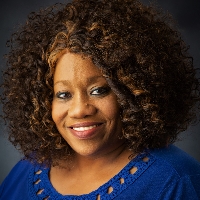
About Sharon
Sharon Woodard is a licensed mental health counselor with 15 years of experience. She uses a client-centered approach to help people feel heard and understood. Her work focuses on depression, anxiety, trauma, grief, and rebuilding self-worth after difficult events.
Sharon creates a calm space where people can talk through painful memories and current stresses. She helps clients name what is happening, look at patterns, and try small changes that make daily life easier. Therapy often includes practical skills for managing panic, mood swings, and overwhelming emotions.
Her background includes extensive work with survivors of sexual assault and with people coping with post-traumatic stress. Sharon also supports those dealing with workplace problems, social anxiety, and relationship or intimacy-related struggles. She pays attention to issues like guilt, shame, and feelings of abandonment.
Sharon blends client-centered care with cognitive behavioral techniques, dialectical behavior strategies, mindfulness practices, and trauma-focused methods. This mix lets her tailor sessions to what a person needs in the moment, from grounding exercises to skill-building for emotion regulation.
Clients who meet with Sharon can expect a steady, compassionate presence and clear steps to try between sessions. She aims to help people build self-compassion, strengthen coping skills, and find a clearer sense of life purpose over time.
How her approaches guide online therapy
Client-Centered Therapy focuses on listening with empathy and following the client's lead. Sessions emphasize understanding a person’s experience and working at their pace to build trust and self-awareness.Cognitive Behavioral Therapy, or CBT, looks at how thoughts, feelings, and behaviors connect. It often involves identifying unhelpful patterns and testing small behavioral changes to reduce anxiety, panic, or low mood.
Dialectical Behavior Therapy, DBT, teaches practical skills for managing intense emotions and improving interpersonal effectiveness. It can be helpful for mood instability, panic, and chronic emotional overwhelm.
Finding the right approach is part of the work. Sharon will collaborate with each person to decide which methods fit their needs and goals. She adapts techniques over time based on how someone responds and what they want to accomplish.
Confirm current session options before booking, as formats are not specified here. Online therapy can make scheduling easier and help therapy fit into busy days. It can also allow shorter check-ins, easier access during work breaks, or options that don’t require travel. Talk with the therapist during intake to learn which session formats are available and what will work best for your routine.
Areas of expertise
Also works with
Additional focus areas
Therapeutic approaches
Experience
15+ years
Listed in
North Carolina, Virginia, Washington
Languages
English
Frequently asked questions
What concerns does Sharon commonly address?
She works with stress, anxiety, depression, trauma and grief. Other areas include self-esteem, relationship and intimacy issues, eating and anger concerns, and workplace stress.
How would you describe her therapeutic style?
Her style is client-centered and compassionate. She combines that with CBT, DBT, mindfulness, and trauma-focused techniques as needed.
What kind of experience does she bring?
She has 15 years of clinical experience helping people navigate mood disorders, post-traumatic stress, and recovery from sexual assault.
What credentials and location are listed?
She holds LMHC and LCMHC credentials and practices in North Carolina.
Can therapy be conducted in languages other than English?
Sessions are offered in English.
Are international clients supported?
International clients are not currently accepted.
How are sessions scheduled and how much do they cost?
Cost varies by location and therapist availability; sessions use a subscription that can be canceled at any time.
What are the first steps to begin working together?
Click the Start Therapy button, complete a short matching questionnaire, and schedule according to therapist availability.
Online talk therapy is not emergency care. If you are in danger, use the crisis numbers.