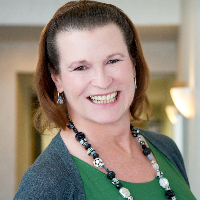
Dr. Rhoda Lipscomb
LPCColorado · 34 yrs exp
Experienced counselor for sexuality and relationships
Stress, Anxiety · LGBT · Relationship · Intimacy-related issues · +8 more
Read profileTherapist listings are provided by BetterHelp. We will earn a commission at no additional cost to you if you use our links to purchase.
Compare profiles of professionals listed in Colorado who include client-centered approaches in their work. Use the profile details to compare focus areas, languages, academic degrees and professional permissions, then open profiles to learn more.
Colorado · 34 yrs exp
Experienced counselor for sexuality and relationships
Stress, Anxiety · LGBT · Relationship · Intimacy-related issues · +8 more
Read profile
Colorado · 13 yrs exp
Compassionate, practical therapy for adults
Stress, Anxiety · LGBT · Relationship · Trauma and abuse · +10 more
Read profile
Colorado · 18 yrs exp
Client-centered counselor helping people find practical steps
Stress, Anxiety · Parenting · Self esteem · Coping with life changes · +4 more
Read profile
Colorado · 5 yrs exp
Therapist focused on listening and practical change
Relationship · Family · Grief · Self esteem · +1 more
Read profile
Colorado · 16 yrs exp
Client-centered counseling for everyday struggles
Stress, Anxiety · Trauma and abuse · Grief · Parenting · +1 more
Read profile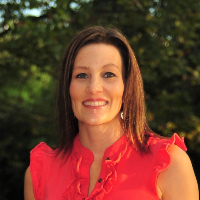
Colorado · 24 yrs exp
Person-centered counselor focused on practical change
Stress, Anxiety · Addictions · Parenting · Career · +11 more
Read profile
Colorado · 15 yrs exp
Compassionate counselor helping people through life changes
Stress, Anxiety · Family · Trauma and abuse · Parenting · +11 more
Read profile
Colorado · 11 yrs exp
Calm, practical therapy centered on you
Stress, Anxiety · Addictions · Relationship · Depression · +11 more
Read profile
Colorado · 25 yrs exp
Client-centered counselor focused on healing
Stress, Anxiety · Trauma and abuse · Eating · Parenting · +15 more
Read profile
Colorado · 30 yrs exp
Compassionate person-centered therapist
Stress, Anxiety · Relationship · Trauma and abuse · Depression · +15 more
Read profile
Colorado · 5 yrs exp
Compassionate, person-centered counseling
Trauma and abuse · Grief · Self esteem · Compassion fatigue · +9 more
Read profile
Colorado · 10 yrs exp
Compassionate counselor focused on practical growth
Stress, Anxiety · Relationship · Trauma and abuse · Parenting · +6 more
Read profile
Colorado · 32 yrs exp
Compassionate counselor helping adults find strength
Stress, Anxiety · Grief · Self esteem · Depression · +8 more
Read profile
Colorado · 28 yrs exp
Compassionate, client-centered care in Colorado
Stress, Anxiety · Relationship · Trauma and abuse · Grief · +10 more
Read profile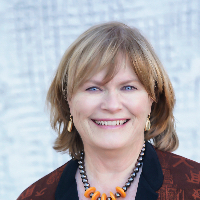
Colorado · 30 yrs exp
Experienced family therapist who values collaboration
Relationship · Family · Grief · Parenting · +6 more
Read profile
Colorado · 24 yrs exp
Compassionate client-centered counseling and coaching
Stress, Anxiety · Relationship · Self esteem · Depression · +7 more
Read profile
Colorado · 31 yrs exp
Seasoned counselor who walks alongside clients
Stress, Anxiety · Trauma and abuse · Grief · Depression · +9 more
Read profile
Colorado · 5 yrs exp
Compassionate, practical therapy for everyday struggles
Stress, Anxiety · Relationship · Family · Parenting · +6 more
Read profile
Colorado · 12 yrs exp
Compassionate counselor who listens and guides
Stress, Anxiety · Addictions · Trauma and abuse · Grief · +7 more
Read profile
Colorado · 15 yrs exp
Insightful counselor focused on everyday problems
Stress, Anxiety · Relationship · Family · Grief · +8 more
Read profile
Colorado · 9 yrs exp
Therapist focused on strengths and solutions
Stress, Anxiety · Relationship · Family · Parenting · +7 more
Read profile
Colorado · 20 yrs exp
Calm, practical therapy for stress and relationships
Stress, Anxiety · Relationship · Trauma and abuse · Self esteem · +10 more
Read profile
Colorado · 10 yrs exp
Compassionate counselor for life transitions
Relationship · Family · Trauma and abuse · Grief · +3 more
Read profile
Colorado · 5 yrs exp
Compassionate therapist for practical change
Stress, Anxiety · Trauma and abuse · Grief · Depression · +15 more
Read profileClient-centered therapy - called person-centred in the UK and Australia - was first described by Carl Rogers and focuses on following what matters to you rather than the therapist directing the session. In practice you will often find the therapist listens closely, reflects what they hear back to you and invites you to explore your thoughts and feelings at your own pace. Sessions can feel supportive, calm and exploratory, and many people describe them as a place where their concerns are taken seriously and their perspectives shape the work.
It is important to understand that this approach does not promise specific outcomes or replace medical or other professional care. Some therapists combine client-centered ways of relating with other therapeutic options; if a profile lists another approach among their methods, ask how they integrate that work with a client-centered stance. Your experience will depend on how you and the professional choose to work together.
This page groups profiles under the listed location Colorado. That grouping does not by itself confirm an office address, physical proximity to you, eligibility to work with residents in a particular place, or an active permission to practise in that jurisdiction. You should check each profile and confirm directly that the professional can legally and ethically work with you where you live.
Professionals in this directory may hold academic degrees such as PhD, PsyD, MD, MA or MSW. Academic degrees describe the level and field of study but are not the same as professional permission to practise. In the United States many clinicians hold state licences that grant them permission to practise; in the UK and Australia professionals may be registered with or members of recognised regulatory bodies. When you read a profile, note whether it lists a licence, registration or professional membership and ask the professional to confirm current permission to work with you in Colorado if you intend to meet in person or are located there when seeking online care.
When you review profiles, think ahead to the questions that will help you compare how a professional works. You might ask them to describe what client-centered or person-centred work looks like in their practice and how they balance listening and reflection with more structured interventions if those are sometimes used. Ask about the kinds of problems they commonly work with and about their experience with particular focus areas you care about, such as anxiety, grief or life transitions. If a profile lists other approaches among their methods, ask what that means in daily practice - for example, if a profile lists EMDR, mindfulness-based approaches or other names, ask how often those approaches are used and in what situations they might be offered.
You can also ask about the populations the professional usually supports and whether a listed topic on a profile includes children, couples or families. A listed topic does not guarantee a scope of practice, so it is reasonable to ask who they typically work with and how they adapt their style to different ages and backgrounds. Practical, direct questions about experience and style will help you judge whether a profile seems like a good starting point for a conversation.
If you are considering online sessions, raise a set of practical issues before you begin. Confirm that the professional has permission to work with clients located where you are, as regulations can vary by country and by state. Discuss how you and the therapist will handle time zone differences if any, and agree how to manage technology interruptions so you know what to expect if a call drops.
Talk about emergency planning at the outset; you should know what local resources the professional recommends if you are in crisis while located in Colorado. Clarify how your information will be handled and what data protection practices the professional follows, and check whether the session location you intend to use offers the privacy you need. It is also reasonable to ask how the professional adapts person-centred principles to remote work so you can get a sense of the session atmosphere before committing to ongoing contact.
When you compare profiles, take a composite view. Focus areas on a profile give you an initial sense of the clinician's interests; language information helps you find someone you can communicate with comfortably. Academic degrees provide context about training, and listings of licences, registrations or professional memberships indicate the types of professional permission the person may hold. Remember that a degree such as a PhD, PsyD, MD, MA or MSW is not itself proof of current permission to practise, so look for explicit mention of licences or registrations and confirm those directly if they matter to you.
Therapeutic style is often conveyed by short descriptions on profiles. Some clinicians emphasise listening and reflection, others describe a mix of experiential, narrative or skills-based elements alongside a client-centered stance. If a profile mentions languages other than English, that may be a crucial part of fit for you. Compare how professionals describe their work with the population you belong to and the issues you want to address. If you are unsure whether a profile matches your needs, reach out and ask specific questions about experience, how they typically structure sessions and what a first meeting might focus on.
Choosing someone to work with is a personal decision and often begins with small practical comparisons: location listed on the profile, the professional's stated focus areas, languages and the combination of academic background with professional permissions. Use the profile to form questions that matter to you and confirm directly with the professional that they can work with you in your place of residence. That conversation will give you the clearest information about fit and scope before you decide whether to start.
Addictions
1413 therapists
ADHD
1428 therapists
Anger
2116 therapists
Chronic Illness
508 therapists
Control Issues
1265 therapists
Depression
3386 therapists
Grief
2770 therapists
Guilt and Shame
2295 therapists
Isolation / Loneliness
2081 therapists
Midlife Crisis
1136 therapists
Mood Disorders
1268 therapists
Panic Disorder and Panic Attacks
1309 therapists
Post-Traumatic Stress
1564 therapists
Postpartum Depression
559 therapists
Self Esteem
3336 therapists
Sleeping Disorders
702 therapists
Social Anxiety and Phobia
1934 therapists
Stress & Anxiety
3751 therapists
Trauma and Abuse
2785 therapists
Abandonment
1284 therapists
Aging and Geriatric Issues
564 therapists
Attachment Issues
1579 therapists
Blended Family Issues
787 therapists
Body Image
932 therapists
Career
1856 therapists
Caregiver Issues and Stress
1328 therapists
Codependency
951 therapists
Communication Problems
2457 therapists
Compassion Fatigue
1482 therapists
Coping with Life Changes
3136 therapists
Divorce
1545 therapists
Family
2592 therapists
Family of Origin Issues
786 therapists
Forgiveness
1933 therapists
Hospice and End-of-Life Counseling
425 therapists
Life Purpose
2317 therapists
Money and Financial Issues
515 therapists
Parenting
2048 therapists
Pregnancy
536 therapists
Relationship
3131 therapists
Self-Love
2448 therapists
Workplace Issues
1503 therapists