
Amy Matthews
LMHCFlorida · 39 yrs exp
Compassionate counselor with decades of experience
Stress, Anxiety · Relationship · Family · Parenting · +14 more
Read profileTherapist listings are provided by BetterHelp. We will earn a commission at no additional cost to you if you use our links to purchase.
This directory page groups profiles of clinicians who list Sleeping Disorders alongside client-centred (person-centred) therapy. Compare listed location, approaches, languages, academic degrees and therapeutic style, then browse profiles to learn more.
Florida · 39 yrs exp
Compassionate counselor with decades of experience
Stress, Anxiety · Relationship · Family · Parenting · +14 more
Read profile
North Carolina · 51 yrs exp
Compassionate counselor for life and relationships
Relationship · Intimacy-related issues · Parenting · Self esteem · +12 more
Read profile
Michigan · 30 yrs exp
Experienced client-centered therapist
Trauma and abuse · Grief · Parenting · Anger · +9 more
Read profile
Louisiana · 10 yrs exp
Person-centered care for life's difficult transitions
Stress, Anxiety · Grief · Anger · Depression · +8 more
Read profile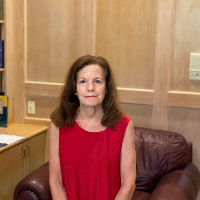
Massachusetts · 25 yrs exp
Therapist focused on listening and practical steps
Stress, Anxiety · Relationship · Family · Self esteem · +14 more
Read profile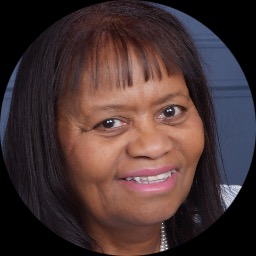
Michigan · 10 yrs exp
Compassionate counselor guiding practical change
Stress, Anxiety · Family · Trauma and abuse · Grief · +12 more
Read profile
Florida · 21 yrs exp
Compassionate counselor focused on practical change
Stress, Anxiety · Depression · Coping with life changes · ADHD · +12 more
Read profile
Louisiana · 5 yrs exp
Compassionate client-centered therapy focused on practical change
Stress, Anxiety · Relationship · Family · Grief · +15 more
Read profile
Virginia · 30 yrs exp
Experienced LCSW offering practical, conversational therapy
Stress, Anxiety · Relationship · Grief · Depression · +16 more
Read profile
Indiana · 5 yrs exp
Direct, compassionate LMHC in Indiana
Stress, Anxiety · Relationship · Self esteem · Depression · +7 more
Read profile
Illinois · 31 yrs exp
Experienced Illinois clinician focused on strengths
Stress, Anxiety · Relationship · Grief · Parenting · +7 more
Read profile
New York · 30 yrs exp
Experienced New York LCSW blending talk and tools
Stress, Anxiety · Addictions · Relationship · Trauma and abuse · +12 more
Read profile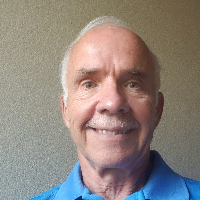
Michigan · 38 yrs exp
Compassionate client-centered counseling
Stress, Anxiety · Addictions · Family · Trauma and abuse · +16 more
Read profile
New York · 27 yrs exp
Experienced LCSW focused on practical change
Stress, Anxiety · Family · Trauma and abuse · Bipolar · +10 more
Read profile
Florida · 20 yrs exp
Compassionate, practical care focused on your goals
Stress, Anxiety · Relationship · Grief · Self esteem · +14 more
Read profile
Illinois · 25 yrs exp
Compassionate counselor focused on practical growth
Stress, Anxiety · Relationship · Family · Trauma and abuse · +14 more
Read profile
Louisiana · 24 yrs exp
Experienced LPC focused on practical coping
Stress, Anxiety · Family · Trauma and abuse · Grief · +10 more
Read profile
New York · 30 yrs exp
Compassionate, practical therapy for life changes
Stress, Anxiety · Grief · Self esteem · Depression · +13 more
Read profile
United Kingdom · 8 yrs exp
A calm, person-centred counsellor
Stress, Anxiety · Grief · Depression · Compassion fatigue · +10 more
Read profile
United Kingdom · 15 yrs exp
Compassionate counsellor helping people find direction
Stress, Anxiety · Trauma and abuse · Grief · Depression · +14 more
Read profile
United Kingdom · 6 yrs exp
Practical, person-centred support for life's pressures
Stress, Anxiety · Trauma and abuse · Grief · Depression · +14 more
Read profile
Texas · 40 yrs exp
Compassionate counselor guiding recovery and growth
Stress, Anxiety · Addictions · Family · Bipolar · +13 more
Read profile
Kentucky · 16 yrs exp
Compassionate therapist focused on practical change
Stress, Anxiety · Sleeping · Bipolar · Depression · +9 more
Read profile
United Kingdom · 4 yrs exp
Compassionate counselling that centres your experience
Stress, Anxiety · Relationship · Trauma and abuse · Grief · +12 more
Read profileWhen sleep becomes inconsistent or distressing, it affects daily concentration, mood and energy. You may be looking for help with difficulty falling asleep, staying asleep, early waking, restless sleep or patterns that shift over time. Therapy is one avenue people use to explore the thoughts, emotions, relationships and routines that connect with sleep. It is also common to combine therapy with medical or specialist sleep assessment when a medical cause is suspected. This page focuses on how therapists who list Sleeping Disorders and client-centred (person-centred) approaches present their work and how you can compare them, not on medical diagnosis.
Sessions that follow a client-centred or person-centred stance are led by what matters to you. A therapist working this way listens closely, reflects your experience and avoids directing the conversation into a predetermined plan. The approach was first described by Carl Rogers and places emphasis on empathy, acceptance and the therapist offering their presence rather than prescribing solutions. That style can feel like being heard without pressure to answer or perform, and it often creates space to explore how sleep-related struggles fit inside your wider life. It is important to remember that no therapist or approach is guaranteed to produce specific results and that some sleep concerns warrant assessment by a GP or sleep specialist.
This directory groups profiles where clinicians list client-centred (person-centred) therapy among their approaches. That listing indicates the therapist values listening and following your priorities, rather than signalling a particular certification or diagnostic service. Sleeping difficulties are often interconnected with stress, mood, life transitions or relationship issues, and some people choose to explore those connections in a person-centred frame. Others may be seeking concrete strategies for sleep regulation alongside a relational space to process worries that disrupt rest.
Because the directory spans professionals in the United States, the United Kingdom and Australia, you will see a range of ways practitioners describe their work. Some profiles emphasise a person-centred listening stance, while others list person-centred alongside approaches such as cognitive-behavioural techniques, mindfulness, behavioural sleep strategies or relational work. Where those additional approaches appear, read them as discussion points to bring up with a clinician rather than as proof of specific training or outcomes. If you think you need medical assessment, referral or a sleep study, consider contacting a medical professional in your listed location in parallel.
When you read profiles, think of questions that will clarify how a therapist might work with your sleep concerns. You might ask whether the profile reflects a sustained focus on sleep-related patterns or whether sleep appears as one of several issues they support. Ask how a person-centred stance typically shapes sessions with people who bring sleep problems - for example whether the clinician prefers to follow your priorities first or whether they suggest particular strategies early on. It is useful to inquire which additional approaches the clinician lists, phrasing it as a curiosity: do they list CBT among their approaches, or mindfulness-based techniques, or behavioural sleep approaches? Asking this helps you understand whether the therapist will collaborate with you on practical strategies as well as emotional processing.
You can also ask about the kinds of client experiences the therapist commonly works with, such as stress-related sleep disruption, shift-work sleep patterns or long-standing insomnia. Request clarification about their experience with relevant populations rather than assuming all listed topics mean the therapist treats children, couples or families. Finally, get a sense of session style by asking how they typically structure time and how they support reflection between meetings. These questions help you judge fit based on what you value in a therapeutic relationship rather than on labels alone.
If you are considering remote work, bring up practical and relational details before you start. Ask about the therapist's mode of work in relation to your listed location and whether they discuss boundaries around communication between sessions. Discuss how they handle situations when a session ends early or if you need to pause the meeting for technical reasons. Because sleep concerns can sometimes feel urgent, it is reasonable to ask how the clinician recommends you proceed if your sleep or mood suddenly worsens, and whether they can suggest local medical or crisis resources in your listed location.
Also ask how they adapt a person-centred approach to remote formats. Some therapists describe using gentle pacing and reflective listening to help you notice patterns that affect sleep, while others may combine that stance with short practical experiments you can try between sessions. Clarify what you would like from remote sessions - more structured guidance, or open exploration - and ask how the clinician hears that preference. These conversations can make remote work more useful for you and ensure both of you have a shared sense of purpose at the start.
Profiles display a mixture of information that helps you compare clinicians. Focus areas indicate topics the therapist lists, such as sleeping difficulties alongside mood or anxiety. Languages listed on a profile can be important if you prefer to speak in a non-primary language. Credentials and degrees appear too, but keep in mind that a PhD, PsyD, MD, MA or MSW denotes an academic or professional degree and does not by itself confirm current permission to practise. In the United States, look for references to relevant state licensure such as psychologist, licensed clinical social worker or counsellor titles where provided. In the United Kingdom and Australia you may see registration or professional membership noted instead, for example membership of counselling associations or registration with national health professions boards. These terms mean different things in different countries, so interpret them as starting points for conversation.
Style descriptions on profiles often reveal whether a clinician emphasises a gentle, exploratory pace or a more directive problem-solving focus. If a profile mentions person-centred work, that signals an orientation to follow your priorities and to provide empathic listening. If other approaches are also listed, use that information to form specific questions: does the therapist integrate behavioural sleep techniques, and if so how do they balance those with a person-centred stance? Does the clinician work with sleep hygiene and routine, or primarily with underlying emotional and relational factors? Comparing profiles with these concrete questions in mind will help you identify clinicians whose listed style and expertise match what you are looking for.
Choosing someone to speak with about sleep is a personal decision. Use profiles to gather facts about listed location, language, academic background and the ways clinicians describe their approach, and then reach out to discuss your particular needs. Talking directly with a therapist about how they would work with your sleeping concerns will give you the clearest picture of fit and next steps.
Alabama
48 therapists
Alaska
2 therapists
Arizona
25 therapists
Arkansas
23 therapists
Australia
58 therapists
California
275 therapists
Colorado
72 therapists
Connecticut
20 therapists
Delaware
5 therapists
District of Columbia
5 therapists
Florida
228 therapists
Georgia
65 therapists
Hawaii
8 therapists
Idaho
19 therapists
Illinois
114 therapists
Indiana
40 therapists
Iowa
15 therapists
Kansas
21 therapists
Kentucky
29 therapists
Louisiana
56 therapists
Maine
18 therapists
Maryland
49 therapists
Massachusetts
45 therapists
Michigan
98 therapists
Minnesota
35 therapists
Mississippi
33 therapists
Missouri
82 therapists
Montana
16 therapists
Nebraska
9 therapists
Nevada
11 therapists
New Hampshire
12 therapists
New Jersey
74 therapists
New Mexico
15 therapists
New York
139 therapists
North Carolina
71 therapists
North Dakota
4 therapists
Ohio
58 therapists
Oklahoma
49 therapists
Oregon
21 therapists
Pennsylvania
99 therapists
Rhode Island
1 therapist
South Carolina
43 therapists
South Dakota
5 therapists
Tennessee
38 therapists
Texas
339 therapists
United Kingdom
1272 therapists
Utah
19 therapists
Vermont
8 therapists
Virginia
57 therapists
Washington
47 therapists
West Virginia
3 therapists
Wisconsin
37 therapists
Wyoming
15 therapists