
Dr. Colleen Downes
LCSWNew York · 35 yrs exp
Compassionate, experienced therapist focused on practical support
Stress, Anxiety · Self esteem · Career · ADHD · +10 more
Read profileTherapist listings are provided by BetterHelp. We will earn a commission at no additional cost to you if you use our links to purchase.
This page groups profiles of professionals who list Multicultural Concerns alongside client-centred approaches. You can compare listed location, languages, credentials, focus areas and therapeutic style, then browse profiles to learn more.
New York · 35 yrs exp
Compassionate, experienced therapist focused on practical support
Stress, Anxiety · Self esteem · Career · ADHD · +10 more
Read profile
North Carolina · 18 yrs exp
Experienced counselor who listens first
Stress, Anxiety · Addictions · Trauma and abuse · Anger · +13 more
Read profile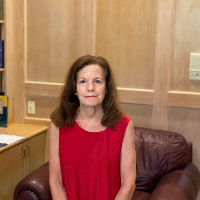
Massachusetts · 25 yrs exp
Therapist focused on listening and practical steps
Stress, Anxiety · Relationship · Family · Self esteem · +14 more
Read profile
Texas · 13 yrs exp
Compassionate counselor focused on personal development
Stress, Anxiety · Trauma and abuse · Grief · Depression · +7 more
Read profile
Michigan · 10 yrs exp
Compassionate counselor guiding practical change
Stress, Anxiety · Family · Trauma and abuse · Grief · +12 more
Read profile
Oregon · 17 yrs exp
Careful, person-focused therapy for emotional healing
Stress, Anxiety · Trauma and abuse · Grief · Intimacy-related issues · +1 more
Read profile
New York · 14 yrs exp
Compassionate, practical therapy in New York
Stress, Anxiety · Relationship · Trauma and abuse · Self esteem · +5 more
Read profile
Mississippi · 16 yrs exp
Compassionate counselor focused on practical growth
Stress, Anxiety · Family · Anger · Depression · +8 more
Read profile
Florida · 11 yrs exp
Steady listening with practical steps
Stress, Anxiety · Trauma and abuse · Grief · Depression · +8 more
Read profile
Louisiana · 40 yrs exp
Compassionate social worker guiding steady change
Stress, Anxiety · Addictions · Relationship · Self esteem · +2 more
Read profile
South Carolina · 26 yrs exp
Experienced listener guiding clearer direction
Self esteem · Career · Coping with life changes · Coaching · +7 more
Read profile
Nebraska · 35 yrs exp
Experienced client-centered counselor
LGBT · Relationship · Family · Intimacy-related issues · +6 more
Read profile
Louisiana · 5 yrs exp
Compassionate client-centered therapy focused on practical change
Stress, Anxiety · Relationship · Family · Grief · +15 more
Read profile
Illinois · 15 yrs exp
Bilingual counselor focused on listening and practical support
Stress, Anxiety · Relationship · Family · Trauma and abuse · +1 more
Read profile
Indiana · 5 yrs exp
Direct, compassionate LMHC in Indiana
Stress, Anxiety · Relationship · Self esteem · Depression · +7 more
Read profile
Illinois · 31 yrs exp
Experienced Illinois clinician focused on strengths
Stress, Anxiety · Relationship · Grief · Parenting · +7 more
Read profile
Pennsylvania · 30 yrs exp
Compassionate client-centered therapy for life transitions
Stress, Anxiety · Family · Trauma and abuse · Grief · +10 more
Read profile
Missouri · 3 yrs exp
Compassionate guidance for stressful family and trauma issues
Family · Trauma and abuse · Parenting · Depression · +8 more
Read profile
Texas · 15 yrs exp
Experienced LCSW focused on client-centered care
Stress, Anxiety · Trauma and abuse · Grief · Depression · +13 more
Read profile
Wisconsin · 33 yrs exp
Compassionate counselor for life transitions
Stress, Anxiety · Addictions · Trauma and abuse · Grief · +11 more
Read profile
Illinois · 37 yrs exp
Lori Mattix, LCSW - Client-focused practical support
Stress, Anxiety · Family · Anger · Self esteem · +11 more
Read profile
Florida · 8 yrs exp
Compassionate counselor focused on practical change
Stress, Anxiety · Family · Parenting · Self esteem · +1 more
Read profile
New York · 30 yrs exp
Compassionate, practical therapy for life changes
Stress, Anxiety · Grief · Self esteem · Depression · +13 more
Read profile
Nevada · 5 yrs exp
Compassionate counselor focused on practical change
Stress, Anxiety · Family · Grief · Self esteem · +1 more
Read profileWhen you are looking for help with issues where culture, ethnicity, faith, migration history, or identity are central, those factors shape what matters to you in therapy. Many people find it helpful to work with someone who explicitly lists Multicultural Concerns because that signals a focus, not a guarantee. In a client-centred (person-centred) therapy approach as first described by Carl Rogers, the therapist follows what matters to you, listens closely and does not direct you. Sessions often emphasise your priorities, your perspective and the relationship with the therapist rather than a prescribed set of techniques. That way of working can give you more space to bring cultural themes into the conversation on your terms.
The profiles on this page group practitioners who list Multicultural Concerns in their focus and also note client-centred approaches among their methods. This grouping can help you find professionals who say they attend to cultural context while working in a person-directed way. It does not mean every listed practitioner has particular certifications or that their experience matches your circumstances. Use profiles as a starting point to learn about where a practitioner lists their listed location, languages and the populations they say they work with, and then reach out through the contact details in a profile to ask specific questions about fit.
You may wonder how a person-centred style interacts with multicultural concerns. In practice, a person-centred stance prioritises your perspective and the meanings you attach to cultural elements - whether that is heritage, religion, migration, language, racial identity or other social factors. A therapist who emphasises that stance will typically pause to follow what you identify as most important, ask open questions and reflect your experience rather than imposing interpretations. That can create space for you to bring cultural experiences into sessions in the way you prefer.
At the same time, naming Multicultural Concerns in a profile can mean different things across individual practitioners. Some will highlight experience working with particular communities or languages, while others emphasise ongoing attention to culture within every conversation. On this directory you will see a mix of professionals from the United States, the United Kingdom and Australia. For readers in the US you may notice references to state licences; in the UK and Australia you will often see references to registration or membership with professional bodies. Academic degrees such as PhD, PsyD, MD, MA or MSW may appear in profiles but a degree by itself does not establish current permission to practise. Profiles list what a practitioner chooses to share about their focus - it remains important to ask about the specific ways they incorporate cultural awareness into their practice.
When you explore profiles, prepare direct comparison questions that help you assess fit. You can ask a practitioner to describe how they apply client-centred listening in sessions and what that looks like when cultural identity is central to the work. A concrete question might be: "When you list Multicultural Concerns, what kinds of cultural or identity issues do you commonly support, and with which communities have you worked?" Another useful question is: "How do you handle language differences - do you work in multiple languages or use interpreters, and how is that arranged?"
Ask for examples of practical adjustments they make to honour cultural practices in therapy sessions, and how they navigate situations where cultural norms influence help-seeking or family involvement. If you are curious about particular modalities you have heard of, frame your question in a neutral way such as: "I noticed you list certain approaches among your methods - how do you decide when to use those alongside a person-centred way of working?" Remember that profiles indicate what a practitioner lists; they do not prove specialised certification. Questions that request concrete descriptions of past practice and everyday adjustments will tell you more about how they might work with you.
If you are considering remote sessions, there are practical matters to clarify that affect how cultural issues are handled. Begin by asking where the practitioner is based and what their listed location means for time zone coordination and any regional guidance they follow in emergencies. Discuss the technology they use and their privacy safeguards so you can decide how comfortable you feel sharing sensitive cultural material. It is also important to say whether you have a private space where you can speak openly and to ask how the practitioner manages situations where you may not have a private space at home.
Talk about language preferences and what happens if you need an interpreter or supplemental materials in another language. Check whether the therapist describes working with people who share your language or cultural background, and ask how they approach differences when that is not the case. You might also want to discuss session length and how cultural holidays, family obligations or differing norms around time are respected. Finally, ask about their approach to emergency contacts or local resources in your area, since practitioners in different countries follow different policies and may refer to local services if needed.
When you compare profiles, focus on the concrete signals that matter to you. Read descriptions of focus areas to see if specific cultural, ethnic or identity groups are named and whether issues such as migration, discrimination, faith or bilingualism are mentioned. Look for listed languages and note whether the practitioner indicates they work directly in those languages or use other arrangements. Compare credentials carefully: academic degrees such as MA, MSW, PsyD or PhD describe training, while licences, registrations or memberships describe professional permission or professional association relationships. A degree does not automatically indicate current permission to practise, so include a question about licensure, registration or membership if that is important to you.
Style is another practical consideration. Some profiles describe session rhythm, use of reflection, narrative or exploratory conversation, or how directive the therapist tends to be. Because client-centred work emphasises following your lead, ask how much structure you can expect and how the therapist balances open listening with offering observations. You can also compare profiles by reading how practitioners describe boundaries around family involvement, note-taking, or collaboration with other professionals. Use the profiles to shortlist practitioners who match your priorities, then reach out to ask the concrete questions you prepared so you can decide which person feels most like a fit for the kind of culturally attuned, person-directed support you want.
Choosing someone to work with on multicultural concerns is a personal decision. Profiles on HeardAndHeld.org are a gateway to understanding how different practitioners describe their focus, languages and professional background. They can help you prepare the right questions and find a person whose approach to listening and cultural awareness aligns with what matters to you. When you contact a practitioner from a profile, direct questions about how they would work with your specific circumstances will give you the clearest sense of fit.
Alabama
48 therapists
Alaska
2 therapists
Arizona
25 therapists
Arkansas
23 therapists
Australia
58 therapists
California
275 therapists
Colorado
72 therapists
Connecticut
20 therapists
Delaware
5 therapists
District of Columbia
5 therapists
Florida
228 therapists
Georgia
65 therapists
Hawaii
8 therapists
Idaho
19 therapists
Illinois
114 therapists
Indiana
40 therapists
Iowa
15 therapists
Kansas
21 therapists
Kentucky
29 therapists
Louisiana
56 therapists
Maine
18 therapists
Maryland
49 therapists
Massachusetts
45 therapists
Michigan
98 therapists
Minnesota
35 therapists
Mississippi
33 therapists
Missouri
82 therapists
Montana
16 therapists
Nebraska
9 therapists
Nevada
11 therapists
New Hampshire
12 therapists
New Jersey
74 therapists
New Mexico
15 therapists
New York
139 therapists
North Carolina
71 therapists
North Dakota
4 therapists
Ohio
58 therapists
Oklahoma
49 therapists
Oregon
21 therapists
Pennsylvania
99 therapists
Rhode Island
1 therapist
South Carolina
43 therapists
South Dakota
5 therapists
Tennessee
38 therapists
Texas
339 therapists
United Kingdom
1272 therapists
Utah
19 therapists
Vermont
8 therapists
Virginia
57 therapists
Washington
47 therapists
West Virginia
3 therapists
Wisconsin
37 therapists
Wyoming
15 therapists