
Amy Matthews
LMHCFlorida · 39 yrs exp
Compassionate counselor with decades of experience
Stress, Anxiety · Relationship · Family · Parenting · +14 more
Read profileTherapist listings are provided by BetterHelp. We will earn a commission at no additional cost to you if you use our links to purchase.
This page groups profiles of therapists who list trauma and abuse among their clinical focuses and who also list client-centred approaches. Use the filters and profile summaries to compare listed location, languages, credentials and the kinds of concerns each therapist describes.
Browse profiles to learn how practitioners describe their approach and experience, then contact any therapist directly to ask specific questions about how they work.
Florida · 39 yrs exp
Compassionate counselor with decades of experience
Stress, Anxiety · Relationship · Family · Parenting · +14 more
Read profile
North Carolina · 51 yrs exp
Compassionate counselor for life and relationships
Relationship · Intimacy-related issues · Parenting · Self esteem · +12 more
Read profile
Ohio · 3 yrs exp
Helping people find practical steps forward
Addictions · Family · Anger · Depression · +6 more
Read profile
Maryland · 10 yrs exp
Therapist who focuses on practical support
Stress, Anxiety · Relationship · Family · Intimacy-related issues · +12 more
Read profile
New York · 35 yrs exp
Compassionate, experienced therapist focused on practical support
Stress, Anxiety · Self esteem · Career · ADHD · +10 more
Read profile
Michigan · 30 yrs exp
Experienced client-centered therapist
Trauma and abuse · Grief · Parenting · Anger · +9 more
Read profile
Michigan · 45 yrs exp
Experienced counselor focused on practical support
Stress, Anxiety · Addictions · Trauma and abuse · Grief · +10 more
Read profile
Wisconsin · 8 yrs exp
Person-centered counselor for relationship and life change
Relationship · Intimacy-related issues · Coping with life changes · Stress, Anxiety · +8 more
Read profile
Minnesota · 23 yrs exp
Compassionate therapy that centers your experience
Stress, Anxiety · Relationship · Trauma and abuse · Self esteem · +13 more
Read profile
Pennsylvania · 16 yrs exp
Compassionate counselor who centers your experience
Stress, Anxiety · Relationship · Family · Trauma and abuse · +11 more
Read profile
Virginia · 6 yrs exp
Practical, empathetic counseling for common life struggles
Stress, Anxiety · Trauma and abuse · Parenting · Depression · +4 more
Read profile
South Carolina · 10 yrs exp
Calm, client-led care with practical skills
Stress, Anxiety · Relationship · Family · Trauma and abuse · +1 more
Read profile
Louisiana · 22 yrs exp
Compassionate, practical support for daily struggles
Stress, Anxiety · Relationship · Family · Grief · +11 more
Read profile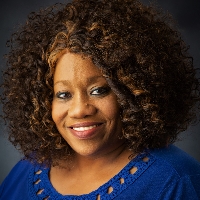
North Carolina · 15 yrs exp
Compassionate, client-centered care for complex emotions
Stress, Anxiety · Trauma and abuse · Grief · Self esteem · +11 more
Read profile
Wisconsin · 23 yrs exp
Client-centered counselor with practical focus
Stress, Anxiety · Trauma and abuse · Eating · Bipolar · +13 more
Read profile
North Carolina · 18 yrs exp
Experienced counselor who listens first
Stress, Anxiety · Addictions · Trauma and abuse · Anger · +13 more
Read profile
Illinois · 28 yrs exp
Compassionate, client-centered counseling for life changes
Stress, Anxiety · Relationship · Grief · Self esteem · +8 more
Read profile
Virginia · 23 yrs exp
Compassionate counselor focused on client strengths
Stress, Anxiety · Trauma and abuse · Self esteem · Depression · +9 more
Read profile
Kentucky · 11 yrs exp
Direct compassionate client-centered therapy
Stress, Anxiety · Relationship · Family · Self esteem · +9 more
Read profile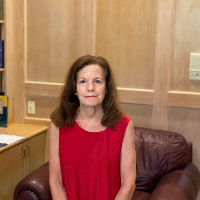
Massachusetts · 25 yrs exp
Therapist focused on listening and practical steps
Stress, Anxiety · Relationship · Family · Self esteem · +14 more
Read profile
Arizona · 30 yrs exp
Supportive client-centered counselor
Stress, Anxiety · Trauma and abuse · Self esteem · Career · +11 more
Read profile
Florida · 10 yrs exp
Hopeful guidance with practical tools
Stress, Anxiety · Family · Parenting · Self esteem · +10 more
Read profile
Texas · 23 yrs exp
Therapist focused on practical, person-centered care
Stress, Anxiety · Relationship · Self esteem · Career · +11 more
Read profile
Tennessee · 35 yrs exp
Practical, relationship-focused therapy for everyday struggles
Stress, Anxiety · Grief · Self esteem · Depression · +8 more
Read profileIf you are seeking support for trauma or experiences of abuse, you are likely looking for a practitioner who listens to what matters to you and responds in a way that fits your needs. People come to therapy with a wide range of concerns - intrusive memories, difficulties with trust, problems with sleep, changes in mood, or questions about how past events affect relationships and daily life. You may also be looking for a therapist who understands how trauma can influence your bodily responses and sense of safety. Reading profiles on this page can help you identify practitioners who say they work with trauma and who describe a person-centred or client-centred stance, which can give you a starting point for conversations about fit.
It is reasonable to bring your current priorities into early exchanges with a prospective therapist. You might want to know how they usually begin work with people who have experienced abuse, how they balance listening with offering practical strategies if that is something you want, and how they approach matters like consent, boundaries and privacy during care. Profiles can outline focus areas and professional background, but these summaries do not establish a therapist's scope of practice or suitability for a particular need. You should confirm those details directly with the practitioner at their listed location or via their contact options.
Client-centred (person-centred) therapy, as first described by Carl Rogers, emphasises following what matters to the person in therapy. In this approach the therapist listens closely, offers empathic understanding, and avoids directing the person toward a fixed agenda. For someone affected by trauma or abuse, sessions grounded in this stance can feel like a space where you set the pace, name what feels important, and have your experience acknowledged without pressure to move through material before you are ready. That sense of being heard is central to the approach, although individual experiences differ.
Practitioners in the directory may combine a person-centred orientation with other approaches. For example, some therapists list EMDR among their approaches, while others mention somatic, narrative or cognitive methods. When a profile lists an approach, that indicates the practitioner includes it in their described working methods, and it is an option to raise in conversation. Profiles do not, however, document specific certifications or levels of training in a given method. You should ask direct questions about how a therapist integrates a person-centred stance with other techniques when considering whether their style matches your preferences.
When you contact a therapist from the listings, clear and focused questions will help you assess whether you want to proceed to an initial meeting. Begin by asking how they typically work with concerns like yours and how they adapt a person-centred approach for trauma. You can ask for examples of the kinds of issues they commonly see, the populations they work with, and whether they work with adults only or also with adolescents, couples or families. Remember that a listed topic does not establish that a therapist treats children, couples or families, so confirm the actual scope directly.
Clarify the therapist's professional credentials and regulatory status in their listed location. Academic degrees such as PhD, PsyD, MD, MA or MSW describe education, while licensing, registration or membership determines permission to practise in a given jurisdiction. In the United States that permission typically comes through a state license; in the United Kingdom and Australia it is commonly described as registration or professional membership. A degree alone does not establish current permission to practise. You might ask which body regulates their practice in your region and how you can verify that information if that is important to you.
If you are considering online sessions, bring up practical and safety-related matters before you begin. Ask how the therapist manages privacy and records, what platform they use for video or phone calls and whether they have recommendations for creating a calm environment for your sessions. Discuss what to do if there is an urgent concern outside session times - practitioners can explain their usual procedures for crisis referrals and how to reach local emergency services, but you should also have the relevant local numbers for your listed location. If you prefer in-person meetings, use the profile's listed location to learn whether the therapist offers face-to-face work in your area.
Talk openly about anything that matters to you in the therapeutic relationship - for example, how you prefer the therapist to respond when you are distressed, whether you want feedback or more reflective listening, and how they handle boundaries such as session length and communication between meetings. If you have particular needs around language, accessibility, or cultural understanding, ask how they accommodate those needs. These conversations can help you sense whether a therapist's style feels compatible with your expectations and whether their practice arrangements fit the practical constraints you face.
When you compare profiles on this page, look beyond headings and read the descriptive text where therapists summarise how they work. Focus areas can indicate the kinds of concerns a practitioner highlights, while the approaches they list describe options you can explore in conversation. If a profile mentions trauma and abuse alongside a client-centred stance, it suggests the therapist frames their work around listening and following your priorities while addressing traumatic experiences. Profiles that list other approaches present additional options to discuss - for instance, therapists who list EMDR among their approaches include it as part of their described toolkit, but that listing is not proof of specific credentialling in that method.
Languages and cultural competency statements can be important for establishing rapport. If a therapist lists languages other than the primary language used in the listing, note that in your comparisons and ask about how they incorporate cultural context into their work. Pay attention to how profiles describe session style - some practitioners emphasise a reflective, exploratory stance and others note they are more directive when that is what a person requests. Years of experience, academic degrees and any stated registrations or licensing bodies can help you form questions about qualification and permission to practise in the listed location. Ultimately, the choice of therapist is personal and often benefits from an initial conversation where you can ask the concrete questions raised here and decide whether to meet for a deeper exploration of fit.
If at any point you are in immediate danger or need urgent help, contact local emergency services or crisis resources in your area. The information on this page and in profiles is intended to help you prepare for those conversations and to compare practitioners by the ways they describe their work, not to replace professional judgement or emergency support when it is needed.
Alabama
48 therapists
Alaska
2 therapists
Arizona
25 therapists
Arkansas
23 therapists
Australia
58 therapists
California
275 therapists
Colorado
72 therapists
Connecticut
20 therapists
Delaware
5 therapists
District of Columbia
5 therapists
Florida
228 therapists
Georgia
65 therapists
Hawaii
8 therapists
Idaho
19 therapists
Illinois
114 therapists
Indiana
40 therapists
Iowa
15 therapists
Kansas
21 therapists
Kentucky
29 therapists
Louisiana
56 therapists
Maine
18 therapists
Maryland
49 therapists
Massachusetts
45 therapists
Michigan
98 therapists
Minnesota
35 therapists
Mississippi
33 therapists
Missouri
82 therapists
Montana
16 therapists
Nebraska
9 therapists
Nevada
11 therapists
New Hampshire
12 therapists
New Jersey
74 therapists
New Mexico
15 therapists
New York
139 therapists
North Carolina
71 therapists
North Dakota
4 therapists
Ohio
58 therapists
Oklahoma
49 therapists
Oregon
21 therapists
Pennsylvania
99 therapists
Rhode Island
1 therapist
South Carolina
43 therapists
South Dakota
5 therapists
Tennessee
38 therapists
Texas
339 therapists
United Kingdom
1272 therapists
Utah
19 therapists
Vermont
8 therapists
Virginia
57 therapists
Washington
47 therapists
West Virginia
3 therapists
Wisconsin
37 therapists
Wyoming
15 therapists