
Thomas (Tom) Warren
LCMHCNorth Carolina · 51 yrs exp
Compassionate counselor for life and relationships
Relationship · Intimacy-related issues · Parenting · Self esteem · +12 more
Read profileTherapist listings are provided by BetterHelp. We will earn a commission at no additional cost to you if you use our links to purchase.
Browse profiles of therapists who list Post-Traumatic Stress alongside client-centred or person-centred approaches. You can compare listed location, therapeutic approaches, credentials, languages and practice focus to find profiles that match your needs.
Use the grid below to open individual profiles and read how each therapist describes their approach and experience, then continue here for practical guidance on what to look for.
North Carolina · 51 yrs exp
Compassionate counselor for life and relationships
Relationship · Intimacy-related issues · Parenting · Self esteem · +12 more
Read profile
Maryland · 10 yrs exp
Therapist who focuses on practical support
Stress, Anxiety · Relationship · Family · Intimacy-related issues · +12 more
Read profile
New York · 35 yrs exp
Compassionate, experienced therapist focused on practical support
Stress, Anxiety · Self esteem · Career · ADHD · +10 more
Read profile
Minnesota · 23 yrs exp
Compassionate therapy that centers your experience
Stress, Anxiety · Relationship · Trauma and abuse · Self esteem · +13 more
Read profile
Virginia · 6 yrs exp
Practical, empathetic counseling for common life struggles
Stress, Anxiety · Trauma and abuse · Parenting · Depression · +4 more
Read profile
South Carolina · 10 yrs exp
Calm, client-led care with practical skills
Stress, Anxiety · Relationship · Family · Trauma and abuse · +1 more
Read profile
Louisiana · 22 yrs exp
Compassionate, practical support for daily struggles
Stress, Anxiety · Relationship · Family · Grief · +11 more
Read profile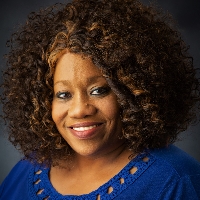
North Carolina · 15 yrs exp
Compassionate, client-centered care for complex emotions
Stress, Anxiety · Trauma and abuse · Grief · Self esteem · +11 more
Read profile
North Carolina · 18 yrs exp
Experienced counselor who listens first
Stress, Anxiety · Addictions · Trauma and abuse · Anger · +13 more
Read profile
Illinois · 28 yrs exp
Compassionate, client-centered counseling for life changes
Stress, Anxiety · Relationship · Grief · Self esteem · +8 more
Read profile
Arizona · 30 yrs exp
Supportive client-centered counselor
Stress, Anxiety · Trauma and abuse · Self esteem · Career · +11 more
Read profile
Texas · 4 yrs exp
Person-centered care for emotional challenges
Stress, Anxiety · Addictions · Relationship · Family · +3 more
Read profile
North Carolina · 25 yrs exp
Helping people find steady, practical support
Stress, Anxiety · Addictions · Family · Trauma and abuse · +11 more
Read profile
Oregon · 17 yrs exp
Careful, person-focused therapy for emotional healing
Stress, Anxiety · Trauma and abuse · Grief · Intimacy-related issues · +1 more
Read profile
Illinois · 25 yrs exp
Hopeful, practical counseling for everyday life
Stress, Anxiety · Grief · Parenting · Self esteem · +1 more
Read profile
New York · 14 yrs exp
Compassionate, practical therapy in New York
Stress, Anxiety · Relationship · Trauma and abuse · Self esteem · +5 more
Read profile
North Carolina · 30 yrs exp
Experienced counselor focused on practical emotional work
Stress, Anxiety · Addictions · LGBT · Trauma and abuse · +1 more
Read profile
New Jersey · 10 yrs exp
Compassionate, practical counseling for life challenges
Stress, Anxiety · Relationship · Family · Parenting · +4 more
Read profile
Colorado · 13 yrs exp
Compassionate, practical therapy for adults
Stress, Anxiety · LGBT · Relationship · Trauma and abuse · +10 more
Read profile
Texas · 12 yrs exp
Relationship and trauma-focused LPC
Relationship · Trauma and abuse · Intimacy-related issues · Parenting · +1 more
Read profile
Wisconsin · 18 yrs exp
Compassionate therapist who focuses on practical change
Stress, Anxiety · Parenting · Self esteem · Depression · +11 more
Read profile
Texas · 8 yrs exp
Experienced LPC focused on clear practical support
Stress, Anxiety · Addictions · Trauma and abuse · Self esteem · +11 more
Read profile
Michigan · 20 yrs exp
Compassionate, practical support for relationship and identity concerns
LGBT · Family · Intimacy-related issues · Parenting · +1 more
Read profile
Florida · 11 yrs exp
Steady listening with practical steps
Stress, Anxiety · Trauma and abuse · Grief · Depression · +8 more
Read profileWhen you search for help with Post-Traumatic Stress you are looking for a professional who will understand the impact of traumatic events on your daily life and your sense of safety. Post-Traumatic Stress can affect thoughts, mood and the way you respond to reminders of what happened. Therapy can be a place to work through these reactions but it does not replace medical care or legal advice; you and a clinician can discuss whether other supports are needed alongside talking therapy.
Client-centred (person-centred) therapy means the therapist follows what matters to you, listens closely and does not direct you, an approach first described by Carl Rogers. In a session that emphasises that stance you may notice the therapist offering open attention, reflecting what you say and supporting your own pace in addressing difficult memories. Sessions can feel like being given space to choose the topic, being heard without judgement and having someone check in with you about how an idea or memory sits with you. That experience can be calming for some people and challenging for others depending on where you are in your process. You should not expect a guaranteed outcome; rather, you can expect a professional context in which your priorities shape what is discussed.
This page brings together profiles of professionals who list Post-Traumatic Stress as a clinical focus and also indicate a client-centred or person-centred orientation. That grouping helps you see therapists who describe trauma-related focus and a listening-based stance in the same profile, but it does not certify any particular expertise or training. A listed topic on a profile signals what the practitioner has recorded about their interests and approaches, not an external endorsement or formal credential in a specific trauma method.
The directory includes professionals who practise across the United States, the United Kingdom and Australia. You will see different terminology and regulatory frameworks reflected in profiles. In the United States practitioners commonly list professional licences such as LCSW, LPC, LMFT or psychologist licensure. In the United Kingdom and Australia therapists may note registration, professional membership or other recognised credentials relevant to those jurisdictions. Academic degrees such as PhD, PsyD, MD, MA or MSW indicate completed study but a degree alone does not establish current permission to practise. When you view a profile, check how the person describes their role, their listed location and any statements they make about the kinds of clients they work with.
When you open a profile you can learn a lot from the language the therapist uses. Useful questions to keep in mind when you read profiles or contact a practitioner include: How do they describe working with trauma and what populations do they mention? Do they explain how a client-centred stance fits with other approaches they list? For example, some therapists note that they draw on additional methods and you might see phrasing such as therapists who list EMDR among their approaches; that phrasing indicates an approach has been recorded but does not speak to certification. Ask how they typically work with someone who has had similar experiences to yours and whether they have experience supporting people from your cultural or identity background.
Ask about practical boundaries and clinical limits in a way that clarifies what you can expect. You might ask: How do you manage strong emotional responses in a session? What do you do if I need more immediate help between sessions? Which age groups or relationship types do you work with? What languages do you use in therapy? These questions help you assess whether a profile’s stated focus areas align with your needs. Keep in mind that a profile’s description is the starting point for a conversation about fit and approach.
If you are considering remote sessions you should discuss practical and clinical details before beginning. Start by asking about the therapist’s listed location and whether their professional permissions allow them to work with clients where you are located, because regulations vary by state and country. Clarify the session format they describe in their profile and how they handle technology, including what platform they use and what to expect if there are connection problems.
You should also discuss how they approach safety and crisis situations in a way that makes sense to you. That conversation can cover whether you will create a plan together for moments of acute distress, how they prefer to be contacted for urgent concerns, and what local emergency resources they recommend based on your listed location. Talk about practicalities such as session length, how they structure sessions that feel overwhelming and what they describe as their therapeutic style. These topics are part of the initial professional conversation and help you decide whether a particular profile aligns with your expectations.
When you compare profiles on this page, look beyond the headline and read the narrative the therapist provides. A profile that explains how client-centred listening shows up in sessions gives you a sense of style: do they emphasise reflective listening, collaborative goal setting or more directive strategies? Determine which descriptors matter most to you and frame comparison questions accordingly. For focus areas, check whether Post-Traumatic Stress is listed alongside related concerns you want addressed, such as anxiety, mood or interpersonal difficulties, but remember that a listed topic does not guarantee work with children, couples or families unless the profile explicitly states that scope.
Pay attention to languages spoken and cultural competency statements if communicating in a particular language or working with specific cultural factors is important to you. Look at credentials as context: degrees such as PhD, PsyD, MD, MA or MSW show formal study, while licence or registration names indicate jurisdictional permission to practise in certain places. Profiles sometimes describe typical client demographics, therapy pacing and the kinds of goals a person-centred therapist might support. Use concrete comparison questions like: Which approaches does each therapist list, and do they explain how those approaches interact with a person-centred stance? Which communities or age ranges do they mention? What languages do they offer? Which listed location and jurisdictional notes apply to you? These targeted comparisons will help you narrow profiles to those worth contacting for an initial conversation.
Finally, remember that a profile is a summary and the clearest information comes from a direct conversation with the practitioner. Use the details you read here to identify profiles that reflect what matters most to you, then reach out to discuss how they work in practice and whether their style feels like a fit for your needs.
Alabama
48 therapists
Alaska
2 therapists
Arizona
25 therapists
Arkansas
23 therapists
Australia
58 therapists
California
275 therapists
Colorado
72 therapists
Connecticut
20 therapists
Delaware
5 therapists
District of Columbia
5 therapists
Florida
228 therapists
Georgia
65 therapists
Hawaii
8 therapists
Idaho
19 therapists
Illinois
114 therapists
Indiana
40 therapists
Iowa
15 therapists
Kansas
21 therapists
Kentucky
29 therapists
Louisiana
56 therapists
Maine
18 therapists
Maryland
49 therapists
Massachusetts
45 therapists
Michigan
98 therapists
Minnesota
35 therapists
Mississippi
33 therapists
Missouri
82 therapists
Montana
16 therapists
Nebraska
9 therapists
Nevada
11 therapists
New Hampshire
12 therapists
New Jersey
74 therapists
New Mexico
15 therapists
New York
139 therapists
North Carolina
71 therapists
North Dakota
4 therapists
Ohio
58 therapists
Oklahoma
49 therapists
Oregon
21 therapists
Pennsylvania
99 therapists
Rhode Island
1 therapist
South Carolina
43 therapists
South Dakota
5 therapists
Tennessee
38 therapists
Texas
339 therapists
United Kingdom
1272 therapists
Utah
19 therapists
Vermont
8 therapists
Virginia
57 therapists
Washington
47 therapists
West Virginia
3 therapists
Wisconsin
37 therapists
Wyoming
15 therapists