- Client-centered approach
- Values based work
- Skill building
About Stephen
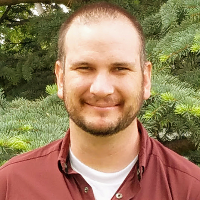
Stephen Bunnell is a Licensed Clinical Social Worker (LCSW) practicing in Idaho. He focuses on everyday problems like stress, anxiety, relationship struggles, addiction, and grief. Stephen aims to build a caring, nonjudgmental relationship that centers the client’s point of view and strengths.
He uses Client-Centered Therapy as a foundation, helping people name their values and rely on internal strengths to move forward. He also draws on Acceptance and Commitment Therapy to help people accept difficult thoughts while committing to meaningful actions. Dialectical Behavior Therapy skills are used when people need tools for emotion regulation and interpersonal effectiveness.
Stephen has worked in multiple states and community settings, including work related to mental and behavioral health, addiction, personality disorders, rural life, and homelessness. That background informs a practical, down-to-earth approach to common life challenges. He emphasizes connection - to values, relationships, spirituality, the present moment, nature, and the self - as a pathway to change.
Sessions focus on what matters now and what someone wants next. Conversations aim to clarify values, develop coping skills, and make small, achievable changes. Stephen treats each person as the expert on their life and partners with them to find workable steps forward.
He holds an LCSW credential and brings six years of clinical experience to his work in Idaho.
How these approaches translate to online therapy
Stephen commonly uses Client-Centered Therapy, Acceptance and Commitment Therapy (ACT), and Dialectical Behavior Therapy (DBT) in his work. Client-Centered Therapy focuses on listening closely and reflecting what matters to the client so they can identify their own solutions and goals. ACT helps people notice and accept difficult thoughts while choosing actions that match their values. DBT offers concrete skills for managing intense emotions, reducing impulsivity, and improving communication.Finding the right approach is part of the therapeutic process. Stephen works collaboratively to match methods to a person’s goals, needs, and preferences rather than prescribing a single route up front. He checks in and adjusts the plan as people try strategies and report what does and does not help.
The practical benefits of online work can include fitting sessions into a busy week, reducing travel time, and using brief check-ins when a shorter contact is useful. The original biography did not specify which session formats are offered, so confirm current online and in-person options before booking. Online sessions can still focus on values, skills practice, and problem solving in the same straightforward way as in-person care.
Areas of expertise
Primary focus
Also works with
Additional focus areas
Therapeutic approaches
Experience
6+ years
Listed in
Idaho, Utah, Washington, Arizona
Languages
English
Frequently asked questions
What kinds of concerns does Stephen address?
He works with stress, anxiety, depression, addictions, relationship issues, grief, parenting concerns, ADHD, bipolar, and related challenges.
What is his general therapeutic style?
Stephen uses a caring, nonjudgmental, client-centered style that focuses on a person’s values and strengths.
What experience does he bring?
He has six years of clinical experience and has worked in multiple states and community settings on mental health and behavioral challenges.
Where does he practice and what are his credentials?
He practices in Idaho and holds the credential LCSW with licensure in Arizona and Utah noted in his background.
In which languages are sessions offered?
Sessions are offered in English.
What session formats are available?
The original biography does not list specific session formats; please confirm current session options before booking.
How are costs handled?
Fees vary with location and therapist availability; sessions use a subscription that can be canceled at any time.
How do I begin working with him?
Click the Start Therapy button, complete a short matching questionnaire, and schedule according to the therapist's availability.
Online talk therapy is not emergency care. If you are in danger, use the crisis numbers.