- Client-centered listening
- Practical coping tools
- Trauma-informed care
About Marsha
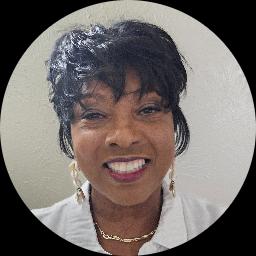
Marsha Edwards is a Licensed Professional Counselor (LPC) with 13 years of experience in counseling, teaching, and educational support. She draws on that background to help people who are struggling with stress, anxiety, grief, depression, and relationship or intimacy concerns. Her work aims to create a calm, nonjudgmental space where clients can begin to make small, meaningful changes.
She uses Client-Centered Therapy as a core guiding approach, listening closely to each person’s experience and priorities. Marsha also blends cognitive behavioral ideas and mindfulness practices to help people notice unhelpful patterns and try new ways of responding. Sessions are focused on practical steps a person can take between meetings as well as on understanding deeper feelings.
Marsha describes her style as trauma-informed and compassionate. She works at the client’s pace and focuses on personal development and coping skills. That may include learning tools for emotion regulation, communication, and rebuilding routines after a major life change.
People come to her for a range of concerns including anger, caregiving stress, body image, and life purpose questions. She also supports those facing family of origin issues, divorce or separation, and attachment-related struggles. Her approach aims to balance short-term goals with longer-term growth.
Marsha practices in Texas and conducts therapy in English. To begin, prospective clients complete a short matching questionnaire and schedule according to therapist availability. The practice uses a subscription model that can be canceled at any time.
How Marsha’s Approaches Work Online
Marsha blends Client-Centered Therapy with Cognitive Behavioral Therapy (CBT) to support practical change. Client-Centered Therapy focuses on listening and following the client’s lead, helping people feel understood so they can name what matters most. CBT involves noticing thought and behavior patterns and trying small experiments to change unhelpful habits, which can help with anxiety, depression, and relationship struggles.She also uses mindfulness techniques to help people become steadier in the moment. Mindfulness practices teach simple attention and breathing habits that can reduce reactivity and make it easier to use new coping skills between sessions.
Finding the right approach is a team effort. The therapist will work with each person to choose and adjust methods based on goals, needs, and preferences. That collaboration may mean combining listening-focused work with skill-building exercises so progress feels both meaningful and doable.
Session format options are not specified in the original biography, so confirm current session choices before booking. Online therapy can make it easier to fit appointments into a busy day, save travel time, and allow for shorter check-ins when needed. Licensed professionals often adapt homework and practices so they fit into real life and daily routines.
Areas of expertise
Primary focus
Also works with
Additional focus areas
Therapeutic approaches
Experience
13+ years
Listed in
Texas
Languages
English
Frequently asked questions
What kinds of concerns does she help with?
She works with stress, anxiety, trauma and abuse, grief, depression, relationship and intimacy-related issues, anger, and coping with life changes.
How would you describe her therapy style?
The approach is client-centered and trauma-informed, mixing listening and support with CBT and mindfulness techniques to build practical coping skills.
What is her professional background?
She has 13 years of experience in counseling, teaching, and educational support and practices as a Licensed Professional Counselor.
Where is she based and what credential does she hold?
She practices in Texas and holds the LPC credential, listed as TX LPC.
Which languages are supported for sessions?
Sessions are offered in English.
Can people from other countries work with her?
International clients are not currently accepted.
How are sessions priced?
Cost varies with location and therapist availability and sessions use a subscription that can be canceled at any time.
What are the first steps to start therapy?
Use the Start Therapy button, complete a short matching questionnaire, and then schedule sessions according to the therapist's availability.
Online talk therapy is not emergency care. If you are in danger, use the crisis numbers.