- Person-centered approach
- Works with trauma
- Speaks three languages
About Zvonka
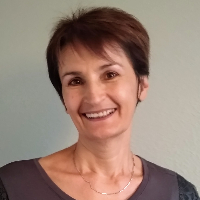
Dr. Zvonka Jakopovic is an LPC with three decades of clinical experience. She uses a straightforward, person-centered style and helps people who are feeling stuck or overwhelmed. Many clients come for help with stress, anxiety, grief, depression, trauma, relationship concerns, and caregiving strain.
She trained in marriage and family counseling and holds a doctoral degree in that field. Over the years she has worked with adults and adolescents in individual and group settings. Her background includes supporting people through serious health challenges and end-of-life concerns.
In sessions she emphasizes listening, building practical skills, and naming next steps. Techniques come from Client-Centered Therapy and Cognitive Behavioral Therapy, among other approaches, and are used to fit each person's situation. Conversations aim to make feelings easier to manage and decisions clearer.
Her practice addresses a wide range of topics including addictions, bipolar mood concerns, intimacy and commitment issues, family of origin problems, and forgiveness work. She also helps with life purpose questions and coping with major life changes.
Dr. Jakopovic offers counseling in English, Croatian, and Serbian. She works from Texas and accepts international clients. To begin, visitors follow the platform's sign-up flow and schedule a first appointment.
How these approaches guide online counseling
Client-Centered Therapy focuses on listening, understanding, and following the client's lead. It helps people feel heard and clarifies what matters most to them, which can be useful for stress, grief, and relationship concerns.Cognitive Behavioral Therapy (CBT) looks at thoughts and behaviors together and teaches practical tools to reduce anxiety, manage mood swings, and change unhelpful patterns. CBT sessions often include exercises and small homework tasks to try between meetings.
Finding the right approach is a shared process. The therapist will work with each person to choose methods that fit their goals, preferences, and day-to-day life. That means trying ideas, checking in, and adjusting the plan as progress unfolds.
If you are considering online therapy, confirm which session formats are offered before booking. Online work can make it easier to fit appointments into a busy week, allow more frequent short check-ins, or reduce travel time. For some people, phone or video sessions help maintain momentum between in-person care or make it simpler to attend during work breaks. Discussing scheduling and format options at the start helps ensure sessions fit into everyday routines.
Areas of expertise
Primary focus
Also works with
Additional focus areas
Therapeutic approaches
Experience
30+ years
Listed in
Texas
Languages
English, Croatian, Serbian
Frequently asked questions
What concerns does this therapist address?
She addresses stress, anxiety, trauma and abuse, grief, depression, addictions, family and intimacy-related issues, anger, self-esteem, bipolar disorder, and coping with life changes.
What is her therapeutic style like?
The approach is person-centered and direct, focusing on listening first and then building practical skills. Methods from Client-Centered Therapy and CBT are blended to match individual needs.
How long has she been practicing?
She brings 30 years of clinical experience and a background in marriage and family counseling to her work with adults and adolescents.
Where is she based and what credential does she hold?
She practices from Texas and holds the LPC credential, listed as TX LPC.
Which languages can sessions be held in?
Sessions are offered in English, Croatian, and Serbian.
Can people outside the U.S. work with her?
She accepts international clients; confirm any time-zone or licensing details when scheduling.
How are sessions priced?
Cost varies with location and therapist availability; sessions use a subscription model that can be canceled at any time.
What are the first steps to begin therapy?
Click the Start Therapy button, complete a short matching questionnaire, and then schedule a session according to the therapist's availability.
Online talk therapy is not emergency care. If you are in danger, use the crisis numbers.