- Client-centered listening
- Practical coping skills
- English and Spanish
About Veronica
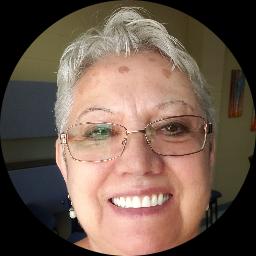
Veronica Briody is a California licensed marriage and family therapist with eight years of experience. She focuses on helping people manage anxiety, depression, grief, trauma, and the stress of life transitions. Veronica speaks English and Spanish and aims to make therapy approachable for people from different backgrounds.
Her work centers on listening and responding to what each person brings to the room. She uses Client-Centered Therapy to follow the client’s lead and create a respectful, nonjudgmental space. That means sessions often begin by asking what matters most and shaping the work around personal goals.
Veronica also draws on cognitive behavioral techniques and acceptance and commitment therapy to offer practical tools. These approaches can help with unwanted thoughts, emotional overwhelm, and learning new ways to cope. Mindfulness practices are used to build awareness and calm when stress feels intense.
Attachment-based ideas guide work on relationships and long-standing patterns that affect connection and trust. Veronica often helps people untangle family of origin issues, communication problems, and codependency so they can try different ways of relating.
Her practice is attentive to cultural and immigration-related concerns, and she supports caregivers and people facing aging or bereavement challenges. To start, she encourages a simple conversation about goals so clients know what the first steps will look like.
Therapeutic approaches and online care
Veronica uses Client-Centered Therapy to follow what matters to the person in front of her, creating space for people to name goals and steer the work. Acceptance and Commitment Therapy (ACT) is used to help people notice painful thoughts without being controlled by them and to move toward values-based action.She also draws on attachment-based ideas when relationship patterns or family history are central concerns, helping people recognize long-standing interaction styles and try different ways of connecting. Finding the right mix of approaches is a collaborative process; the therapist will ask about needs, goals, and preferences and then suggest methods to try together.
If you are considering online therapy, confirm the current session options before booking so you know which formats are offered. Online work can make it easier to fit sessions into busy schedules, allow shorter check-ins when needed, and reduce travel time. Many people find remote sessions helpful for maintaining consistency and using tools between meetings while the therapist and client adapt the approach to real-life routines.
Areas of expertise
Primary focus
Additional focus areas
Therapeutic approaches
Experience
8+ years
Listed in
California
Languages
English, Spanish
Frequently asked questions
What kinds of concerns does Veronica work with?
She helps people with stress, anxiety, depression, trauma and abuse, grief, and family-related issues. Additional areas include body image, caregiver stress, codependency, migration challenges, and isolation.
How would you describe her therapy style?
Her style is compassionate and client-centered, prioritizing listening and collaboration. She combines practical tools with reflective conversation to meet each person where they are.
What experience does she bring to sessions?
She has eight years of clinical experience working with diverse emotional and relational issues. That background informs a flexible approach to common life stresses and trauma.
What credentials and location are listed?
She is an LMFT, which stands for Licensed Marriage and Family Therapist, practicing in California.
Which languages are supported in sessions?
Sessions are offered in English and Spanish.
Can international clients work with her?
She is not accepting international clients at this time.
How does pricing and payment work?
Cost varies with location and therapist availability, and sessions are billed through a subscription that can be canceled at any time.
How do I begin working together?
Click the Start Therapy button, complete a short matching questionnaire, and then schedule according to the therapist's availability.
Online talk therapy is not emergency care. If you are in danger, use the crisis numbers.