- Client-centered approach
- Practical coping skills
- Trauma-aware support
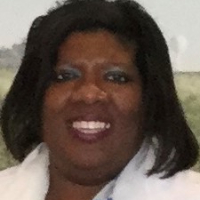
About Treva
Treva Ross-Sanders is a licensed professional counselor (LPC) in Arkansas with 25 years of experience. She helps people facing stress, anxiety, depression, addictions, relationship problems, grief, parenting strain, and mood concerns. Her style is warm and accepting, aiming to create a supportive setting where people can begin change.
She uses Client-Centered Therapy to follow each person's pace and perspective. She also draws on Cognitive Behavioral Therapy and trauma-focused approaches to help people notice patterns and build new coping skills. Treva emphasizes practical steps - identifying problems, practicing new responses, and tracking small changes.
Her work often includes people managing trauma and abuse, dual-diagnosis concerns, career and job adjustment, abandonment and attachment issues, and struggles with impulse control or shame. She helps clients who are dealing with ADHD-related challenges, compassion fatigue, and disruptive mood issues as well.
Treva describes therapy as a journey of self-introspection and exploration. She offers steady support while people test new ways of thinking and acting. Sessions focus on concrete skills and real-life adjustments that fit each person’s goals.
Treva holds an Arkansas LPC credential and has a background in rehabilitation counseling and case management. She practices in Arkansas and provides care in English. To begin, she asks people to complete a brief matching questionnaire and schedule sessions according to availability.
How Treva’s Approaches Translate to Online Work
Treva commonly uses Client-Centered Therapy and Cognitive Behavioral Therapy in her work. Client-Centered Therapy focuses on listening closely, reflecting what a person says, and supporting their pace of change. It helps when someone needs acceptance and a chance to sort out their priorities. Cognitive Behavioral Therapy looks at links between thoughts, feelings, and actions and teaches practical skills to change unhelpful patterns; it can be useful for anxiety, depression, and behavior shifts.Choosing the right approach happens together. The therapist will ask about goals, current struggles, and what feels helpful. From there they collaboratively try ways of working and adjust the approach if needed so sessions fit the person's needs and preferences.
Confirm the exact online session options before booking, as formats are not listed in the biography. Online care can make therapy easier to fit into day-to-day life - for example it can reduce travel time, allow shorter check-ins between work tasks, or let someone avoid camera use when they prefer. Licensed professionals can adapt Client-Centered and CBT techniques for remote sessions so practical skill-building and reflective conversations can continue when meeting remotely.
Areas of expertise
Primary focus
Also works with
Additional focus areas
Therapeutic approaches
Experience
25+ years
Listed in
Arkansas
Languages
English
Frequently asked questions
What concerns does Treva commonly help with?
She works with stress, anxiety, depression, trauma and abuse, addictions, relationship and intimacy issues, grief, parenting strain, mood disorders including bipolar, and related concerns.
How would you describe her therapeutic style?
Her style is warm and accepting, rooted in Client-Centered Therapy. She pairs that with practical methods to help people try new behaviors and manage thoughts and emotions.
What kind of experience does she bring?
She has 25 years of experience in counseling and case management, including work with rehabilitation counseling and dual-diagnosis situations.
What are her credentials and where is she based?
She holds an LPC credential in Arkansas and practices there.
Which languages are sessions offered in?
Sessions are offered in English.
Can people from other countries work with her?
She does not accept international clients.
How are sessions priced or paid for?
Cost varies with location and therapist availability; sessions use a subscription that can be canceled at any time.
What is the first step to start therapy?
Select the Start Therapy button, complete a short matching questionnaire, and then schedule according to therapist availability.
Online talk therapy is not emergency care. If you are in danger, use the crisis numbers.