- Client-centered care
- Trauma-informed approach
- Addiction recovery support
About Polly
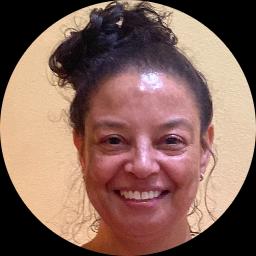
Polly Parks is a licensed clinical social worker in California who uses a client-centered stance to help people work through difficult moments. She focuses on clear, practical conversation and steady support for concerns like depression, anxiety, grief, anger, and issues that affect LGBT people. Polly draws on 14 years of professional experience and keeps a calm, respectful presence in sessions.
Her approach centers on listening and following each person's goals. She combines client-centered methods with trauma-focused work and emotion-focused strategies when those fit the need. This means she helps people name feelings, make sense of painful memories, and try small changes that matter day to day.
Polly also brings experience supporting people with substance use and recovery concerns. She has personal long-term recovery from alcohol and works knowledgeably with 12-step traditions and alternatives like SMART recovery. She understands how addiction, shame, and guilt can affect relationships and sense of self.
She has worked in the aftermath of community trauma, including the Saugus High School incident in Santa Clarita, and she is active in professional organizations related to social work and transgender health. Polly completed the California Telehealth Training required by the Board of Behavioral Sciences and offers sessions in English.
Her schedule includes afternoon and evening hours and weekend slots, with Wednesdays and Thursdays off. To begin, clients follow the site's matching steps and book a time that fits their schedule.
How client-centered and trauma-informed care works online
Client-centered therapy focuses on following the person's lead, offering nonjudgmental listening and support to help clarify goals and next steps. It is useful when someone needs a space to be heard and to work out choices about relationships, identity, or everyday stress.Acceptance and Commitment Therapy (ACT) helps people notice difficult thoughts and feelings without being ruled by them, then choose actions that match their values. This approach is often helpful for anxiety, mood concerns, and problems that involve avoidance. Emotionally-Focused Therapy (EFT) looks at how emotions shape connections and internal experience; it can help people name and sit with strong feelings and work toward clearer emotional responses.
Finding the right approach is a collaborative process. The therapist will talk with the person about their goals, preferences, and what feels most useful, then try methods that fit. Sessions can adapt over time as needs change.
This listing does not specify which session formats are used, so confirm current options before booking. Many people find online sessions easier to fit into busy schedules, like having appointments in the evenings or on weekends, or avoiding travel time. Other practical benefits include the ability to use shorter check-ins when needed, to choose audio-only when video is difficult, and to schedule around work or caregiving commitments.
Areas of expertise
Primary focus
Additional focus areas
Therapeutic approaches
Experience
14+ years
Listed in
California
Languages
English
Frequently asked questions
What kinds of concerns can Polly help with?
She supports people facing depression, anxiety, grief, anger, and concerns affecting LGBT individuals, along with related issues like substance use, isolation, and sexuality.
How would you describe her therapeutic style?
Polly uses a client-centered approach that emphasizes listening and following the client's goals, and she integrates trauma-focused and emotion-focused work when appropriate.
What is her professional background?
She has 14 years of professional therapeutic experience and has worked with community trauma situations such as the Saugus High School incident in Santa Clarita.
What credentials and location are listed?
Polly holds the LCSW credential and practices in California.
Which languages are available for sessions?
Sessions are offered in English.
Are international clients accepted?
International clients are not currently accepted.
How does billing and cost work?
Cost varies with location and therapist availability; sessions use a subscription that can be canceled at any time.
What are the steps to get started?
Use the Start Therapy button, complete a short matching questionnaire, and schedule a session according to therapist availability.
Online talk therapy is not emergency care. If you are in danger, use the crisis numbers.