- Client-centered approach
- Practical coping skills
- Trauma-informed care
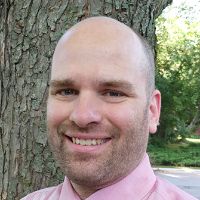
About Paul
Paul Schroeder-Haag began his path into therapy after many life experiences convinced him he could help others navigate hard times. He is a Licensed Professional Counselor, LPC, practicing in Wisconsin. He brings seven years of clinical experience and a relaxed, approachable manner to sessions.
He earned a master's degree in criminal justice in 2006 and later completed a master's in counseling in 2013. Those degrees shaped his thinking and gave him practical tools he now uses with clients. He has worked in a variety of settings and with people facing difficult circumstances, including homelessness and addiction.
Paul focuses on problems such as anxiety, depression, stress, grief, trauma and addiction. He also helps people dealing with parenting strain, fatherhood issues, relationship struggles, intimacy concerns, anger, and low self-esteem. He pays attention to each person's specific story before choosing how to work together.
In sessions he draws on multiple approaches to match what someone needs. He uses Client-Centered Therapy to create a respectful, listening-first space. He also uses cognitive behavioral techniques, mindfulness practices, solution-focused strategies, and trauma-focused methods when they fit the situation.
Paul aims to be easy to talk to and works to understand a person's background and goals. He balances life experience with ongoing study so he can offer practical ways forward. People who prefer a calm, straightforward style may find his approach helpful.
How therapeutic approaches translate to online work
Client-Centered Therapy focuses on listening, understanding, and creating a nonjudgmental space. In practice this means the therapist follows the person’s lead, reflects what they say, and prioritizes their needs and pace. It helps when someone needs acceptance and time to tell their story.Cognitive Behavioral Therapy, or CBT, looks at thoughts and behaviors that keep problems going. It uses practical exercises and small experiments to shift unhelpful patterns, which can help with anxiety, panic, and low mood. Mindfulness Therapy brings attention to the present moment through simple exercises that reduce reactivity and improve emotional calm.
Deciding which approach to use is collaborative. The therapist will talk with each person about goals, preferences, and what has or hasn’t helped in the past. Together they choose methods and adjust over time if something isn’t working.
If you are considering online sessions, confirm the exact session formats before booking since the biography does not list them. Online work can make it easier to fit therapy into busy days, reduce travel time, and allow shorter check-ins when needed. Licensed professionals can use remote sessions to deliver the same conversational work, guided exercises, and homework activities they would use in person, adapted to the online setting.
Areas of expertise
Primary focus
Also works with
Additional focus areas
Therapeutic approaches
Experience
7+ years
Listed in
Wisconsin
Languages
English
Frequently asked questions
What kinds of concerns does he help with?
He works with a range of issues including anxiety, depression, stress, grief, trauma and addictions, along with parenting and relationship challenges.
How would you describe his therapeutic style?
He uses a relaxed, listening-first style and adapts methods to each person, blending client-centered care with practical techniques.
What is his professional background?
He holds a master’s degree in criminal justice and a master’s in counseling and has seven years of clinical experience.
What credentials and location are on record?
He is an LPC, Licensed Professional Counselor, practicing in Wisconsin.
Which languages are supported for sessions?
Sessions are offered in English and international clients are accepted.
What session formats are available?
The original biography does not list specific session formats, so confirm current session options with the service before booking.
How is cost handled for sessions?
Rates vary by location and availability; sessions use a subscription model that can be canceled at any time.
How do I begin working with him?
Click the Start Therapy button, complete the short matching questionnaire, and schedule according to the therapist’s availability.
Online talk therapy is not emergency care. If you are in danger, use the crisis numbers.