- Client-centered approach
- Practical coping skills
- Trauma-informed care
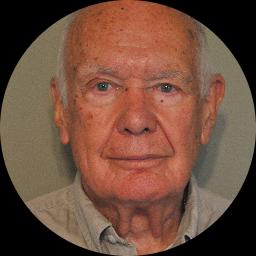
About Paul
Paul D. Wess is a licensed professional clinical counselor with three decades of experience. He holds a master’s degree in psychology and a master’s degree in sociology, plus a certificate that reflects extensive doctoral-level study. Paul focuses on helping people who are struggling with stress, anxiety, trauma, mood concerns, and relationship difficulties.
His work often centers on trauma and the symptoms that can come with it, such as depression, panic, and problems with intimacy. Sessions attend to body, mind, emotions, and spirit in straightforward, practical ways. Paul aims to help people find more clarity and balance in day-to-day life.
Paul uses several approaches depending on what the person needs. Client-Centered Therapy is part of his practice, which means he pays close attention to each person's experience and preferences. He also draws from Acceptance and Commitment Therapy, Cognitive Behavioral Therapy, Dialectical Behavior Therapy, and Existential Therapy when they fit the goals at hand.
He brings thirty years of clinical experience to the work and integrates developmental perspectives to make sense of current struggles. That background helps when addressing issues such as abandonment, attachment patterns, anger, addiction, and grief.
Sessions are offered in English and Estonian and take place with Paul in Ohio. People can expect a conversational, collaborative style that focuses on practical steps and clearer understanding. The aim is steady progress toward greater self-awareness and stronger coping skills.
How different approaches guide online work
Client-Centered Therapy focuses on the person in front of the therapist. It emphasizes listening, respect, and following the client's pace to help them feel heard and better understand themselves. Acceptance and Commitment Therapy, or ACT, teaches ways to notice difficult thoughts and feelings while still moving toward meaningful life goals. It can help with anxiety, depression, and problems that come from avoiding painful emotions.Cognitive Behavioral Therapy, or CBT, looks at the link between thoughts, feelings, and actions and offers practical techniques to reduce symptoms and change unhelpful patterns. It is often used for anxiety, panic, mood swings, and managing stress.
Finding the right approach is part of the work together. Paul will talk with each person about goals, preferences, and daily life, then suggest methods that fit. That decision is collaborative and can change as progress happens.
The therapist's biography does not list specific online formats, so confirm current session options before booking. In general, online therapy can make it easier to fit sessions into a busy week, reduce travel time, and allow shorter check-ins when needed. It also makes it possible to continue work during life changes while keeping the focus on steady coping skills and emotional clarity.
Areas of expertise
Primary focus
Also works with
Additional focus areas
Therapeutic approaches
Experience
30+ years
Listed in
Ohio
Languages
English, Estonian
Frequently asked questions
What concerns does Paul address in sessions?
He works with a wide range of concerns including stress, anxiety, trauma and abuse, depression, bipolar and mood disorders, addictions, relationship and intimacy-related issues, grief, and self-esteem.
How would you describe his therapeutic style?
Paul uses a conversational, person-focused style rooted in Client-Centered Therapy and related approaches. He aims to listen closely and help people identify practical steps for coping and change.
What is his professional background?
Paul has 30 years of clinical experience, master’s degrees in psychology and sociology, and a certificate reflecting substantial doctoral-level study.
Where is Paul licensed and based?
He is an Ohio LPCC, listed as OH LPCC, and practices in Ohio.
Which languages are supported in therapy?
Sessions are offered in English and Estonian. International clients are not currently accepted.
What session formats are available?
The original biography does not specify session formats; please confirm current session options with the service before booking.
How are fees and payment handled?
Cost varies with location and therapist availability; sessions use a subscription that can be canceled at any time.
How do I begin working with him?
Start by selecting the Start Therapy button, complete a short matching questionnaire, and schedule according to therapist availability.
Online talk therapy is not emergency care. If you are in danger, use the crisis numbers.