- Warm and interactive
- Values-based work
- Trauma aware
About Michael
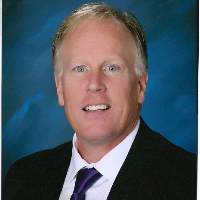
Michael Rhine is a Washington-based licensed mental health counselor (LMHC) with 27 years of experience. He aims to make the first step feel manageable and respectful for people facing stress, anxiety, depression, addiction, trauma, parenting strain, or career concerns. His tone is warm and nonjudgmental. He focuses on listening and understanding each person's story before making a plan.
In sessions he keeps things interactive and down-to-earth. He draws on Client-Centered Therapy to follow what matters most to the person in the room. He also uses techniques from cognitive behavioral therapy and acceptance and commitment therapy to help people change unhelpful patterns and act on their values.
Michael has long experience working with trauma, adverse childhood experiences, and substance use issues, alongside relationship and family of origin concerns. He helps people address caregiver stress, codependency, anger, and issues around fatherhood and separation. He prefers to avoid labels and to tailor each plan to the individual’s needs.
Practical tools and steady support are part of his work. That can mean building skills for coping with overwhelming emotions, practicing new ways to handle conflict, or setting small, achievable goals for career or life changes. He aims to empower people rather than direct them.
He invites anyone ready to try counseling to take the next step. The early sessions focus on listening, clarifying goals, and deciding together what approach will fit best.
How his approaches translate to online work
Client-Centered Therapy starts from the person’s own priorities and perspective. In online sessions that means the therapist listens closely, helps people name what matters, and shapes sessions around those goals. Acceptance and Commitment Therapy (ACT) focuses on values and taking action; online work with ACT often centers on small steps and exercises people can use between meetings. Cognitive Behavioral Therapy (CBT) looks at patterns of thought and behavior; online CBT typically involves practicing new skills and tracking progress between appointments.Finding the right approach is part of the process. The therapist will collaborate with the client to decide which methods fit best for their situation, goals, and preferences. Early sessions are used to clarify goals and try strategies so adjustments can be made as needed.
Session formats are not specified here, so confirm current options before booking. Online work can help fit therapy into a busy life by reducing travel time, making it easier to schedule around work or caregiving, and allowing shorter check-ins when appropriate. It also makes it simpler to use tools and exercises in real-world settings between meetings.
Areas of expertise
Primary focus
Also works with
Additional focus areas
Therapeutic approaches
Experience
27+ years
Listed in
Washington
Languages
English
Frequently asked questions
What concerns does he help with?
He works with stress, anxiety, depression, addictions, trauma and abuse, parenting strain, relationship and family issues, anger, self-esteem, career matters, and life transitions.
What is his therapeutic style like?
His style is warm, interactive, and nonjudgmental. He uses Client-Centered Therapy alongside practical methods to help people set and reach goals.
How much experience does he have?
He has 27 years of counseling experience and many years working with trauma, adverse childhood experiences, and addictions.
What are his credentials and location?
He is a licensed mental health counselor (LMHC) licensed in Washington and practices from that state.
Which languages are supported?
Sessions are offered in English.
Can international clients work with him?
He does not accept international clients at this time.
How are sessions paid for and what does it cost?
Cost varies with location and therapist availability; sessions use a subscription that can be canceled at any time.
How do I begin working with him?
Click the Start Therapy button, complete a short matching questionnaire, and schedule sessions based on the therapist's availability.
Online talk therapy is not emergency care. If you are in danger, use the crisis numbers.