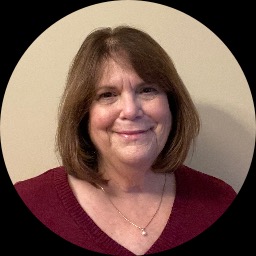
- 35 years experience
- Client-centered care
- Stress and trauma
About Mary
Mary Frances Hudson is a licensed clinical social worker with 35 years of practice. She helps people who are struggling with stress, anxiety, grief, depression, trauma, and major life changes. She invites clients to bring their own goals and priorities to each conversation.
She frames the work around the belief that each person knows their story best. Sessions focus on identifying strengths and building on what already works in daily life. That might mean learning new skills to manage panic or mood swings, or finding ways to cope after loss.
Her approach blends Client-Centered Therapy with other evidence-based methods. Practical exercises from Cognitive Behavioral Therapy can help change unhelpful thinking. Acceptance and Commitment Therapy tools are sometimes used to clarify values and commit to small steps forward.
Mary Frances also draws on Dialectical Behavior Therapy skills when emotions feel overwhelming and Emotionally-Focused Therapy ideas when connection and attachment are central. She explains options plainly and helps people choose the next step that feels right.
Her style is steady and straightforward. She offers a supportive space for people to talk things through, name what’s hard, and try new ways of coping. Taking the first step often feels hard, and she aims to make that step clearer and more manageable.
How therapeutic approaches translate to online work
Client-Centered Therapy focuses on listening, empathy, and helping the person guide the work; online sessions let that conversation continue without changing its core. Acceptance and Commitment Therapy (ACT) helps people notice thoughts and choose small value-driven steps, which can be practiced between sessions and reviewed online. Cognitive Behavioral Therapy (CBT) breaks problems into thoughts, feelings, and behaviors and uses exercises you can try during the week and bring back to sessions.Choosing the right approach is part of the process. The therapist will work together with each person to match methods to their goals, needs, and comfort level. That collaborative decision can shift over time as progress develops or priorities change.
Session formats are not listed here, so confirm current options before booking. Online work can make it easier to fit therapy into a busy day, allow shorter check-ins when needed, and reduce travel time. It also makes it possible to practice skills in real-life settings and report back during a session. The focus remains on practical steps that support daily life and the goals each person brings to therapy.
Areas of expertise
Additional focus areas
Therapeutic approaches
Experience
35+ years
Listed in
California, Indiana
Languages
English
Frequently asked questions
What concerns does she help with?
She works with stress, anxiety, trauma and abuse, grief, depression, and coping with life changes, plus related issues such as attachment problems, caregiver stress, codependency, substance concerns, and post-traumatic stress.
What is her therapeutic style?
Her style is client-centered and straightforward, focusing on the person's own goals. She blends practical skills work with listening and support.
How much experience does she have?
She has 35 years of professional experience working in clinical settings and helping people manage a range of emotional and life challenges.
What credentials and location apply?
She is an LCSW licensed in Indiana and California as listed, and practices from Indiana.
Which languages are supported?
Sessions are offered in English.
Can international clients work with her?
She does not work with international clients at this time.
How are sessions paid for?
Cost varies with location and therapist availability; sessions use a subscription model that can be canceled at any time.
How do I begin therapy with her?
Click the Start Therapy button, complete a short matching questionnaire, and then schedule sessions according to the therapist's availability.
Online talk therapy is not emergency care. If you are in danger, use the crisis numbers.