- Client-centered care
- Practical coping skills
- Trauma and grief support
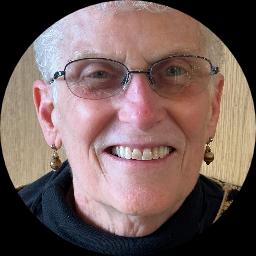
About Kathryn
Kathryn Shumate is a Licensed Professional Counselor with 40 years of experience practicing in Virginia. She focuses on listening carefully and helping people make practical changes when life feels overwhelming. Kathryn aims to create an open, nonjudgmental space where thoughts and feelings can be shared.
Over her career she has supported people facing addictions, grief and loss, trauma and abuse, and challenges related to LGBT concerns. She also helps those navigating major life changes and the stress that comes with caregiving. Her work includes addressing communication struggles, rebuilding self-regard, and processing post-traumatic stress.
Kathryn uses a client-centered approach that emphasizes the person's own experience. Sessions typically focus on understanding what matters most to the client and on building tools that fit their daily life. The aim is steady, practical progress rather than quick fixes.
Her style is warm and supportive while remaining straightforward. She encourages people to name their goals and to try small, doable steps between sessions. The process is collaborative and paced to each individual’s needs.
People often seek Kathryn when they need help sorting through painful events, reducing substance-related harms, or finding ways to cope after loss. Her approach centers on listening first, then helping clients find their own path forward.
How a Client-Centered Approach Works Online
Client-centered therapy emphasizes the client's own perspective and experience. The therapist listens closely, reflects what is said, and helps the person identify their goals. This approach can be helpful for grief, trauma, identity concerns, and struggles with addiction because it centers the person's needs rather than imposing a fixed plan.The work is collaborative by design. Kathryn will help explore which methods feel most useful and adjust the approach as the relationship grows. Finding the right style is part of the therapy process, and choices are made together based on your goals and preferences.
Practical benefits of online therapy include easier scheduling and the ability to fit sessions into a busy week. Online work can reduce travel time and make it simpler to maintain ongoing support. The biography does not list specific session formats, so confirm which options are available before booking. Licensed professionals can adapt client-centered techniques across different formats to help people make steady progress in daily life.
Areas of expertise
Additional focus areas
Therapeutic approaches
Experience
40+ years
Listed in
Virginia
Languages
English
Frequently asked questions
What concerns does Kathryn commonly address?
She supports people dealing with addictions, LGBT issues, trauma and abuse, and grief. Additional areas include caregiver stress, communication problems, forgiveness, and women's issues.
How would you describe the therapy style?
The approach is client-centered, focusing on the client's experience and goals. Sessions emphasize listening, understanding, and practical steps that fit a person's life.
What background does the therapist have?
The therapist has 40 years of professional experience working in counseling and related settings. That experience informs a steady, practical style of care.
What credentials and location are listed?
She is a Licensed Professional Counselor (LPC) licensed in Virginia and practices from that state.
Are sessions available in other languages or countries?
Sessions are offered in English, and international clients are accepted.
What session formats are offered?
The original biography does not specify session formats; please confirm current session options with the therapist before booking.
How does payment and cost work?
Cost varies with location and therapist availability, and sessions use a subscription that can be canceled at any time.
How do I begin working with Kathryn?
Use the Start Therapy button, complete a short matching questionnaire, and schedule sessions according to the therapist's availability.
Online talk therapy is not emergency care. If you are in danger, use the crisis numbers.