- Trauma-informed care
- Skills-focused approach
- Client-centered style
About Holly
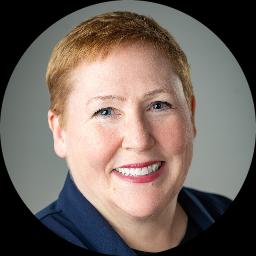
Holly Erskine is a licensed clinical social worker (LCSW) based in Wisconsin. She offers a calm, accepting space for people dealing with stress, anxiety, depression, trauma, low self-esteem, or major life changes. Holly acknowledges the courage it takes to seek help and aims to listen first, then work with each person to define helpful goals.
With 15 years in mental health practice, Holly brings experience supporting people with trauma-related symptoms, post-traumatic stress, complex trauma, mood concerns, and challenges with emotion regulation. She also addresses difficulties tied to family of origin, guilt and shame, dissociation, impulsivity, and social anxiety among other concerns.
Her approach is trauma-informed and collaborative. Holly centers the therapeutic relationship and helps people feel understood before introducing strategies. She uses client-centered principles to follow each person’s pace and priorities, and blends techniques from cognitive behavioral therapy, dialectical behavior therapy, mindfulness, and trauma-focused work when helpful.
Early sessions focus on building trust, answering questions, and forming a shared plan. Treatment often combines practical skills practice with space to process painful memories and reactions. Holly emphasizes skill-building and steady steps toward clearer coping, greater emotional balance, and more meaningful daily routines.
People who choose Holly can expect straightforward conversations, focused skill work, and attention to safety and stabilization while addressing longer-term goals.
How therapeutic approaches shape online care
Client-Centered Therapy focuses on listening, empathy, and following the client’s lead. It helps people feel understood and supported while they set their own goals. Cognitive Behavioral Therapy, or CBT, looks at thinking patterns and teaches practical skills to change unhelpful thoughts and behaviors, which can reduce anxiety and depressive symptoms. Dialectical Behavior Therapy, DBT, emphasizes emotion regulation, distress tolerance, and interpersonal effectiveness skills that help when emotions feel overwhelming.Finding the right approach is a collaborative process. The therapist will work with each person to decide which methods fit their needs and preferences. That decision can shift over time as goals evolve and new issues come up.
If you are considering online therapy, confirm the current session options before booking so you know what formats are offered. Online work can make it easier to fit sessions into a busy week, allow shorter check-ins when needed, and reduce travel time. Many people find remote sessions helpful for accessing consistent, skill-focused treatment and for continuing care when life circumstances change.
Areas of expertise
Additional focus areas
Therapeutic approaches
Experience
15+ years
Listed in
Wisconsin
Languages
English
Frequently asked questions
What concerns does Holly commonly help with?
Holly supports people coping with stress, anxiety, depression, trauma and abuse, low self-esteem, and major life changes, along with related issues like PTSD, dissociation, self-harm, and social anxiety.
How would you describe her therapeutic style?
She uses a trauma-informed, client-centered style that emphasizes listening first, collaborating on goals, and using practical skills alongside processing difficult experiences.
What background and experience does she have?
Holly has 15 years of experience in the mental health field and describes extensive work with trauma-related symptoms, complex trauma, mood disorders, and emotion regulation difficulties.
What are her credentials and where does she practice?
She is a licensed clinical social worker, LCSW, licensed in Wisconsin and practices from that state.
Which languages are sessions offered in?
Sessions are offered in English.
Are international clients accepted?
International clients are not currently accepted.
How is cost handled for sessions?
Cost varies with location and therapist availability; sessions use a subscription model that can be canceled at any time.
What steps are involved to begin working together?
Start by selecting the Start Therapy button, complete a short matching questionnaire, and then schedule appointments according to the therapist's availability.
Online talk therapy is not emergency care. If you are in danger, use the crisis numbers.