- Client-centered
- Skill focused
- Warm support
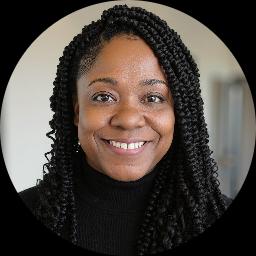
About Fulisha
Fulisha Burks is a licensed clinical social worker (LCSW) who centers her practice on listening and understanding each person's experience. She focuses on creating a respectful, nonjudgmental space where people can talk about stress, anxiety, depression, trauma, grief, and concerns about self-esteem.
Her background includes work with people managing chronic conditions and illness, those facing addiction, and individuals receiving hospice or end-of-life care. She also has experience providing life coaching and supporting people dealing with caregiver strain and workplace stress. This range of experience shapes a practical approach that meets everyday needs.
Fulisha blends Client-Centered Therapy with practical techniques from Cognitive Behavioral Therapy and Dialectical Behavior Therapy. In sessions she helps people notice unhelpful thinking, practice skills for emotional regulation, and make changes that feel manageable. Conversations are paced to fit each person’s needs.
She pays attention to isolation and loneliness, self-love, and life purpose as part of overall wellbeing. Fulisha also works with concerns related to post-traumatic stress, chronic pain, and women’s issues. Her focus is on what the person wants to change and how to get there step by step.
People who choose her can expect straightforward talk, gentle challenge when useful, and goal-focused work alongside supportive listening. Fulisha draws on eight years of clinical experience in Illinois to guide the process while adapting to each person’s priorities and rhythms.
How her approaches work for online therapy
Fulisha uses Client-Centered Therapy to place the person's experience at the center of sessions. That means the conversation is guided by what matters most to the person, with the therapist offering empathy and reflection to help people clarify their goals and feelings.She also draws on Cognitive Behavioral Therapy, which focuses on noticing patterns of thinking and behavior and trying small experiments to change them. CBT can be helpful for anxiety, depression, stress, and workplace or health-related challenges. Dialectical Behavior Therapy contributes practical skills for emotional regulation, distress tolerance, and improving relationships when emotions feel intense.
Finding the right approach is part of the work together. The therapist will talk with each person about their needs, goals, and preferences, and then suggest which methods to try first. This is a collaborative process and can change over time as progress is made.
Confirm current session options before booking so you know how she is meeting with people now. Online sessions can make it easier to fit therapy into a busy life, reduce travel time, and allow shorter check-ins when that works better for a schedule. Licensed professionals can tailor session length and pacing to fit everyday rhythms while focusing on practical steps toward the person's goals.
Areas of expertise
Primary focus
Also works with
Additional focus areas
Therapeutic approaches
Experience
8+ years
Listed in
Illinois
Languages
English
Frequently asked questions
What kinds of concerns does she commonly address?
She helps people with stress, anxiety, depression, trauma and abuse, grief, and self-esteem issues. She also focuses on caregiver strain, chronic illness and pain, loneliness, life purpose, post-traumatic stress, self-love, women's issues, and workplace concerns.
How would you describe her therapeutic style?
Her style is client-centered and collaborative, with practical skill-building from Cognitive Behavioral Therapy and Dialectical Behavior Therapy. Sessions combine listening with tools to manage thoughts, emotions, and behavior.
What experience does she bring to sessions?
She has eight years of experience working in clinical settings and supportive roles. Her background includes care for people with chronic conditions, hospice and end-of-life care, and work related to addiction and life coaching.
Where is she based and what credential does she hold?
She practices in Illinois and holds the credential LCSW, which stands for Licensed Clinical Social Worker.
Can sessions be conducted in other languages?
Sessions are offered in English.
Are international clients accepted?
She is not currently accepting international clients.
How is cost handled for sessions?
Cost varies with location and therapist availability; sessions use a subscription model that can be canceled at any time.
What steps do I take to get started?
Click the Start Therapy button, complete a short matching questionnaire, and then schedule according to therapist availability.
Online talk therapy is not emergency care. If you are in danger, use the crisis numbers.