- Client-centred approach
- Non-judgemental listening
- Practical next steps
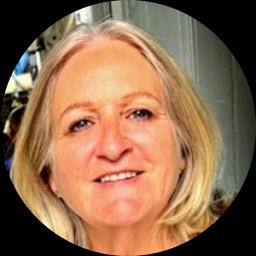
About Debbie
Debbie Griffin is a counsellor working in the United Kingdom with 12 years of experience and the NCPS credential. She focuses on creating a calm space where people can talk about what matters to them. Her approach aims to reduce shame and blame so people can think more clearly about next steps.
She helps with stress and anxiety, low mood and confidence, relationship struggles, and career questions. She also supports people facing life changes, grief, addiction concerns, parenting strains and issues linked to intimacy. Debbie lists ADHD, compassion fatigue and eating concerns among other areas she addresses.
Debbie uses a client-centred therapy approach that keeps the person’s perspective at the centre of sessions. That means conversations are guided by the client’s priorities and at a pace that feels right for them. The counsellor listens actively and reflects what she hears so people can spot patterns and options.
Sessions tend to focus on practical next steps and clearer thinking rather than labels or lengthy readings. Debbie aims to help people build coping skills and small routines that make day-to-day life easier. She works collaboratively and supports people as they try things out between meetings.
People who prefer a calm, non-judgemental space to work through worries often find this style helpful. The first session is usually about understanding what matters most and agreeing simple goals to try.
How client-centred care works online
Client-centred therapy focuses on the person’s own view of their problems and helps them find their own answers. The counsellor listens closely, mirrors back what she hears, and follows the client's lead so sessions reflect what feels most important. This approach suits people who want a respectful, paced space to think through stress, relationships, grief or career choices.That same listening-led approach translates well to online work because the emphasis is on what the client brings rather than on therapist-led tasks. The counsellor will work with each person to decide which ways of meeting feel most comfortable and useful, shaping sessions around goals and preferences in a collaborative way.
Practical benefits of online therapy often include fitting appointments into a busy week and cutting travel time so people can attend more consistently. It can also make shorter check-ins easier when schedules are tight. Confirm the specific session options available before booking so arrangements match your needs.
Areas of expertise
Primary focus
Also works with
Additional focus areas
Therapeutic approaches
Experience
12+ years
Listed in
United Kingdom
Languages
English
Frequently asked questions
What concerns does this counsellor help with?
Areas of focus include stress and anxiety, depression and low self-esteem, relationship and intimacy issues, career difficulties, grief, addictions and parenting strains.
How would you describe the therapeutic style?
The counsellor uses a client-centred approach that keeps the person's priorities at the heart of sessions and emphasises listening and reflection.
What is the counsellor's background and experience?
She has 12 years of professional experience working with people on a range of emotional and practical concerns.
What credentials and location are listed?
The counsellor holds the NCPS credential and practises in the United Kingdom.
Which languages and international arrangements are available?
Sessions are offered in English and the counsellor accepts international clients.
What session formats are offered?
Please confirm current session formats before booking, as the biography does not list specific session types.
How are costs and billing handled?
Cost varies with location and therapist availability; sessions use a subscription that can be cancelled at any time.
How do I begin working with this counsellor?
Click the Start Therapy button, complete the short matching questionnaire, and schedule according to the counsellor's availability.
Online talk therapy is not emergency care. If you are in danger, use the crisis numbers.