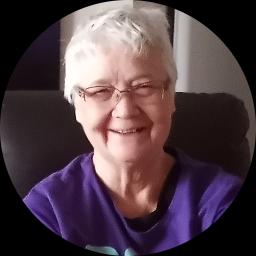
About Darlene
Dr. Darlene Hopkins has spent more than four decades helping people find clearer direction when life gets hard. She holds the LCMHC credential and works from a place of attentive listening and practical guidance. Her approach begins with hearing your story and helping you name what matters most right now.
Dr. Hopkins often focuses on stress, anxiety, relationships, trauma and abuse, self-esteem, and depression. She also addresses concerns such as attachment issues, avoidant and dependent personality patterns, body image, codependency, commitment and communication problems, and challenges linked to chronic illness or pain. Her experience includes work with substance use, eating and food-related issues, dissociation, and situations following divorce or separation.
Her practice uses Client-Centered Therapy alongside Cognitive Behavioral Therapy (CBT). In sessions she listens first, then helps people try new ways of thinking and acting that can reduce distress. The room is meant for honest talk, reflection, and practical steps that a person can take between meetings.
With 43 years of experience in North Carolina, Dr. Hopkins brings long-term perspective to common life struggles. She emphasizes collaboration and supports people who are ready to make changes. To begin, a simple matching process helps pair a person with her and schedule a session that fits timing and needs.
If you want straightforward support and a clinician who listens closely, Dr. Hopkins offers steady guidance and tools to help you move forward.
How Client-Centered and CBT Work Online
Client-Centered Therapy focuses on active listening and creating a space where a person feels heard. The therapist follows the person's lead, reflects back what she hears, and helps the person clarify what they want to change. Cognitive Behavioral Therapy (CBT) looks at how thoughts, feelings, and behaviors interact and suggests experiments and small steps to reduce distress.Finding the right approach is part of the work. Dr. Hopkins collaborates with each person to choose methods that fit their goals and preferences. She adjusts pacing and techniques based on what a person needs and how they respond over time.
The biography does not list specific online session formats, so confirm available options before booking. Online work can make it easier to fit therapy into a busy life by reducing travel and offering more flexible scheduling. It can also allow for shorter check-ins when needed, or sessions that focus on skills practice and real-world problem solving between meetings. Licensed professionals can use these methods to help people manage anxiety, rebuild relationships, and try new ways of coping without promising particular results.
Areas of expertise
Primary focus
Additional focus areas
Therapeutic approaches
Experience
43+ years
Listed in
North Carolina
Languages
English
Frequently asked questions
What concerns does this therapist address?
She focuses on stress, anxiety, relationship struggles, trauma and abuse, self-esteem, and depression. Additional areas include attachment issues, body image, chronic pain and illness, substance and eating concerns, and separation or divorce.
How would you describe the therapeutic style here?
The approach is built on attentive listening and collaboration. Sessions combine Client-Centered Therapy with Cognitive Behavioral Therapy to talk through problems and try practical changes.
What is the clinician's background and experience?
She has 43 years of experience working with people facing a wide range of emotional and life challenges. Her work emphasizes steady support and practical problem solving.
Where is the therapist licensed and based?
The clinician holds the LCMHC credential and practices in North Carolina.
Are sessions offered in languages other than English?
Sessions are offered in English only.
What session formats are available?
Session formats are not specified in the biography; please confirm current session options before booking.
How does pricing and payment work?
Cost varies with location and therapist availability, and sessions use a subscription that can be canceled at any time.
What are the first steps to begin therapy?
Select the Start Therapy button, complete a short matching questionnaire, and schedule according to the therapist's availability.
Online talk therapy is not emergency care. If you are in danger, use the crisis numbers.