- Client-centered care
- Trauma-aware approach
- Focus on coping skills
About Chrystine
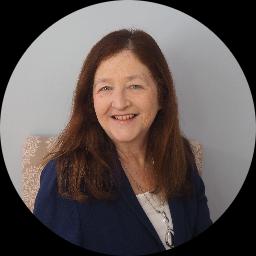
Chrystine Longley is a licensed clinician practicing in Massachusetts. She focuses on helping people who are feeling overwhelmed by stress, anxiety, grief, anger, trauma, or depression. She aims to make the first step easier by offering calm, steady support and a nonjudgmental space to talk.
Her approach begins by listening closely to what matters most to each person. She creates time in sessions for people to say what they are thinking and feeling. That helps set clear, practical goals for change that fit everyday life.
She uses Client-Centered Therapy alongside evidence-based tools such as cognitive behavioral techniques and trauma-focused methods. Sessions may include talking through difficult memories, learning small skills to manage strong emotions, and practicing new ways to respond to stressful situations. The work is collaborative and paced to the individual.
Chrystine brings six years of therapeutic experience and holds both LICSW and LCSW credentials. She has worked with people coping with chronic illness, caregiving stress, and those connected to the military and first responder communities. Her background includes supporting people through end-of-life concerns and serious medical challenges.
People who choose to work with her can expect straightforward feedback and practical steps between sessions. She encourages taking manageable steps toward clearer communication, reduced overwhelm, and more self-compassion. To begin, clients fill out a short questionnaire and schedule sessions based on availability.
How therapy approaches translate to online sessions
Client-Centered Therapy focuses on listening and understanding from the client’s point of view. In online work this means the therapist makes space for people to tell their story and guides conversations at the client’s pace. Cognitive Behavioral Therapy, or CBT, helps identify unhelpful thoughts and habits and teaches practical exercises to change them; it often uses short homework tasks and simple skill practice between sessions. Emotionally-Focused Therapy concentrates on feelings and relationship patterns; online sessions can help people name emotions, try new ways of responding, and rehearse changes in a steady, supported way.Finding the right approach is part of the work. The therapist will talk with each person about their goals, preferences, and what feels most useful. Together they decide whether to emphasize listening and reflection, skill-building, or trauma-focused techniques and adjust as progress is made.
Session formats are not listed in the biography, so confirm current options before booking. Online therapy can make it easier to fit sessions into a busy life, permit shorter check-ins when needed, and remove travel time. Many people use online sessions to practice new skills between appointments and to bring therapy into their daily routines without changing other commitments.
Areas of expertise
Primary focus
Additional focus areas
Therapeutic approaches
Experience
6+ years
Listed in
Connecticut, Massachusetts
Languages
English
Frequently asked questions
What concerns does Chrystine commonly address?
She works with people dealing with stress, anxiety, trauma and abuse, grief, anger, and depression. Additional areas include caregiving stress, chronic illness, end-of-life issues, and concerns like guilt and forgiveness.
What is her therapeutic style like?
Her style is collaborative and client-centered. She listens first, then helps set practical goals and builds small skills to manage emotions and behavior.
How much clinical experience does she have?
Chrystine has six years of professional therapeutic intervention experience working with a range of concerns from trauma to chronic illness.
What credentials and location are on file?
She holds MA LICSW and CT LCSW credentials and practices in Massachusetts.
Which languages are supported for sessions?
Sessions are offered in English.
Can people outside the U.S. work with her?
She is not currently accepting international clients.
How is payment structured?
Cost varies with location and therapist availability; sessions use a subscription model that can be canceled at any time.
What steps do I take to begin therapy?
Click the Start Therapy button, complete a short matching questionnaire, and schedule sessions according to therapist availability.
Online talk therapy is not emergency care. If you are in danger, use the crisis numbers.