- Client-centered approach
- Practical skill building
- LGBTQIA+ affirming care
About Chelsey
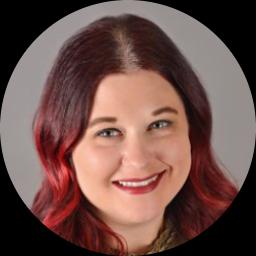
Chelsey Merchant is a licensed clinical social worker in Utah with five years of practice. She centers therapy on the person in front of her and treats each person as the expert in their own life. She aims to create a space where people can begin hard conversations and take small steps forward.
Her approach focuses on helping people manage stress, anxiety, and depression. She also supports those coping with trauma, self-esteem and body image concerns, and relationship or intimacy-related issues. Chelsey works with mood disorders and the emotional effects of life changes and grief.
She blends Client-Centered Therapy with practical tools from Cognitive Behavioral Therapy and Dialectical Behavior Therapy. Mindfulness and narrative techniques also appear in sessions when they fit a person’s needs. This mix helps people learn new skills, notice thought patterns, and tell their story in useful ways.
Chelsey brings attention to those facing identity and sexuality questions, including gender dysphoria, LGBT concerns, and alternative sex culture topics like BDSM and kink. She also addresses eating and food-related issues, dissociation, and self-harm with sensitivity and care.
Starting therapy can feel intimidating, and Chelsey acknowledges that first step takes courage. She encourages people to use their strengths, try practical strategies, and set goals that feel manageable. Her practice emphasizes collaboration and steady progress.
How Client-Centered and Skills-Based Care Work Online
Client-Centered Therapy focuses on understanding each person’s experience without judgment. The therapist listens closely, reflects what they hear, and follows the person’s goals rather than imposing a fixed plan. This approach helps people feel heard and in charge of next steps.Cognitive Behavioral Therapy, or CBT, looks at how thoughts, feelings, and actions connect. It breaks problems into manageable parts and teaches specific skills to change unhelpful patterns. CBT is often used for anxiety, depression, and mood-related concerns. Dialectical Behavior Therapy, or DBT, adds skills for managing intense emotions and improving coping. DBT tools can help with mood swings, self-harm urges, and strong interpersonal stress.
Finding the right mix of approaches is part of the work together. The therapist will collaborate with the client to choose strategies that fit their needs, goals, and preferences. That might mean trying mindfulness exercises for grounding one week and a CBT skill the next.
Confirm current session options before booking since formats are not specified in the biography. Online therapy can make it easier to fit sessions into a busy life, reduce travel time, and allow for shorter check-ins when needed. Discuss scheduling and session length with the therapist as part of the first steps so sessions can fit practical routines.
Areas of expertise
Also works with
Additional focus areas
Therapeutic approaches
Experience
5+ years
Listed in
Utah
Languages
English
Frequently asked questions
What issues does Chelsey address in therapy?
She works with stress, anxiety, depression, trauma and abuse, grief, self-esteem and body image concerns. Additional focus areas include relationship and intimacy-related issues, mood disorders, and eating and food-related problems.
What is her general therapy style?
Her practice is client-centered, meaning she treats each person as the expert on their own life. She combines listening with practical strategies from CBT, DBT, mindfulness, and narrative approaches.
How much experience does she have?
Chelsey holds five years of professional therapy experience and practices as a licensed clinical social worker.
Where is she licensed and located?
She is licensed in Utah with the credential LCSW and provides services from that state.
Which languages are supported for sessions?
Sessions are offered in English.
Can people outside the United States work with her?
She does not accept international clients at this time.
How are sessions paid for and what are the costs?
Cost varies by location and therapist availability; sessions use a subscription that can be canceled at any time.
How do I begin therapy with her?
Use the Start Therapy button, complete a short matching questionnaire, and then schedule based on therapist availability.
Online talk therapy is not emergency care. If you are in danger, use the crisis numbers.