- Client-Centred Therapy
- Anxiety and depression
- Speaks Punjabi Urdu
About Ayesha
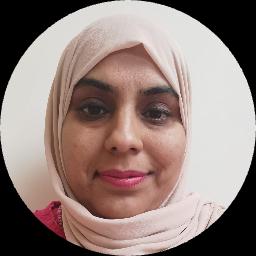
Ayesha Mirza offers a warm, client-focused approach grounded in Client-Centred Therapy. She works with people who are struggling with stress, anxiety, low mood and relationship difficulties. Ayesha keeps sessions simple and direct, helping people name what feels hard and build on their own strengths.
She draws on four years of experience that include work in an NHS setting. That background shaped her practical sense of how everyday pressures affect mood, motivation and confidence. Ayesha believes the person in the room knows their story best and she supports each person to find their own solutions.
In sessions she listens closely and reflects back what she hears. This helps clients feel understood and notice patterns that hold them back. Conversations aim to increase self-awareness, problem-solving and emotional coping rather than relying on jargon or complex techniques.
Her practice covers a range of concerns beyond core anxiety and depression. These include issues related to trauma and abuse, adoption and foster care, fertility and immigration stress, compulsive behaviours, postnatal mood, and experiences of prejudice and discrimination.
Ayesha works in English, Punjabi and Urdu. She is registered NCPS, which appears as her recorded credential. To start, people complete a short matching questionnaire and then schedule sessions according to the therapist's availability.
How Client-Centred Therapy adapts to online care
Ayesha uses Client-Centred Therapy in a way that prioritises being heard and understood. This approach centres on open listening, reflecting what the person shares and helping them discover their own solutions. It is often helpful for anxiety, low mood and relationship concerns because it builds confidence and self-understanding.Her practice focuses on working collaboratively. She will talk with each person about goals, preferences and what feels most useful, and then shape sessions around those needs. Finding the right approach is part of the work together rather than a fixed prescription from the start.
Session formats are not specified in the supplied profile, so please confirm current options before booking. Many people find online sessions make it easier to fit therapy into busy days, reduce travel time and allow shorter check-ins when needed. Online work can also help maintain continuity when schedules change or when someone is in a different location internationally. Ayesha aims to make practical arrangements that suit the person’s life and therapy goals.
Areas of expertise
Primary focus
Additional focus areas
Therapeutic approaches
Experience
4+ years
Listed in
United Kingdom
Languages
English, Punjabi, Urdu
Frequently asked questions
What kinds of problems does she help with?
She supports people with stress, anxiety, relationship difficulties, trauma and abuse, low self-esteem and depression, along with related issues such as postpartum depression, obsessions and phobias.
What is her therapeutic style?
She works from a Client-Centred Therapy approach, focusing on listening, empathy and helping people draw on their own strengths to make changes.
What experience does she bring?
She has four years of professional experience, including work in an NHS agency that informed her practical approach to everyday mental health challenges.
Where is the therapist based and what credentials does she hold?
She practises in the United Kingdom and is recorded with the NCPS credential as supplied in her profile.
Which languages are supported for sessions?
Sessions are offered in English, Punjabi and Urdu.
Can people outside the UK work with her?
International clients are accepted according to the profile information provided.
How are fees and payment handled?
Costs vary with location and therapist availability; sessions use a subscription model that can be cancelled at any time.
How do I begin working with her?
To start, select the Start Therapy button, complete a short matching questionnaire and then schedule sessions according to the therapist's availability.
Online talk therapy is not emergency care. If you are in danger, use the crisis numbers.