- Client-centered approach
- Practical skill building
- Trauma informed
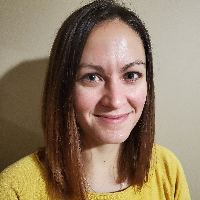
About Whitney
Whitney Thomas is a Licensed Professional Counselor (LPC) based in Pennsylvania. She focuses on helping people manage stress, anxiety, depression, grief, relationship strain, and mood concerns such as bipolar and ADHD. Her style is warm and down-to-earth, aimed at making conversations feel straightforward and useful.
Whitney trained in social science and later earned a master’s degree in community mental health counseling. She has 14 years of experience in mental health work, including time at a psychiatric rehabilitation program where she supported people in meeting practical wellness goals. That background shaped her interest in meeting clients where they are.
Her main approach is client-centered therapy, which emphasizes listening and tailoring sessions to each person’s needs. She also uses cognitive behavioral therapy (CBT) techniques when helpful to address patterns of thinking and behavior that contribute to distress. Sessions focus on clear, real-life strategies and on building skills clients can use between meetings.
Whitney has worked in individual and group settings across a variety of clinical environments. She keeps up with continuing education and trauma-informed practices to refine her work. She aims to create a nonjudgmental space where people can talk about accomplishments and hurts.
She invites prospective clients to consider therapy as a collaborative process. Whitney values honesty, practical problem solving, and steady progress toward goals, whether those goals involve coping with change, managing mood, or improving relationships.
How her approaches guide online therapy
Client-centered therapy focuses on listening and responding to each person’s experience. In practice this means the therapist follows the client’s pace, reflects what she hears, and helps people find their own solutions to stress, grief, relationship strain, and mood concerns.Cognitive behavioral therapy (CBT) targets patterns of thinking and behavior that fuel symptoms. CBT offers clear, practical tools such as activity planning, thought records, and behavioral experiments that help with anxiety, depression, and coping with change.
Choosing the right approach is part of the work together. Whitney will discuss goals, preferences, and what feels useful, then adapt methods over time so sessions fit the client’s needs. This is done collaboratively rather than prescribing a single method up front.
Online therapy can make it easier to fit sessions into a busy life. It may reduce travel time, allow shorter check-ins when schedules are tight, or let someone join from a quieter space. Confirm current session options before booking to know which formats are offered and to pick what best matches daily routines.
Areas of expertise
Therapeutic approaches
Experience
14+ years
Listed in
Pennsylvania
Languages
English
Frequently asked questions
What concerns does Whitney commonly address?
She works with stress, anxiety, depression, grief, anger, relationship and family issues, trauma and abuse, self-esteem, bipolar disorder, and ADHD.
How would you describe her therapeutic style?
Her style is client-centered and collaborative, focusing on listening first and shaping sessions around each person’s needs. She also uses CBT techniques to address thinking and behavior patterns.
What is her professional background?
Whitney holds a master’s degree in community mental health counseling and has 14 years of experience, including work in psychiatric rehabilitation and group facilitation.
What credentials and region should I know about?
She is a Licensed Professional Counselor (LPC) practicing in Pennsylvania and uses her clinical experience there.
Which languages are sessions offered in?
Sessions are offered in English.
Can international clients work with her?
International clients are not currently accepted.
How are fees and billing handled?
Cost varies with location and therapist availability; sessions use a subscription that can be canceled at any time.
How do I begin if I want to work with her?
Use the Start Therapy button, complete a short matching questionnaire, and schedule according to the therapist’s availability.
Online talk therapy is not emergency care. If you are in danger, use the crisis numbers.