- Client-centered care
- Goal oriented
- Communication skills
About Sarah
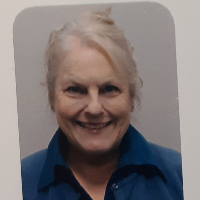
Sarah Ross is a Licensed Mental Health Counselor (LMHC) with 27 years in clinical work. She has held roles such as clinical supervisor and clinic director, and has worked in community mental health, drug court programs, and marital counseling centers. She introduces herself warmly and encourages people that asking for help is a courageous step.
Her background includes working with depression, anxiety, relationship and family concerns, grief and loss, and issues around low self-esteem. She has experience collaborating with substance use counselors and teaching communication skills to couples in clinic settings. These varied roles inform how she meets people where they are.
Sarah uses a practical, interactive style in sessions. She offers positive regard and encouragement, and listens for the blind spots that can hold someone back. She aims for moments of new insight and reminds people that change usually takes time and commitment from both sides.
Her clinical approach is eclectic, drawing on Client-Centered Therapy alongside cognitive-behavioral and psychodynamic ideas. She adapts her style to each person, sometimes taking a coaching tone with active cheerleading and other times offering a gentler, more nurturing presence.
Clients can expect a collaborative relationship focused on clear goals. She emphasizes building a therapeutic alliance and tailoring the path forward to each person’s needs and pace.
How her approaches translate to online work
Sarah often uses Client-Centered Therapy, which focuses on listening, empathy, and supporting a person’s own pace of change. It helps people feel heard and organize their thoughts when facing stress, grief, or self-esteem struggles.She also draws on Cognitive Behavioral Therapy (CBT) to identify unhelpful thinking and build practical skills for anxiety, mood issues, and workplace or parenting stress. CBT offers clear steps and exercises that can be practiced between sessions.
Finding the right approach is part of the work together. She will collaborate with the client to choose or blend methods that fit their goals, preferences, and the life situation they bring into sessions. This is a shared process that can shift as progress is made.
Confirm the available session formats before booking, since specific online options are not listed here. Many people find online therapy helps fit sessions into a busy week, makes it easier to include short check-ins, and reduces travel time. Others appreciate being able to use quieter surroundings, opt for phone check-ins when video is difficult, or schedule sessions around work and parenting demands. Licensed professionals can adapt approaches like Client-Centered Therapy and CBT to make sessions practical and focused, helping clients move toward the changes they want.
Areas of expertise
Primary focus
Also works with
Additional focus areas
Therapeutic approaches
Experience
27+ years
Listed in
Washington
Languages
English
Frequently asked questions
What concerns does she help with?
She works with stress, anxiety, depression, relationship and family concerns, grief and parenting challenges, among other issues listed in her specialties.
What is her general approach in therapy?
She practices an interactive, client-centered style that also uses cognitive-behavioral and psychodynamic ideas to help people gain insight and develop new skills.
How much experience does she have?
She has 27 years of clinical experience and has served in roles such as clinical supervisor and clinic director.
What are her credentials and where is she based?
She is an LMHC licensed in Washington and practices from that state.
Which languages are sessions offered in?
Sessions are offered in English.
Does she work with international clients?
She does not accept international clients at this time.
How is cost handled for sessions?
Cost varies with location and therapist availability, and sessions use a subscription that can be canceled at any time.
How do I begin working with her?
Select the Start Therapy button, complete a short matching questionnaire, and schedule according to therapist availability.
Online talk therapy is not emergency care. If you are in danger, use the crisis numbers.