- Client-centered
- Skills focused
- Multicultural aware
About Salome
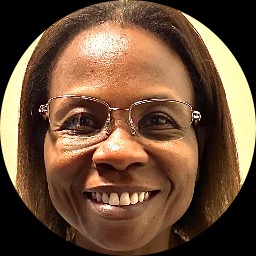
Salome Campbell is a Licensed Professional Counselor (LPC) practicing in Michigan with nine years of experience. She focuses on helping people who are struggling with stress, anxiety, depression, addictions, and self-esteem concerns. She aims to make starting therapy a manageable step and recognizes that reaching out takes courage.
Her approach centers on treating people with respect, sensitivity, and compassion. Salome emphasizes being accepted and heard as the foundation of the work. She adapts conversations and plans to match each person’s situation rather than using a one-size-fits-all method.
Salome draws on several methods to help people tackle problems. She uses Client-Centered Therapy to follow the client's lead and build a supportive relationship. She also uses cognitive behavioral methods to identify unhelpful thinking and DBT skills to manage strong emotions and improve coping.
In sessions she listens for what matters most and then tailors goals and exercises to practical life situations. That might mean setting small, doable steps for mood, practicing techniques for anxiety, or mapping out habits around substance use and recovery. The work is practical and paced to each person’s needs.
Salome welcomes clients from diverse backgrounds and considers cultural context in planning care. She encourages people to move at a comfortable pace and to shape the work together, adjusting strategies as progress unfolds.
How these approaches work in online counseling
Client-Centered Therapy focuses on following the person's lead and building a trusting relationship. It helps when someone needs a space to be heard, to clarify values, or to work through life decisions without pressure.Cognitive Behavioral Therapy (CBT) looks at the links between thoughts, feelings, and actions and teaches practical skills for shifting unhelpful thinking. It is often used for anxiety, depression, and social phobia because it leads to clear strategies and homework to practice outside sessions.
Finding the right approach is part of the work together. The therapist will review goals, preferences, and what has or hasn't helped before to decide which methods to try. This is a collaborative process and plans are adjusted over time based on what is helpful.
Confirm current online session options before booking so you know what formats are offered. Online sessions can make it easier to fit counseling into a busy day, reduce travel time, and allow for short check-ins when a full hour is not needed. They also let people continue work across moves or time zones when arrangements are agreed on in advance.
Areas of expertise
Primary focus
Additional focus areas
Therapeutic approaches
Experience
9+ years
Listed in
Michigan, Texas, Oregon
Languages
English
Frequently asked questions
What concerns does this therapist commonly address?
She helps people manage stress, anxiety, depression, and self-esteem difficulties, and works with addiction-related issues including drug and alcohol addiction.
What is the therapist's general style in sessions?
Sessions are respectful and sensitive, with a focus on listening first and then tailoring the plan to each person's needs.
How much clinical experience does she have?
She has nine years of professional experience working in counseling roles.
What are her credentials and where is she based?
She holds the LPC credential and practices in Michigan.
Which languages are supported for sessions?
Sessions are offered in English.
Can people outside the United States work with her?
She accepts international clients; confirm any time zone or regional matters when scheduling.
How does pricing work for sessions?
Cost varies with location and therapist availability and sessions use a subscription that can be canceled at any time.
What are the first steps to begin therapy?
Click the Start Therapy button, complete a short matching questionnaire, and then schedule sessions according to the therapist's availability.
Online talk therapy is not emergency care. If you are in danger, use the crisis numbers.