- client-centered listening
- practical tools
- gentle accountability
About Patricia
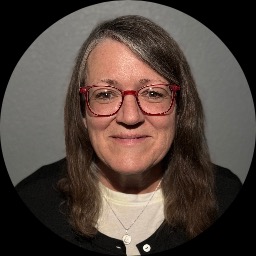
Patricia Pattan-O'Neal is a Licensed Master Social Worker and Licensed Clinical Social Worker practicing in Michigan. She focuses on common and painful concerns like stress, anxiety, grief, depression, trauma and abuse, and struggles with relationships and intimacy. Patricia aims to meet people where they are and help them move toward clearer goals.
She uses a straightforward, respectful approach in sessions. Patricia listens first and follows each person’s lead, then offers practical tools such as mindfulness, communication strategies, and methods to build self-awareness. She balances gentle encouragement with direct accountability when a clearer push is helpful.
Patricia combines Client-Centered Therapy with elements of cognitive behavioral work to help people notice patterns and try different ways of responding. She also supports people dealing with life changes, caregiving stress, chronic illness, addiction, ADHD, and career concerns. Her style is collaborative and focused on what is most useful for a person now.
Patricia draws on eight years of professional experience as an LMSW and LCSW. In sessions she may introduce simple skills, reflective exercises, and creative ways to practice new habits between meetings. The goal is steady, practical progress rather than quick fixes.
Starting therapy is framed as a brave step. Patricia aims to be an objective observer who guides and coaches while respecting each person’s expertise in their own life. She encourages concrete steps and supports people as they work toward the changes they want.
How her approaches guide online therapy
Patricia draws on Client-Centered Therapy and cognitive behavioral ideas in her work. Client-Centered Therapy means she focuses on listening closely, following the person’s lead, and creating a space where someone feels heard and understood. Cognitive Behavioral Therapy (CBT) looks at patterns of thought and behavior and introduces small, practical exercises to change unhelpful cycles.Choosing the right approach is a collaborative process. She will talk with each person about their goals, preferences, and what feels most useful. Together they decide whether to emphasize listening and reflection, practical skills, or a mix of both as therapy progresses.
If you are considering online sessions, confirm current session options before booking. Online therapy can make it easier to fit meetings into a busy schedule, cut travel time, and allow shorter check-ins on a workday. It also lets people use exercises and homework between meetings more readily. Talk with her about how to structure sessions so they fit your life and goals.
Areas of expertise
Also works with
Additional focus areas
Therapeutic approaches
Experience
8+ years
Listed in
Michigan, Utah, Maine
Languages
English
Frequently asked questions
What concerns does Patricia help with?
She works with stress, anxiety, trauma and abuse, grief, depression, and relationship and intimacy-related issues among other areas listed in her specialties.
How would you describe her therapeutic style?
Her style is respectful and collaborative, listening first and offering practical strategies like mindfulness and communication skills.
What is her professional background?
She has eight years of professional experience and practices as an LMSW and LCSW.
Where does she practice and what are her credentials?
She is based in Michigan and holds the credentials LMSW and LCSW as listed.
Which languages are sessions offered in?
Sessions are offered in English.
Can people outside the country work with her?
International clients are not accepted at this time.
How are sessions scheduled and what does therapy cost?
Cost varies with location and therapist availability; sessions use a subscription that can be canceled at any time.
How do I begin if I want to work with her?
Click the Start Therapy button, complete a short matching questionnaire, and schedule according to therapist availability.
Online talk therapy is not emergency care. If you are in danger, use the crisis numbers.