- Client-centered support
- Family patterns insight
- Goal-oriented work
About Melody
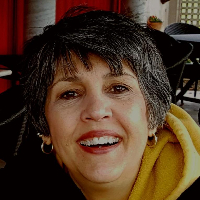
Dr. Melody Hubnik centers her work on the person in front of her. She uses Client-Centered Therapy to build a respectful, listening-first relationship. Her style is direct but warm, and she asks clients to set a few clear goals before starting so sessions stay focused.
She brings 29 years of experience as a Licensed Marriage and Family Therapist, working with a wide range of concerns. She pays close attention to how childhood experiences shape adult reactions. That insight often guides the conversation toward where old hurts began and what can be done now.
People come to her for anxiety, depression, grief, trauma, anger, and stress. She also supports parents with parenting challenges, people managing ADHD, those facing career strain, and anyone coping with life changes or low self-esteem. Each plan is tailored to the person’s needs and goals rather than a one-size-fits-all method.
Her approach combines listening with practical steps. She may use thought-focused exercises to shift difficult patterns and look at family-of-origin influences to uncover repeated dynamics. She often suggests short tasks between sessions to keep progress moving.
Dr. Hubnik asks clients to bring one or two achievable goals to the first meeting. That helps both people track progress and know when a change has been reached. She aims to make sessions nonjudgmental and collaborative, and she welcomes questions about how therapy will proceed.
How Client-Centered Therapy works online
Client-Centered Therapy focuses on empathetic listening and following the client's lead to build trust and understanding. In practice this means the therapist reflects what the person says, asks clarifying questions, and helps the client name their goals and values. This approach suits people facing anxiety, depression, grief, parenting stress, and self-esteem struggles.Alongside that, she often looks at family-of-origin patterns to show how early experiences shape current reactions. She may also use thought-focused exercises to help change unhelpful narratives and small between-session tasks to keep progress moving. Both approaches aim to make therapy practical and understandable.
Finding the right method is a shared process. The therapist will collaborate with the client to decide which approach fits their needs, goals, and preferences. Treatment plans are adjusted over time based on how the client responds and what they want to achieve.
Session formats are not listed in the biography, so please confirm the current options before booking. Online therapy can make scheduling easier, reduce travel time, and allow work to fit around appointments. It can also allow shorter check-ins when time is limited or let people choose sessions that match their energy level and focus for the week.
Areas of expertise
Primary focus
Also works with
Therapeutic approaches
Experience
29+ years
Listed in
Texas
Languages
English
Frequently asked questions
What kinds of problems does she help with?
She works with anxiety, depression, grief, trauma and abuse, anger, stress, and low self-esteem. She also helps with parenting challenges, ADHD, career concerns, and coping with life changes.
What is her general therapy style?
Her primary approach is Client-Centered Therapy, which emphasizes listening and building a trusting relationship. She combines that with practical exercises to help people change unhelpful patterns.
How much experience does she have?
She has 29 years of professional experience working with individuals, couples, and families in clinical settings.
What credentials and region should I know about?
She holds the LMFT credential and practices in Texas as a Licensed Marriage and Family Therapist.
Which languages are available for sessions?
Sessions are offered in English.
Can international clients work with this therapist?
International clients are not currently accepted.
How are fees and subscriptions handled?
Cost varies with location and therapist availability, and sessions use a subscription that can be canceled at any time.
What should I do to begin therapy?
Select the Start Therapy button, complete the short matching questionnaire, and then schedule based on the therapist's availability.
Online talk therapy is not emergency care. If you are in danger, use the crisis numbers.