- Client-centered care
- Practical CBT tools
- Family concerns focus
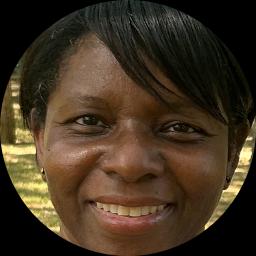
About LaShonya
Dr. LaShonya Williams welcomes people who feel stuck, overwhelmed, or unsure where to begin. She makes space for straightforward conversation and helps each person sort through what matters most. Her approach centers on listening first and building from the client’s own strengths.
She practices Client-Centered Therapy, which means she follows the client’s lead and offers support based on what the person says works for them. She also uses Cognitive Behavioral Therapy, a hands-on method that helps identify thoughts and habits that contribute to stress or low mood.
Over 22 years she has helped people manage family conflict, trauma and abuse, and intimacy-related concerns. She also addresses anger, anxiety, stress, addictions, and depression, along with related areas like communication problems and control issues.
Other topics she commonly supports include parenting challenges, separation and divorce, domestic violence, and family of origin struggles. She also works with people facing isolation, first responder stress, money worries, and questions about life purpose and self-love.
Dr. Williams holds an LPC, meaning she is a licensed professional counselor in Texas. If you decide to start, the first step is a short matching questionnaire and then scheduling. She encourages anyone taking that step to be gentle with themselves during the process.
How her approaches translate to online work
Dr. Williams uses Client-Centered Therapy and Cognitive Behavioral Therapy in online sessions. Client-Centered Therapy focuses on listening closely and following the client’s pace, helping people feel heard and understood as they name their goals. Cognitive Behavioral Therapy looks at the thoughts and routines that keep problems going and teaches practical steps to change them, which can help with anxiety, depression, anger, and stress.Choosing the right approach is a shared process. She will talk with each person about their goals, preferences, and day-to-day needs and then tailor methods together. That collaborative planning can include checking progress and adjusting techniques over time.
Online therapy can make it easier to fit sessions into a busy schedule and keep continuity when life gets hectic. For example, remote sessions can reduce travel time and allow quicker check-ins between appointments. Session format options are not listed in the biography, so confirm current session options before booking to ensure they meet your needs.
Areas of expertise
Primary focus
Also works with
Additional focus areas
Therapeutic approaches
Experience
22+ years
Listed in
Texas
Languages
English
Frequently asked questions
What concerns does she commonly address?
She helps people with family conflict, trauma and abuse, intimacy-related issues, anger, stress, anxiety, addictions, relationship problems, parenting, self esteem, and depression.
What is her therapeutic style like?
Her style is client-centered and supportive, with practical cognitive behavioral techniques used when helpful to change unhelpful thoughts and behaviors.
How much clinical experience does she have?
She has 22 years of professional experience working with a range of concerns including trauma, family issues, and anger management.
What are her credentials and where is she based?
She holds an LPC, which stands for Licensed Professional Counselor, and provides services from Texas.
Which languages are supported in sessions?
Sessions are offered in English.
Can people outside the US work with her?
International clients are not currently accepted.
How does payment and cost work?
Cost varies with location and therapist availability; sessions use a subscription that can be canceled at any time.
How do I begin working with her?
Click the Start Therapy button, complete a short matching questionnaire, and schedule a session based on therapist availability.
Online talk therapy is not emergency care. If you are in danger, use the crisis numbers.