- Client-centered approach
- Practical coping tools
- Supportive listening
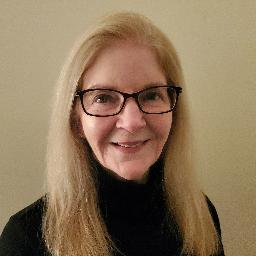
About Kathleen
Kathleen Pear is a Licensed Clinical Social Worker in California who helps people facing stress, anxiety, low self-esteem, depression, grief, and life transitions. She speaks plainly and listens without judgment, offering steady support as clients work through difficult feelings and decisions. Kathleen emphasizes building on personal strengths to find more meaning and joy in daily life.
Her approach blends Client-Centered Therapy with Cognitive Behavioral and Psychodynamic ideas. Sessions focus on clear, practical steps plus space to reflect on how past experiences shape current patterns. She encourages small, achievable changes and tracks progress over time.
Before clinical work she earned a BA in Sociology from the University of Pittsburgh and a Master of Social Work from the University of Maryland with a concentration in mental health. Over 14 years she has worked in both health and mental health care settings, supporting adults with health-related concerns, aging issues, and life-review work.
Kathleen aims to create a calm, supportive setting where people can speak honestly and feel heard. She uses plain language and collaborative planning so goals are realistic and clear. The work tends to be steady and paced to what each person is ready for.
Clients can expect encouragement to identify strengths, tools from cognitive-behavioral methods, and space to explore long-standing themes. The focus is on practical coping, emotional recovery after loss or trauma, and finding ways to move forward.
How Kathleen's Approaches Translate to Online Therapy
Client-Centered Therapy focuses on listening closely and following the person’s lead. It helps when someone needs acceptance, encouragement, and a place to sort thoughts and feelings. Cognitive Behavioral Therapy, or CBT, looks at how thoughts and behaviors interact and teaches practical tools to change upsetting patterns and manage symptoms such as anxiety or low mood.Deciding which approach to use is a collaborative process. Kathleen works with each person to identify goals and preferences, then suggests methods that fit those goals. She adjusts the plan as the work progresses so it stays relevant and helpful.
Online therapy can make it easier to fit sessions into a busy week and reduce travel time. It also allows steady contact during life transitions and when health concerns make in-person meetings harder. The reader should confirm current session options before booking to know what formats are offered. The emphasis is on making therapy practical and usable within everyday life, with techniques and pacing tailored to what each person needs.
Areas of expertise
Also works with
Additional focus areas
Therapeutic approaches
Experience
14+ years
Listed in
California
Languages
English
Frequently asked questions
What concerns does Kathleen commonly address?
She works with adults on stress, anxiety, low self-esteem, depression, grief, relationship and family issues, trauma and abuse, and coping with life changes.
What is her general therapy style?
Her style is non-judgmental, supportive, and compassionate, emphasizing listening, encouragement, and working from a person’s strengths.
How much clinical experience does she have?
She has 14 years of experience in health and mental health care settings supporting adults with mental health and health-related concerns.
What credentials and region are listed?
She is a Licensed Clinical Social Worker - LCSW - and practices in California.
Which languages are sessions offered in?
Sessions are offered in English.
Can international clients schedule with her?
International clients are not currently accepted.
How are sessions priced and billed?
Cost varies with location and therapist availability; sessions use a subscription that can be canceled at any time.
What are the steps to begin therapy?
Use the Start Therapy button, complete a short matching questionnaire, and schedule according to the therapist’s availability.
Online talk therapy is not emergency care. If you are in danger, use the crisis numbers.