- Client-centered focus
- Practical techniques
- Goal oriented
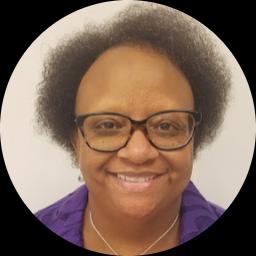
About Jacqueline
Jacqueline Higgins is a Licensed Professional Counselor (LPC) based in Texas who helps people manage stress, anxiety, anger, and low self-esteem. She supports those facing relationship strain, grief, parenting challenges, life changes, and ADHD. Jacqueline speaks English and draws on years of hands-on experience in schools and counseling roles.
She approaches sessions with a respectful, listening-first style. Jacqueline believes clients are the experts on their own stories and builds on each person's strengths. She uses Client-Centered Therapy alongside practical tools to help people clarify goals and make steady progress.
Her background includes roles as a teacher, school counselor, and district LPC. That mix of school and counseling work gave her experience with motivation, confidence, and parenting concerns. Jacqueline has five years of professional counseling experience as an LPC in Texas, and she keeps a straightforward focus on what will help in daily life.
In sessions she blends cognitive behavioral ideas with mindfulness and solution-focused strategies. That means identifying patterns that hold someone back, practicing small changes, and using brief experiments to test what helps. Jacqueline emphasizes short-term strategies people can try between meetings.
She aims to create a calm space for honest conversation and practical steps. If you want a therapist who listens, helps set realistic goals, and supports gradual change, Jacqueline offers an approach rooted in clarity and respect.
How her approaches translate to online therapy
Client-Centered Therapy focuses on listening and making choices that match a person's values. In practice this means the therapist offers active listening, reflection, and gentle guidance while the person leads the pace and goals. Cognitive Behavioral Therapy, or CBT, looks at the thoughts and behaviors that keep problems going and uses simple experiments and skill practice to shift them.Finding the right approach is part of the work together. Jacqueline will help figure out which methods fit a person's needs, goals, and preferences, and she adjusts the balance of listening, skills practice, and short-term goal work based on feedback. That collaborative process helps clients feel involved in planning sessions.
Specific session formats are not listed here, so confirm current options before booking. Online therapy can make it easier to fit sessions into a busy week, reduce travel time, and allow shorter check-ins when needed. It also lets people try mindfulness exercises and behavioral experiments between meetings so progress can be integrated into everyday life.
Areas of expertise
Primary focus
Also works with
Additional focus areas
Therapeutic approaches
Experience
5+ years
Listed in
Texas
Languages
English
Frequently asked questions
What concerns does Jacqueline work with?
She helps with stress, anxiety, anger, self-esteem, relationship strain, family problems, grief, parenting challenges, coping with life changes, and ADHD. Additional focuses include body image, caregiver stress, and young adult issues.
What is her therapeutic style like?
Her style emphasizes listening first and building on a person's strengths. Sessions combine a client-centered attitude with practical techniques to solve immediate problems.
What relevant experience does she bring?
She has five years of counseling experience as an LPC in Texas and prior work as a teacher, school counselor, and district LPC, which contributes to her practical approach.
What credentials and location are listed?
She holds the LPC credential, listed as TX LPC, and practices in Texas.
Which languages are used in sessions?
Sessions are offered in English.
Can international clients work with her?
International clients are not currently accepted.
How does pricing work?
Cost varies with location and therapist availability; sessions use a subscription model that can be canceled at any time.
How do I begin the process?
Use the Start Therapy button, complete a short matching questionnaire, and then schedule according to the therapist's availability.
Online talk therapy is not emergency care. If you are in danger, use the crisis numbers.