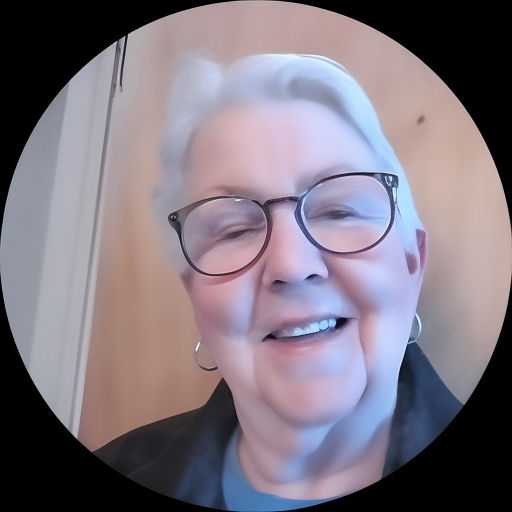
- Client-centered care
- Long-term experience
- Practical guidance
About Diana
Diana Kelly is a licensed clinical social worker who brings 52 years of professional experience to her practice in Colorado. She uses a client-centered approach to build a respectful, responsive relationship and help people explore their concerns. Diana aims to create a calm space where people can speak openly and be heard.
She focuses on stress and anxiety, grief and loss, depression, and issues related to sexual orientation and identity. She also supports people facing relationship and intimacy concerns, trauma and abuse, and challenges related to bipolar disorder. Diana works with those navigating major life changes and practical struggles tied to chronic illness, aging, or traumatic brain injury.
Her style emphasizes listening first, then tailoring conversations and plans to each person. Sessions center on the person’s goals and pace rather than a fixed formula. She offers straightforward explanations and practical steps people can try between meetings.
Diana describes her role as supportive and empowering, helping people take the steps they choose toward a more satisfying life. She adapts her approach to each situation and keeps recommendations grounded in what is realistic for everyday life. Her long career has involved many settings, and she draws on that experience to help people move forward.
To begin, people are asked to complete a short matching questionnaire and schedule according to the therapist’s availability. The process is designed to make it easy to connect and start working on whatever concern brought them in.
How client-centered care adapts to online therapy
Client-centered therapy focuses on listening, understanding, and responding to what matters most to the person in front of the therapist. In practice this means the therapist gives space for the person to tell their story, reflects what she hears, and helps the person set goals that feel right to them. This approach can be especially helpful for concerns like anxiety, depression, grief, and identity-related stress where feeling heard is an important part of healing.The core idea of client-centered work is collaboration. The therapist and client figure out together which ways of working make sense. Over time they check in and adjust methods and goals so the approach stays useful and relevant to the person's life and needs.
If you are considering online therapy, confirm the current session options before booking since specific formats are not listed in the biography. Online work can make it easier to fit sessions into a busy week, allow shorter check-ins when needed, and remove travel time so meetings feel more practical. Many people find it simpler to continue regular work when sessions are easier to schedule. Licensed professionals, including therapists using client-centered methods, can adapt their style to remote settings to keep sessions focused on the client’s goals and day-to-day challenges.
Areas of expertise
Also works with
Additional focus areas
Therapeutic approaches
Experience
52+ years
Listed in
Colorado, Nebraska
Languages
English
Frequently asked questions
What concerns does this therapist address?
Diana works with stress, anxiety, grief, depression, and LGBT-related issues, among other concerns listed in her specialties.
What is her therapeutic style like?
She uses a client-centered therapy approach that emphasizes listening, respect, and tailoring sessions to each person's needs.
How much experience does she have?
She has 52 years of professional work experience in the field.
Where does she practice and what are her credentials?
She practices in Colorado and holds the credentials LCSW, CSW, and LIMHP as listed.
Can I work with her in languages other than English?
Sessions are offered in English.
Does she accept clients from other countries?
She does not accept international clients at this time.
How much do sessions cost?
Cost varies with location and therapist availability; sessions use a subscription that can be canceled at any time.
How do I get started with therapy?
Click the Start Therapy button, complete a short matching questionnaire, and schedule according to the therapist's availability.
Online talk therapy is not emergency care. If you are in danger, use the crisis numbers.