- Client-centered approach
- CBT tools
- Faith-informed support
About Danae
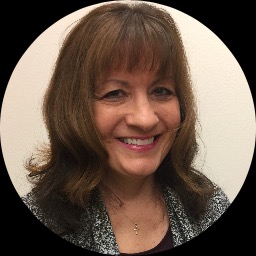
Danae Ganos is a licensed clinical social worker with 24 years of experience helping people through common but painful issues. She supports those dealing with stress, anxiety, trauma and abuse, grief, depression, and major life changes. Her work also covers codependency, communication problems, divorce and separation, family of origin issues, guilt and shame, isolation, self-love, and women's issues.
She keeps sessions simple and direct. Conversations focus on what matters most to the person in front of her. She listens, reflects what she hears, and helps shape practical steps to feel steadier day to day.
Danae blends a client-centered stance with cognitive behavioral techniques. That means she centers the person's experience first, then offers tools to address unhelpful thoughts and patterns. The combination aims to honor each person's story while creating small, achievable changes.
Her practice is described as faith-informed, and she respects individual beliefs when they matter to a person's healing. Over two decades in the field have given her a range of strategies for common emotional struggles and life transitions.
People who come to her work on clearer communication, repairing how they relate to others, and building self-worth. Sessions tend to focus on concrete skills, improved coping, and making choices that fit a client's values and goals.
How client-centered and CBT methods work online
Client-centered therapy focuses on the person's perspective, listening closely and helping them find their own solutions. It is useful for people who need a space to be heard and to build confidence in their choices.Cognitive Behavioral Therapy, or CBT, looks at how thoughts and behaviors link to feelings and offers practical exercises to shift unhelpful patterns. It can help with anxiety, depression, and coping during life changes.
Finding the right approach is part of the work. The therapist will collaborate with each person to see which combination of client-centered listening and CBT tools fits their needs, goals, and preferences. That decision is made together and can change as therapy moves forward.
Session formats are not detailed in the original profile, so confirm current options before booking. Many people find online sessions make it easier to fit therapy into a busy week, keep appointments during transitions, or choose shorter check-ins when time is limited. Licensed professionals can adapt exercises and homework to work well across different setups, helping therapy integrate into everyday life without demanding major schedule changes.
Areas of expertise
Additional focus areas
Therapeutic approaches
Experience
24+ years
Listed in
Illinois
Languages
English
Frequently asked questions
What kinds of problems does she help with?
She helps people manage stress, anxiety, depression, grief, trauma and major life changes, and also focuses on issues like codependency and communication problems.
How would you describe her therapeutic style?
Her style is listening-first and practical. She centers the person's experience and then offers concrete strategies to change difficult thoughts and behaviors.
How much experience does she have?
She has 24 years of experience working as a clinical social worker with a range of emotional and life-transition concerns.
What are her credentials and where is she based?
She is an LCSW, which stands for Licensed Clinical Social Worker, and she practices in Illinois.
Can I work with her if I live outside the United States?
Sessions are offered in English and she is not currently accepting international clients.
What session formats does she offer?
The original profile does not list specific session formats; please confirm current session options before booking.
How much does therapy cost?
Cost varies with location and therapist availability; sessions use a subscription that can be canceled at any time.
How do I get started with her?
Use the Start Therapy button, complete the short matching questionnaire, and then schedule sessions according to the therapist's availability.
Online talk therapy is not emergency care. If you are in danger, use the crisis numbers.