- Relational approach
- Values driven work
- Clinical skill mix
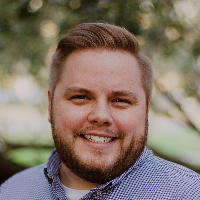
About Andrew
Andrew Cravey is a Licensed Mental Health Counselor who aims to help people feel more capable when life gets hard. He keeps sessions straightforward and focused on practical steps. He wants clients to leave feeling a bit more resilient than when they arrived.
Andrew uses a relational approach, which means he pays close attention to the connection between therapist and client. He creates a calm space for people to talk through anxiety, depression, grief, stress, and life transitions. He also supports those dealing with relationship concerns, addictions, anger, career strain, and compassion fatigue.
His work draws on several evidence-informed methods, including Client-Centered Therapy, Acceptance and Commitment Therapy, Cognitive Behavioral Therapy, Dialectical Behavior Therapy, and Attachment-Based Therapy. In sessions he blends these approaches to match what each person needs in the moment. That can mean helping someone notice unhelpful thoughts, practice new emotional skills, or clarify personal values and goals.
Andrew completed a Master of Science in Counseling Psychology from Palm Beach Atlantic University and holds a Florida Licensed Mental Health Counselor credential, LMHC. He has about five years of clinical experience. Sessions are conducted in English and his practice is based in Florida.
He describes working alongside people through difficult changes as an honor. He invites prospective clients to share their story and work together toward stronger coping and clearer next steps.
How therapeutic approaches guide online work
Client-Centered Therapy focuses on listening closely and meeting each person where they are, letting the client lead the pace and topics of conversation. This approach helps people who need a calm, accepting space to sort through feelings or big decisions.Acceptance and Commitment Therapy, or ACT, emphasizes noticing thoughts and choosing actions that match personal values. It can be helpful for anxiety, depression, stress, and coping with life changes because it points to small, value-driven steps clients can try between sessions.
Attachment-Based ideas look at how relationships and early patterns shape how someone connects today. That can be useful when relationship difficulties, trust, or emotional regulation are part of the concern.
Finding the right mix of methods is part of the work. The therapist will collaborate with each client to decide which approaches to use, guided by goals, preferences, and what feels most helpful in session. It is a joint process rather than a one-size-fits-all plan.
If you are considering online therapy, confirm the current session options before booking, since formats are not listed here. Online work can make scheduling easier and fit short check-ins into busy days, or allow sessions without travel. It also lets people try therapeutic tools in everyday settings and then bring observations back to the next meeting.
Areas of expertise
Also works with
Therapeutic approaches
Experience
5+ years
Listed in
Florida
Languages
English
Frequently asked questions
What issues does this therapist commonly help with?
He works with stress, anxiety, depression, grief, relationship concerns, trauma and abuse, addictions, anger, career strain, compassion fatigue, LGBT issues, self esteem, and life changes.
How would you describe his therapeutic style?
He uses a relational, integrative approach that centers the client. Techniques from Client-Centered Therapy, ACT, CBT, DBT, and attachment work are combined to match each person's needs.
What background and experience does he bring?
He holds a Master of Science in Counseling Psychology from Palm Beach Atlantic University and has about five years of clinical experience as an LMHC.
Where is he licensed and located?
The clinician is a Florida LMHC and practices in Florida.
Which languages are supported for sessions?
Sessions are offered in English.
Can people outside the U.S. work with him?
International clients are not currently accepted.
How is cost handled for sessions?
Cost varies with location and therapist availability; sessions use a subscription that can be canceled at any time.
What are the first steps to begin therapy?
Click the Start Therapy button, complete a short matching questionnaire, and schedule sessions according to therapist availability.
Online talk therapy is not emergency care. If you are in danger, use the crisis numbers.