- Solution oriented
- Emotion skills
- 25 years experience
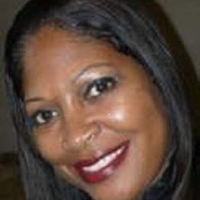
About Tawnya
Tawnya Thompson is a Licensed Clinical Mental Health Counselor (LCMHC) practicing in North Carolina. She brings 25 years of experience helping people facing stress, anxiety, relationship struggles, depression, life changes, and addictions. She focuses on practical steps that clients can use day to day.
Her background includes work in substance abuse treatment, mental health crisis response, domestic violence services, critical incident work, and youth corrections. Those settings shaped how she listens and responds, especially in one-on-one work. She says individual counseling is where she is most effective.
Tawnya uses a mix of approaches, with an emphasis on solutions and on how each person sees themselves and their world. She helps people test whether their beliefs and behaviors are getting them the results they want. She also teaches emotional skills for handling life’s ups and downs.
In sessions she focuses on clear goals and concrete changes. Conversations tend to look at patterns of thought and behavior, practical coping skills, and ways to improve communication and decision making. She aims to leave clients with tools they can use after sessions end.
Her work is guided by a commitment to serve others and to help people make meaningful changes. People who prefer straightforward, reality-based counseling often find her approach a good fit.
How these approaches translate to online therapy
Client-Centered Therapy focuses on listening closely and following the client’s lead. It helps people feel heard and clarify their own goals, which can be useful for relationship concerns and life direction questions. Cognitive Behavioral Therapy, or CBT, looks at thoughts and behaviors and teaches practical skills to change unhelpful patterns. It is often used for anxiety, depression, and stress and gives concrete tools to use between sessions. Emotionally-Focused Therapy, or EFT, helps people name and work with strong emotions and improve how they connect and communicate with others. It can be especially helpful for relationship difficulties and for building emotional regulation skills. Choosing the right approach is part of the work together. The therapist will discuss needs, goals, and preferences and will help decide which methods to emphasize. That decision is collaborative and can shift as progress is made. Online therapy can make it easier to fit sessions into a busy life and can reduce travel time. It can also allow shorter check-ins when schedules demand it and let people meet from different locations, including international settings. Confirm the specific session formats available before booking to ensure they match your needs.Areas of expertise
Primary focus
Also works with
Additional focus areas
Therapeutic approaches
Experience
25+ years
Listed in
North Carolina
Languages
English
Frequently asked questions
What concerns does Tawnya commonly address?
She helps with stress, anxiety, relationship problems, depression, coping with life changes, and addictions, plus related issues like communication and commitment problems.
How would you describe her therapeutic style?
She favors a solution-focused, reality-based style that centers on how clients view themselves and the world and on practical steps for change.
What kind of experience does she bring?
She has 25 years of experience across settings including substance abuse treatment, crisis work, domestic violence services, critical incidents, and youth corrections.
What credentials and location are listed?
She is an LCMHC - Licensed Clinical Mental Health Counselor - practicing in North Carolina.
Can sessions be held in other languages or with international clients?
Sessions are offered in English and she does accept international clients.
Which session formats are available?
Current session formats are not specified here; please confirm the available formats when you schedule.
How is cost handled?
Cost varies with location and therapist availability, and sessions use a subscription that can be canceled at any time.
What are the first steps to begin therapy?
Click the Start Therapy button, complete a short matching questionnaire, and schedule sessions based on the therapist’s availability.
Online talk therapy is not emergency care. If you are in danger, use the crisis numbers.