- Client-centered focus
- Practical coping skills
- Approachable and human
About Sarah
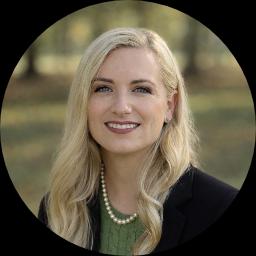
Dr. Sarah Kinsch is a licensed professional counselor with a Doctorate in Psychology and a Master’s in Clinical Therapy. She brings ten years of clinical experience and a down-to-earth approach for people taking their first steps into therapy. Her style aims to reduce pressure and make conversations feel natural and human.
Sarah focuses on stress, anxiety, and intimacy-related concerns. She also helps with self-esteem, grief, coping with life changes, and compassion fatigue. People have sought her support for bipolar-related issues and challenges linked to work and relationships.
Her work draws on Client-Centered Therapy, which centers the conversation on each person’s own experience. She also uses techniques from Cognitive Behavioral Therapy and Dialectical Behavior Therapy to help with emotion regulation and practical coping skills. Sessions emphasize listening, reflection, and small, manageable steps forward.
Sarah pays attention to attachment and communication patterns and addresses concerns such as impulsivity, guilt and shame, and issues common to veterans and first responders. She can also support those dealing with personality-related struggles, self-harm urges, and questions about life purpose.
Therapy with Sarah aims to be approachable and flexible for people who feel unsure about starting. The focus is on making therapy less clinical and more conversational, helping people build tools they can use day to day.
How her approaches translate to online support
Client-Centered Therapy focuses on the person in the room. It means the therapist listens closely and follows the client’s lead, helping people say what matters most to them and find their own answers. Cognitive Behavioral Therapy, or CBT, looks at unhelpful thoughts and behaviors and teaches simple skills to change patterns that cause distress. Dialectical Behavior Therapy, or DBT, adds tools for managing intense emotions and improving coping when feelings feel overwhelming.Picking the right approach is a team effort. The therapist works with each person to decide which methods fit their goals and preferences. That process can change over time as needs and priorities shift, and sessions adapt accordingly.
The biography highlights messaging as a way Sarah often connects because it can feel less pressure than a full video session. If you prefer other session options, confirm the current formats before booking so you know what’s available. Online work can make it easier to fit therapy into a busy life, support shorter check-ins, and allow different ways to communicate when weekly video feels like too much. Licensed professionals can tailor methods to your schedule and stage of readiness.
Areas of expertise
Primary focus
Also works with
Additional focus areas
Therapeutic approaches
Experience
10+ years
Listed in
Pennsylvania
Languages
English
Frequently asked questions
What concerns does she address?
She supports people with stress, anxiety, intimacy issues, self-esteem, grief, compassion fatigue, and bipolar-related concerns, among other areas.
How would you describe her therapeutic style?
Her style is conversational and person-focused, using Client-Centered Therapy alongside practical CBT and DBT techniques when helpful.
What kind of experience does she have?
She has ten years of experience working in clinical settings and with people beginning therapy.
What are her credentials and where is she based?
She holds the LPC credential and practices from Pennsylvania.
Can sessions be conducted in other languages or internationally?
Sessions are offered in English and she is not accepting international clients at this time.
What session formats are available?
The original biography emphasizes messaging as a primary way she works, but please confirm current session options before booking.
How are fees handled?
Cost varies with location and therapist availability, and sessions use a subscription that can be canceled at any time.
How do I begin the process?
Click the Start Therapy button, complete a short matching questionnaire, and schedule according to therapist availability.
Online talk therapy is not emergency care. If you are in danger, use the crisis numbers.