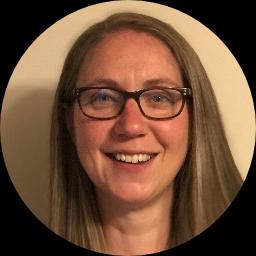
About Rachael
Rachael Moss is a counsellor in the United Kingdom with three years of experience. She works with people facing stress, anxiety, grief and low mood. Rachael also supports clients struggling with self-esteem, motivation and compassion fatigue.
Rachael practices with a core of Client-Centred Therapy. She tailors each session to the person in front of her and draws on other approaches when useful. These can include cognitive behavioural techniques, psychodynamic ideas and solution-focused strategies to meet practical goals.
Her style is warm and welcoming. Sessions aim to feel like a calm, non-judgemental space where people can talk about what is worrying them. Rachael listens with respect and responds with empathy and gentle challenge when it helps.
She helps people notice strengths they already have and take small steps towards change. Conversations can cover attachment concerns, guilt and shame, isolation and questions about life purpose. Rachael also supports people through pregnancy and childbirth related worries and social anxiety.
Taking the first step can feel hard. Rachael offers steady support while clients set the pace and priorities for therapy. She encourages practical next steps as well as reflecting on longer term patterns.
How Rachael uses talking therapies online
Client-Centred Therapy places the person at the heart of the work and focuses on being heard, understood and accepted. It helps when someone needs space to process emotions, build self-worth and make choices that feel right for them. Cognitive Behavioural Therapy, or CBT, looks at the links between thoughts, feelings and behaviours and uses practical exercises to reduce anxiety, manage mood and change unhelpful patterns.Choosing the right approach is part of the process. Rachael will work collaboratively to decide which methods fit a person's goals and preferences, and may combine ideas from different approaches as therapy progresses. The emphasis is on what helps the individual feel clearer and able to take next steps.
Online counselling can make it easier to fit sessions into a busy life, for example by removing travel time and allowing meetings during a break from work. Some people prefer shorter check-ins or audio-only conversations when they do not want to be on camera. Please confirm the current session options before booking so arrangements match what you need.
Areas of expertise
Additional focus areas
Therapeutic approaches
Experience
3+ years
Listed in
United Kingdom
Languages
English
Frequently asked questions
What kinds of concerns does this counsellor address?
Rachael works with stress, anxiety, grief, self-esteem issues and depression. She also focuses on compassion fatigue and related concerns such as attachment, guilt and isolation.
What is Rachael's therapeutic style?
Her sessions are described as warm and welcoming with a client-centred core. She listens with empathy and adapts methods to meet each person's needs.
How much experience does she have?
She has three years of experience working as a counsellor in the UK.
What credentials and location are listed?
Rachael holds NCPS as a credential and is based in the United Kingdom.
Which languages are sessions offered in?
Sessions are offered in English.
Can people outside the UK work with her?
International clients are not currently accepted.
How are sessions paid for and what do they cost?
Cost varies with location and therapist arrangements; sessions are provided through a subscription that can be cancelled at any time.
How do I start working with Rachael?
Click the Start Therapy button, complete a short matching questionnaire, and then schedule sessions according to the therapist's availability.
Online talk therapy is not emergency care. If you are in danger, use the crisis numbers.