- Client-centered approach
- Focus on relationships
- Practical coping skills
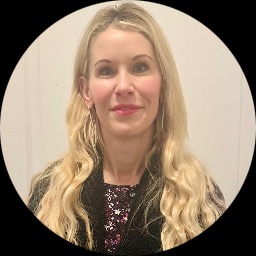
About Laurie
Laurie Lasner is a Utah psychologist with twenty years of clinical experience helping people manage depression, anxiety, stress, and relationship concerns. She focuses on clear, compassionate work that helps people feel steadier and more able to cope with life changes.
Her practice centers on client-centered therapy, which means sessions follow the person’s pace and priorities. Laurie combines that approach with tools from cognitive behavioral and attachment-based work to address troubling thoughts, patterns in relationships, and feelings of isolation.
She often helps people who are sorting through communication problems, caregiving stress, divorce and separation, or family of origin issues. Laurie also supports clients who want to build self-love, regain a sense of life purpose, or manage mood disorders and ongoing anxiety.
In sessions she aims for plain language and practical steps. Conversations include noticing unhelpful thinking, trying small changes in behavior, and looking at how early attachments shape current relationships. The goal is steady progress rather than quick fixes.
Laurie brings a respectful, nonjudgmental presence to therapy. People work together to identify goals, practice new ways of relating, and build resilience over time.
How Laurie’s approaches translate to online work
Laurie combines client-centered therapy with attachment-based ideas and cognitive behavioral tools to guide online work. Client-centered therapy focuses on following the client’s lead, listening closely, and shaping sessions around what matters most. Attachment-based work looks at patterns from early relationships and how they show up now in trust, closeness, and communication. Cognitive behavioral techniques help identify unhelpful thoughts and try small behavior changes to reduce anxiety and low mood.Deciding which approach to use is a collaborative process. Laurie will talk with each person about their goals and try methods that fit those needs. Together they adjust pace and focus over time so the work feels useful and relevant.
If you are considering online sessions, confirm the specific session options before booking. Online work can make it easier to fit therapy into a busy week, allow shorter check-ins when needed, and avoid travel time. It also supports steady continuity of care when life gets hectic, while keeping the focus on building coping skills, clearer communication, and stronger emotional understanding.
Areas of expertise
Primary focus
Additional focus areas
Therapeutic approaches
Experience
20+ years
Listed in
Utah
Languages
English
Frequently asked questions
What kinds of concerns does Laurie address?
She works with stress, anxiety, depression, self-esteem, and relationship concerns, plus related areas like caregiving stress, isolation, and life purpose.
What is her therapeutic style like?
Her work is client-centered, meaning sessions follow the client’s priorities while using practical techniques to change unhelpful thoughts and patterns.
How much clinical experience does she have?
Laurie has twenty years of clinical experience supporting people through emotional challenges and life transitions.
What are her credentials and where is she based?
She is licensed as UT Psychologist 14223399-2501 and practices in Utah.
Which languages are supported for sessions?
Sessions are offered in English.
Can international clients work with her?
International clients are not currently accepted.
How are costs handled for sessions?
Cost varies with location and therapist availability; sessions use a subscription that can be canceled at any time.
What are the first steps to begin working together?
Use the Start Therapy button, complete a short matching questionnaire, and schedule according to therapist availability.
Online talk therapy is not emergency care. If you are in danger, use the crisis numbers.