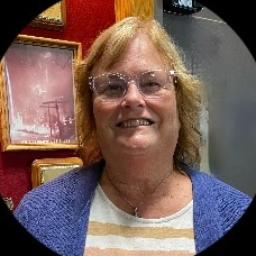
- Client-centered approach
- 13 years experience
- Supports grief and anxiety
About Cynthia
Cynthia Anders is a licensed professional counselor who focuses on listening and responding to each person’s needs. She uses a client-centered approach that puts the person’s own goals at the center of sessions. Cynthia works with common struggles like stress, anxiety, grief, low self-esteem, depression, and life transitions.
She has 13 years of practice in Missouri and brings a calm, respectful style to conversations. Cynthia adapts how she talks and plans work to fit what a person says they need. Sessions are meant to feel practical and straightforward rather than overwhelming.
Cynthia draws on several ways of working when helpful. Cognitive Behavioral Therapy helps people notice and change unhelpful thinking and behavior patterns. Psychodynamic ideas can uncover long-standing patterns that influence current feelings. Trauma-focused approaches are used when past events continue to cause distress.
Her client-centered stance means the person’s view drives choices about goals and techniques. Cynthia balances listening with offering tools and perspective. She aims to help people build coping skills and clearer self-understanding so daily life feels more manageable.
Starting therapy can feel hard, and Cynthia acknowledges that first step. She works to create a respectful, sensitive space for honest conversation and practical progress.
How client-centered work and practical approaches translate online
Client-centered therapy places the person’s goals and perspective first, with the therapist following the lead of the discussion and adapting to what matters most. Cognitive Behavioral Therapy (CBT) gives clear tools to spot and change unhelpful thoughts and behaviors, which can be practiced between sessions to handle anxiety and low mood. Trauma-focused approaches target ways past events still affect daily life and introduce techniques to reduce their emotional hold.Choosing the right approach is part of the work together. The therapist will discuss goals, try approaches that fit, and adjust methods based on what the person finds most helpful. This is a collaborative process where the person’s needs and preferences guide decisions.
The original biography did not list specific online session formats, so please confirm current session options before booking. Many people find online sessions helpful because they can fit appointments more easily into a busy day, avoid travel time, and use shorter check-ins when schedules are tight. Online work also makes it simpler to continue care across locations. A therapist and client can try different rhythms and session styles until they find what works best.
Areas of expertise
Therapeutic approaches
Experience
13+ years
Listed in
Missouri
Languages
English
Frequently asked questions
What concerns does Cynthia help with?
Cynthia supports people managing stress, anxiety, grief, self-esteem issues, depression, and coping with life changes.
What is her therapy style like?
She follows a client-centered approach that prioritizes the person’s goals, combined with practical techniques from CBT and trauma-focused work when appropriate.
How many years has she been practicing?
Cynthia has 13 years of professional experience working with people on the concerns listed above.
What credentials and location are listed?
She holds an LPC credential - Licensed Professional Counselor - and practices in Missouri.
Does she offer sessions in other languages or to international clients?
Sessions are offered in English, and she does accept international clients.
Which session formats are used?
The original biography does not list specific session formats; please confirm current session options before booking.
How does billing and cost work?
Cost varies with location and therapist availability; sessions use a subscription that can be canceled at any time.
What should I do to begin?
Select the Start Therapy button, complete a short matching questionnaire, and schedule according to therapist availability.
Online talk therapy is not emergency care. If you are in danger, use the crisis numbers.